





















Picture this: you have been completely cut off from the internet for nearly three months. You haven’t heard from your friends and family in days and aren’t even sure if they are still alive. Each day you show up to work, you see one less familiar face. Each night, you return home to an empty neighborhood — your neighbors have disappeared, and you wonder if you’re next. As you walk through the deserted streets of your hometown and pass by the burned-down markets and the stores no one can afford to shop at, you find yourself enraged with your government and take to the streets among millions of others, day after day, protesting for both your rights and your children’s futures. You are fearful of being killed for speaking out, but not enough to stop and live another day of a life that doesn’t belong to you. This is Iran.
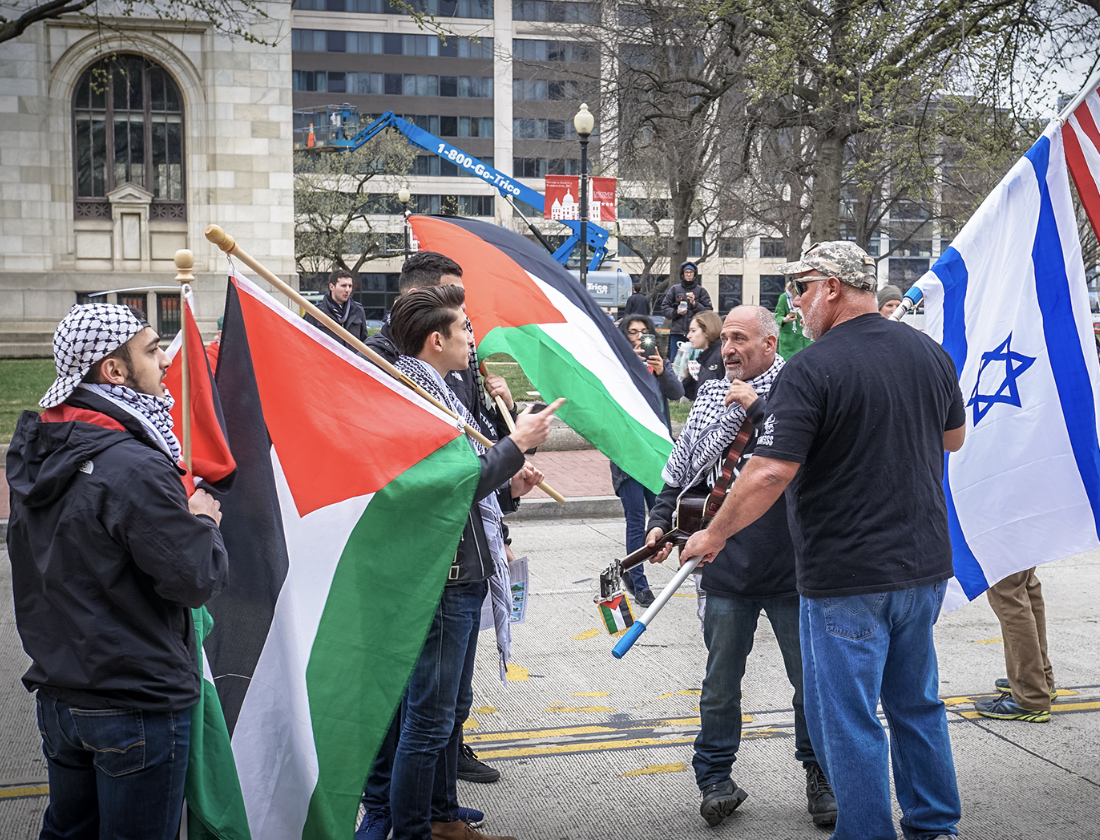
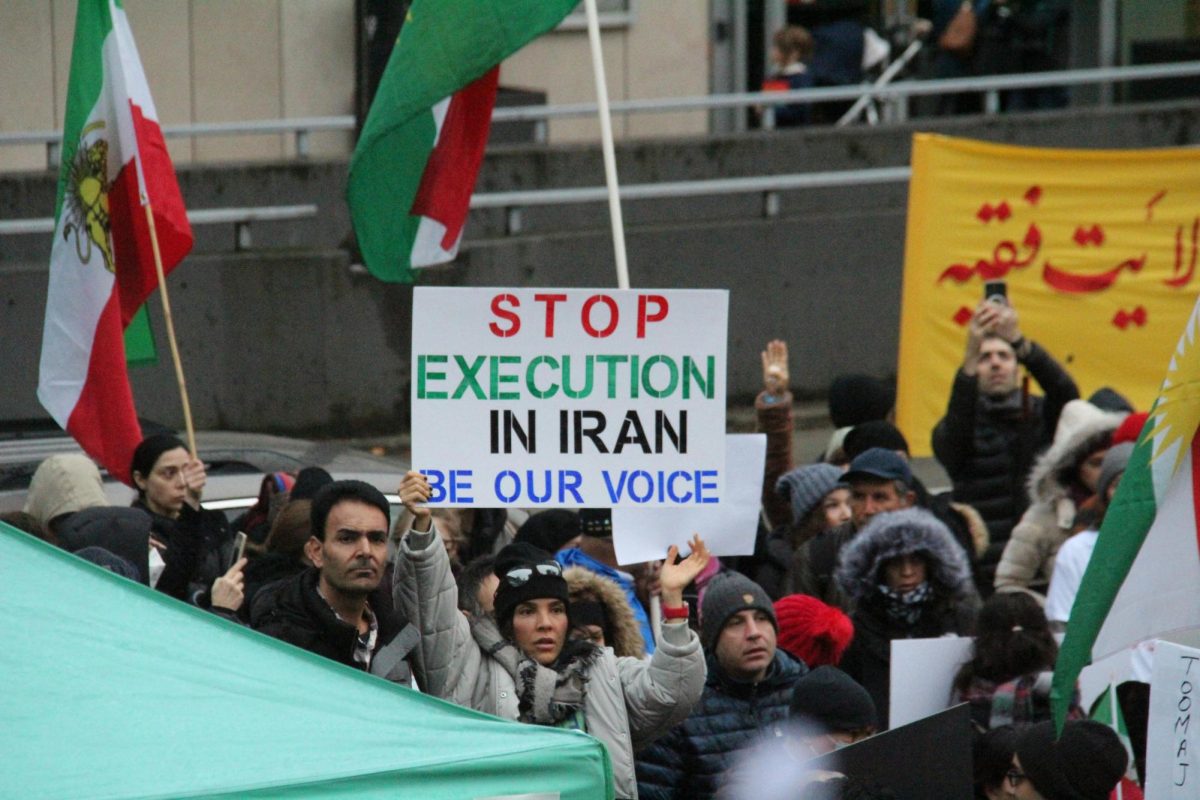
On January 8, 2026, the Islamic regime in Iran cut off the internet for 93 million citizens in response to the nationwide protests that were sparked by the increasingly diminishing value of the Iranian rial, leading to the mass murders and arrests of thousands of civilians. As citizens of a nation in which we have the freedom of speech, assembly, and protest, we must speak up for those who can’t and educate ourselves on international crises.
These most recent protests in Iran began on December 28, 2025 in response to the collapse of the economy, according to AP News. As of February 19, 2026, one US dollar equates to 1.63 million Iranian rial, making it one of the weakest currencies to date, according to The Economic Times. Since February of 2025, the rial has dropped in value by about 75%, sparking nationwide uprisings heading into 2026, the article furthered.
While these protests were largely sparked by the recent economic crisis, many Iranians have been fed up with the Islamic regime and their influence in Iran for many years, according to Politico. These protests have shifted their focus to the true root of the problem: Supreme Leader Ayatollah Ali Khamenei and his oppressive leadership. Under his rule, Iranians have been forced into Shia law, a strict law based on the extreme ideologies rooted in Islamic religion. Women have experienced the harshest treatments from both the government and men (who the law gives more privileges to) with over 600 women arrested in Iran in 2024 for refusing to wear a mandatory hijab, and violence, including murder and rape, increasing by 60% in the last two years, said Iran International.
Since the beginning of the protests, according to The Guardian, many Iranians who took to the streets in the form of peaceful assembly towards the end of 2025 were met with extreme brutality from the regime’s Morality Police (the regime’s police who enforce Shia Law). Many were shot in the streets, left for dead, and even those who had survived the gunshots were reluctant to seek aid from hospitals, fearing they might be identified. Those who were identified in hospitals were later arrested and executed, says The Guardian.
At least 40,000 Iranians have been killed, according to Iranian Politician and Activist Maryam Rajavi, by the Regime in the span of two months, January and February. Most of the murders happened over the span of 48 hours, said Iran International. Additionally, over 40,000 Iranians* have been imprisoned and thousands officially reported missing, according to news outlet Article 19.
On February 28, 2026, foreign interference arrived in Iran, as the U.S. and Israel launched a targeted attack on Iran’s military bases, killing the Supreme Leader Ali Khamenei and Key Advisor and Major General Ali Shamkhani, among other leaders, according to CNN. That day, thousands of Iranians flooded the streets all over the world celebrating the death of Khamenei after 36 years under his oppressive leadership.
As an Iranian-American who has grown up in a family of Iranian immigrants, I do not find myself supporting wars that have led and will continue to lead to the deaths of civilians. Within a day of the first strikes in Iran, an all girls elementary school was reportedly hit by a U.S. tomahawk missile with 175 confirmed deaths, 118 of them schoolgirls, according to The New York Times and CNN. On the other hand though, it is important to note the fact that millions of Iranians had been begging for foreign intervention and freedom from the regime, speaking volumes to the horrific oppression that has existed in Iran.
As days have passed since the first strike, landmarks including Tehran’s domestic airport have also been hit, killing hundreds more civilians. As I continue to read the news, I find myself deeply saddened by this tragedy of war — I fear there will soon be nothing left of Tehran and its culture. Yes, the former Supreme Leader is dead, but at what cost? The Iranians asked for foreign aid; they did not ask for a war in their backyard.
The Islamic regime is one of the highest funders of international terrorist groups, and by supporting the people in helping overthrow the regime, the funding for terrorism would significantly decrease and thus become a lesser threat to every country, especially the U.S., according to the United States Department of State. Additionally, as Polygon News Editor Sasha Londoner ’27 said, “The U.S. is investing tax payer dollars into foreign involvement in Iran, so it directly impacts the lives of every citizen. Not to mention that statistics prove when we have more securitization abroad, that directly leads to domestic securitization.” More than this, thousands of Iranians have been risking their lives for freedom and a life where they decide how to live it, and it is only right that we support them, too.
Staying silent with the excuse that you aren’t sure where to stand is no excuse. This crisis is extremely simple: a murderous regime versus 93 million innocent people, and now, a war that aims to destroy a beautiful country.
War is not the correct answer. Iranians have been brutally murdered by their own government for wanting human rights and these same people are currently being bombarded by foreign missiles. However, if this is the only way to end the reign of the Islamic regime, then we must speak up and support the people and their needs.
All over Iran, there are young teenagers just like you, your children, your cousins and your friends who are risking their lives on a daily basis. This is no longer a revolution happening within a country; this is now a war for the freedom of millions of people. As a community that constantly enforces the notion of belonging and equality, let’s try to expand our commitments to beyond our gates. If they can face brutality from their government and protest in streets that are polluted with gunfire and explosions, then you can protest from the comfort of your home.
Masoume Khonsari ’27 said that many Americans “won’t take the [Iranian] people seriously when seeing the government as the people. There [needs to be] that separation.” I agree, especially since Iranians have been underrepresented in the U.S. and most Americans don’t know much about the history of Iran and its politics. That being said, the first thing you can do is learn to separate the government from its people. The government funds terrorist organizations, not the people. The second thing you can do is read the news. Educate yourself and learn about the crisis and why it’s happening.
The third step is to use social media to spread awareness. In the U.S., we have 24/7 access to the internet. You are on your phone for hours; it takes seconds to post a story on any social media platform. Use your voice and stand with the people of Iran as they continue their fight for freedom.