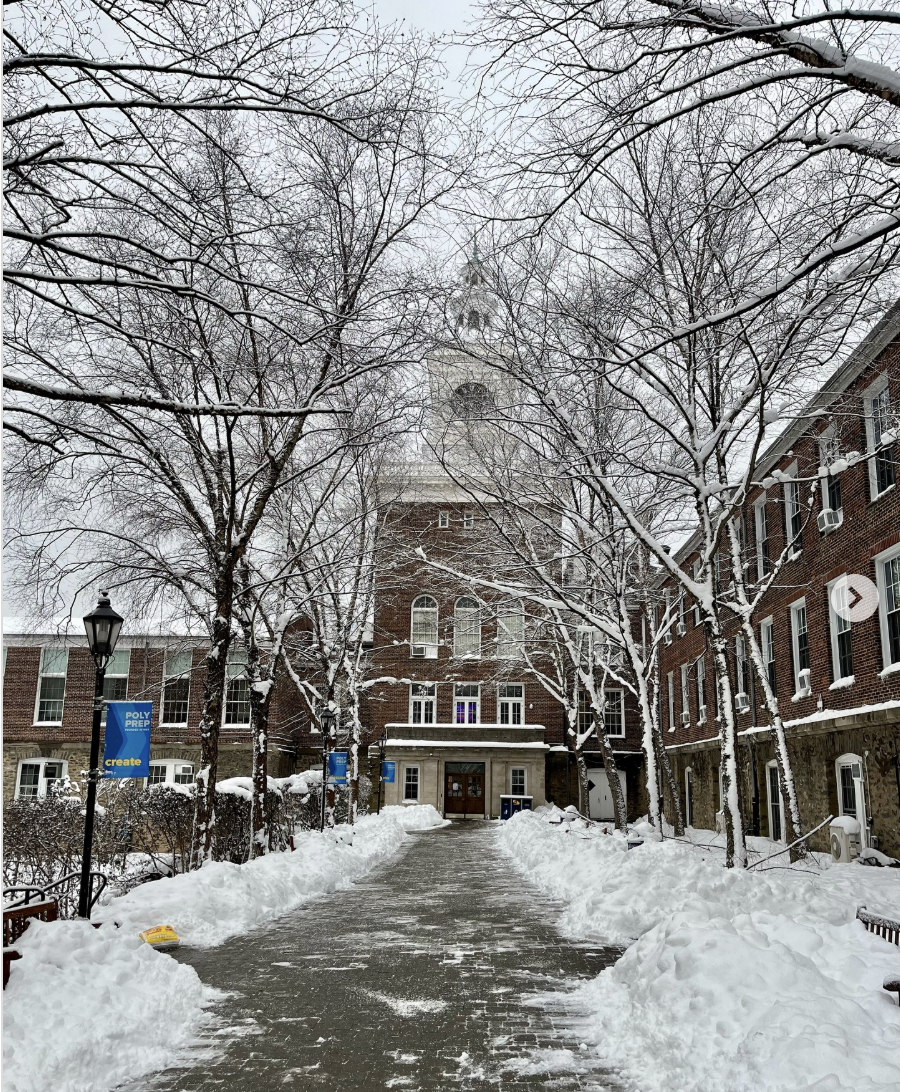
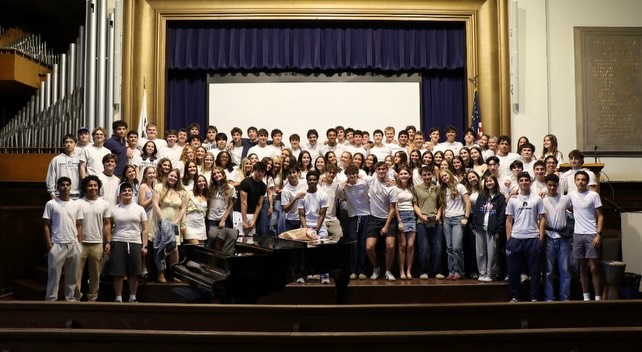
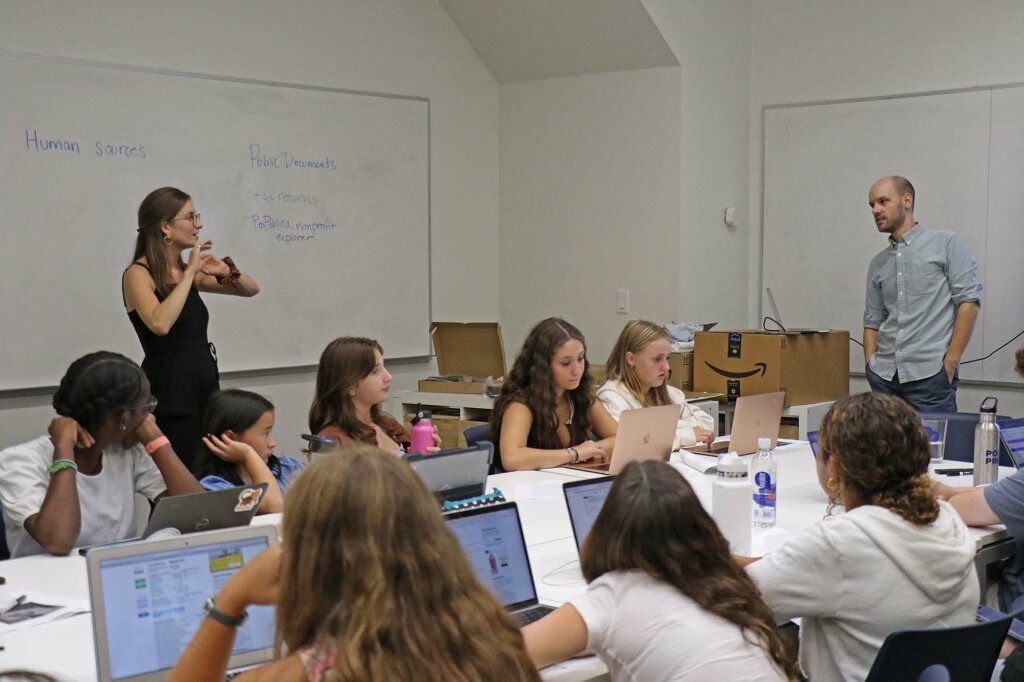
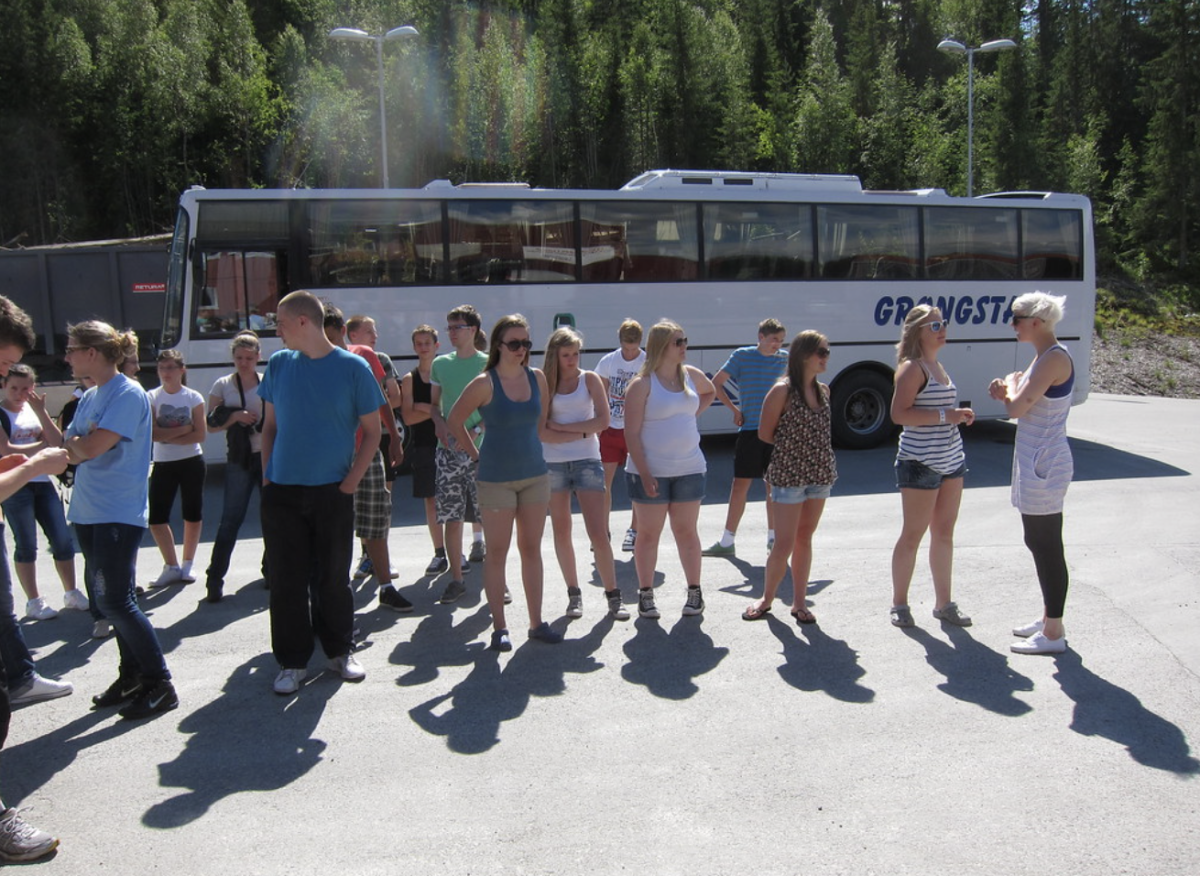









Long before they stood at the front of the classroom, diagramming math problems, unpacking history, or decoding the brain, our teachers were just kids learning from places they cherished or called home. The neighborhoods, cultures and communities they grew up in did more than just surround them. They helped form the perspectives and values that still influence how they think, teach and connect with students today. Whether those places were across the world, in other states, or right here in New York City, each one left a lasting imprint, shaping not only who they are, but how they understand others. At Poly Prep, teachers bring more than subject knowledge into the classroom. They carry lived experiences rooted in the environments that raised them. From city blocks that have changed over time, to close knit towns filled with familiar faces, to countries defined by entirely different cultural values, these backgrounds shape the way they see the world. In reflecting on the places they grew up or still call home, Poly teachers reveal how environment influences identity and how those early experiences continue to guide the way they teach and engage with the students in front of them.
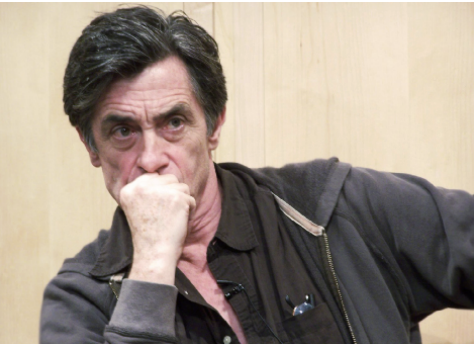
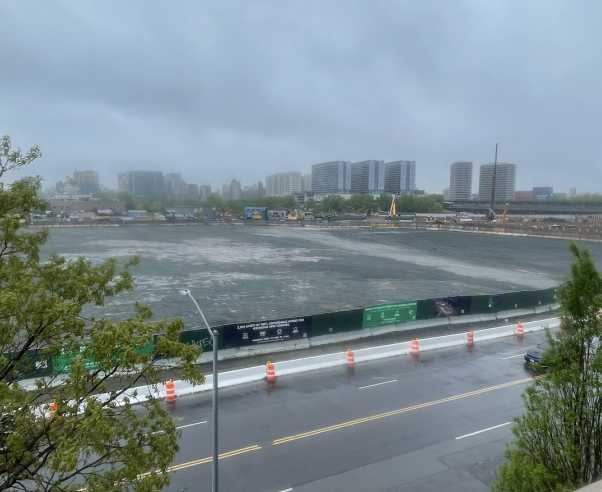
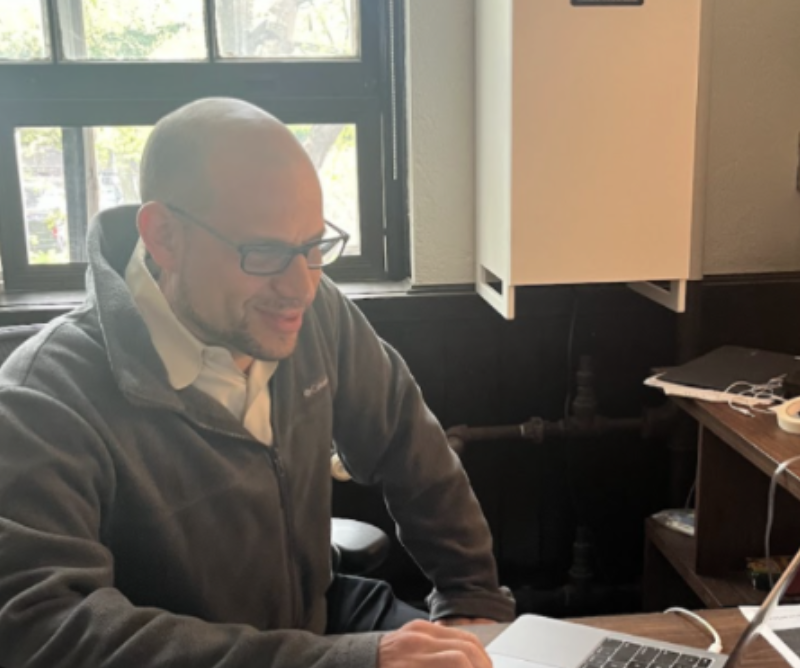
For Richard Nolan, Mathematics Faculty and Crew Coach, that imprint comes from Windsor Terrace, Brooklyn. His childhood was defined by movement through the neighborhood, where the streets, schoolyards and parks became the structure of everyday life. The rhythm of the seasons shaped how time was spent, and the neighborhood itself functioned as both a playground and community. Certain places anchored his experience greater than others. “There was always a candy store that you could hang out in, you could just talk to people freely,” he said, describing a kind of everyday connection that feels increasingly rare. He also remembers seeing his first move at the Saunders Theatre (now Nighthawk) on Saturday afternoons, moments that reflect a slower, more communal version of growing up in New York City.
Even now, this same connection still remains. Nolan still returns to his childhood neighborhood and finds that “every now and then you’ll run into somebody from the old neighborhood,” holding onto a sense of continuity in a place that otherwise changed. But that change is impossible to ignore. What was once familiar has been reshaped, and with it, parts of the community that defined it have faded. While he admits “gentrification is not great,” he also understands its complexity, noting that it can be “a lot better than it going the other way.” Still, Nolan notes that it “disappoints him” when students can’t identify places in their own city, emphasizing that New York is not just somewhere you live, but something you should understand and appreciate. Looking back, he admits there were moments when he wished for something different, “a big backyard” and “the quiet of the suburbs.” But over time, that feeling shifted. Being part of New York City, watching it change and grow up alongside you, you learn to love a place that is loud, alive, and always giving you a feeling of joy that’s irreplaceable. “You can only grow up once,” he states, “especially here in New York City.” His message is clear: as the city evolves, what matters is not just how it changes, but whether people take the time to recognize what is being lost and to cherish what remains. Because as neighborhoods evolve and gentrification reshapes them, what matters isn’t the change itself, but having lived through it and understood it, learning the value of a place that can’t be replaced.
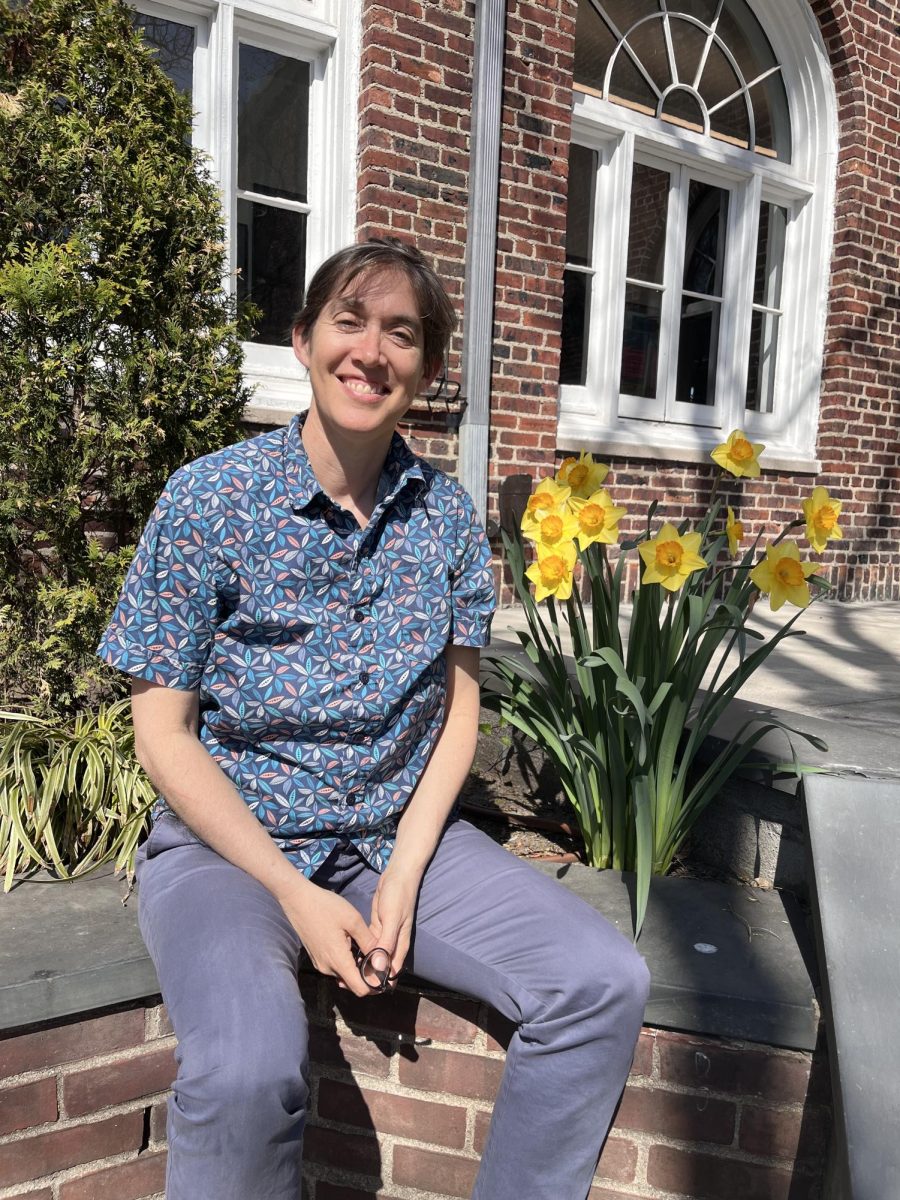
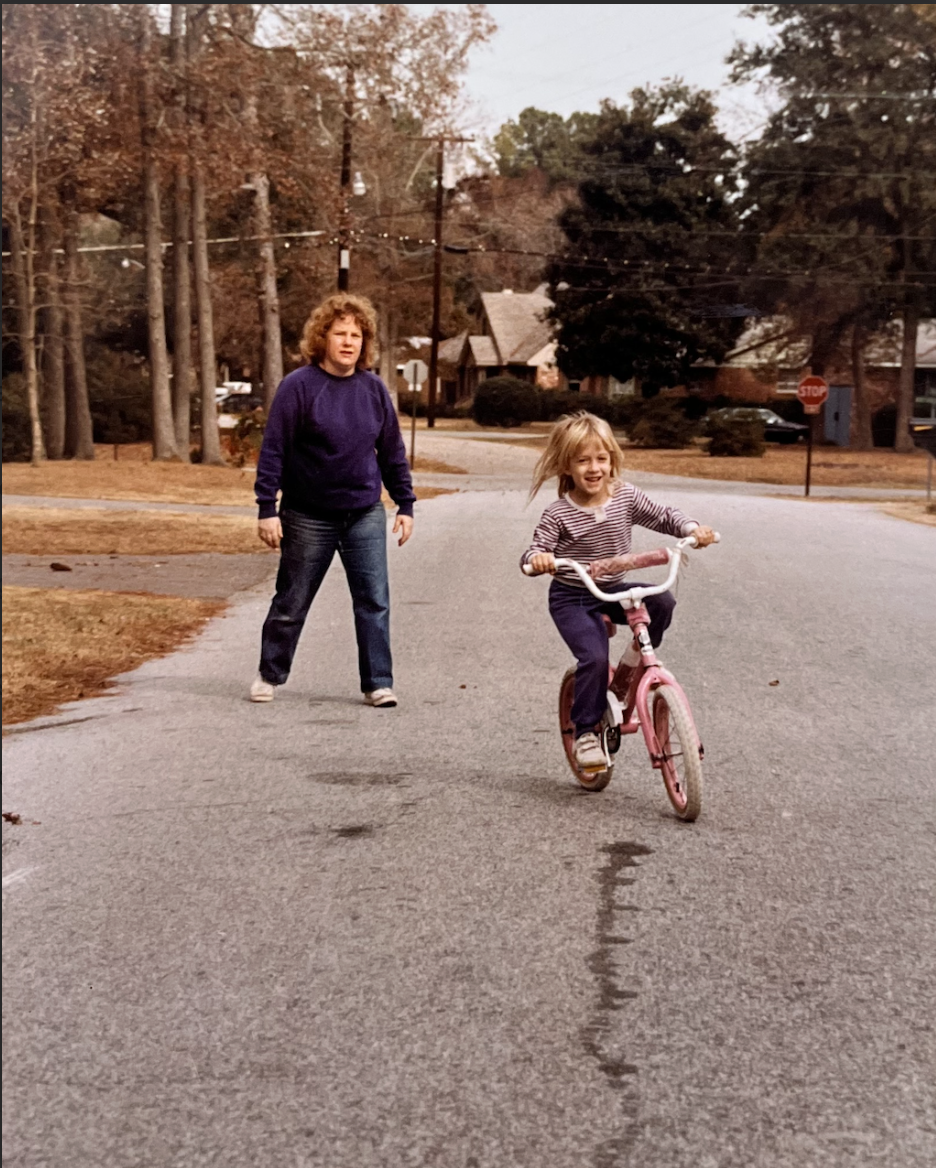
Nolan’s story is rooted in the movement and energy of a dense city, while Virginia Dillon’s begins in a slower, more expansive landscape of Charleston, South Carolina. Dillon grew up in West Ashley, a place she describes as “a lovely neighborhood off a main road, but with streets that we could bike around,”. It was a postwar neighborhood of “ranch houses… just one floor and long,” where property lines blurred into one another, marked less by fences and more by “azalea bushes and pine trees,” creating a sense of quiet connection between homes. That environment shaped not just how she spent her time, but how she understood the place itself. She remembers biking across small bridges and through winding streets where “everything felt so far.” d. Years later, returning during COVID with her own children, she retraced those same paths and realized “they weren’t as far as [she] remembered.” The geography hadn’t changed, but her perspective had. Beyond the landscape, it was Charleston’s history that left one of the strongest impressions on her. Growing up in a place where “history is right there… you don’t have to dig that deep,” she was constantly surrounded by stories tied to buildings, spaces, and people. That proximity shaped not only how she saw the world, but what she chose to study. With “two parents who loved history” and a city where the past was always visible, her interest in history became something lived rather than abstract, ultimately guiding her toward becoming a history teacher today. Dillion says that the city is “a place where you are always surrounded by history,” but also ones that are marked by “really complicated perspectives,” filled with “lots of different stories” that cannot be reduced to a single narrative. She also notes that while some people may have “a specific understanding of what the South is,” the reality is, “it’s more complicated… it’s as complicated as anywhere else.” For Dillon, Charleston represents both beauty and contradiction, a place that is “wonderful and weird,” resisting the oversimplified images often portrayed from the outside. In the classroom, this perspective becomes central. Dillon doesn’t just teach history as a set of facts, but as something layered, lived, and open to interpretation. Her experience growing up surrounded by visible history and competing narratives allows her to push students to “sort of listen, but still think,” to take in different stories while using their own judgement.
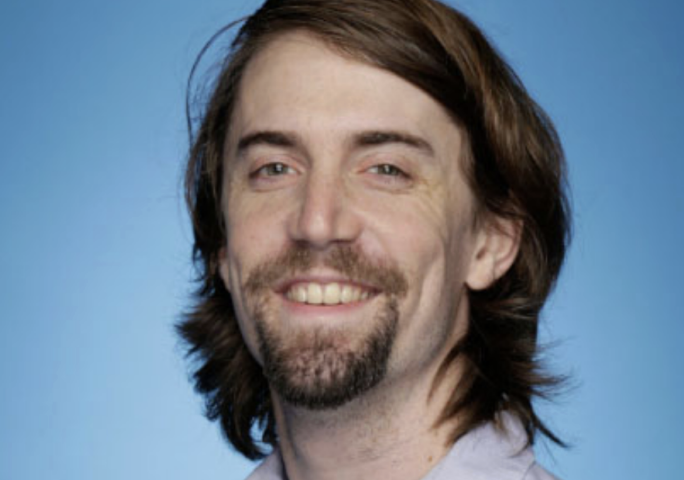
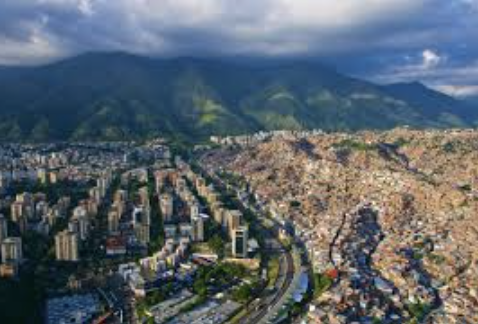
While Dillon describes a connection rooted in landscape and history, Ronald Sarcos’ sense of home is layered and unsettled, formed across countries and cultures rather than within a single one. As a psychology teacher at Poly, his story pushes the idea of belonging even further, shifting it away from a fixed place and toward something shaped by constant movement, memory and change. Though he was born in Arkansas, Sarcos moved to Maracaibo, Venezuela, where his family is from, at a young age, which is “where [he] considers [he] grew up.” Yet even there, he remembers feeling “always like the outsider.”This sense of being in-between didn’t disappear with time. When he returned to the United States for graduate school, arriving in New York knowing “not one single person,” the city felt “overstimulating and scary,” reinforcing the same disorientation he had experienced years earlier. And yet, when he thinks about home, his memory settles not on a country but on a specific place, his grandmother’s house on the outskirts of Maracaibo, which he describes as “sitting on what was once an American and Dutch oil field.” More than its location, the house mattered because of what it held. It became a gathering place where “cousins from all parts of Venezuela” would come together for holidays, creating what he identifies as some of his “most cherished memories” from his childhood there.
Sarcos explains that in Venezuela, people are taught to “sacrifice your needs for the needs of the group… for your friends, for your family,” a mindset that prioritizes collective well being over individual independence. In practice, that meant a version of closeness that contrasts sharply with American norms, where, as he puts it, there is no idea of separating yourself because “there’s no such thing as ‘you’ll just get a hotel,’” since family means staying together, sharing space, and existing as a unit. Still, returning to Venezuela now brings a different kind of tension. After over a decade away and amid ongoing political and economic stability, he questions whether the place he remembers still exists, admitting that he “doesn’t think he had one friend left” there, a quiet but powerful indication of how displacement reshapes not only geography but relationships. The question of home, for him, is no longer simple.
What remains constant, however, is perspective. Having lived between cultures, he understands migration not as a disruption but as a necessity shaped by circumstance and hope, much like his own journey and his mother’s decision to pursue her PhD abroad. Because of that, he pushes back against narratives often attached to immigrants in the media, expressing that people should understand that Venezuelans are “always about family and the needs of others,” not what they are often reduced to in public discourse. He describes Venezuelans as “extremely generous, self sacrificing and supportive,” noting that these qualities are consistently overlooked in favor of a narrow and often negative portrayal. In reality, he argues, “it’s so different from that view that the media here portrays,” pointing instead to a culture where people “care for the other,” “respect [their] elders,” and “have great wisdom,” values that define everyday life far more than any stereotype.
Ultimately, his story reframes the conversation around migration. People don’t leave in search of something harmful or destructive. Like him and his family, they made the decision to leave in search of something better, driven by the same desire for opportunity, stability and belonging. And in many ways, that same quiet movement exists here too, as people arrive in New York City from different places, different backgrounds, caring pieces of where they came from into the spaces they enter. At Poly, those journeys don’t disappear; they gather, overlap and shape the community itself, reminding us that what makes a place meaningful isn’t just where it is, but who comes to it and what they bring with them.