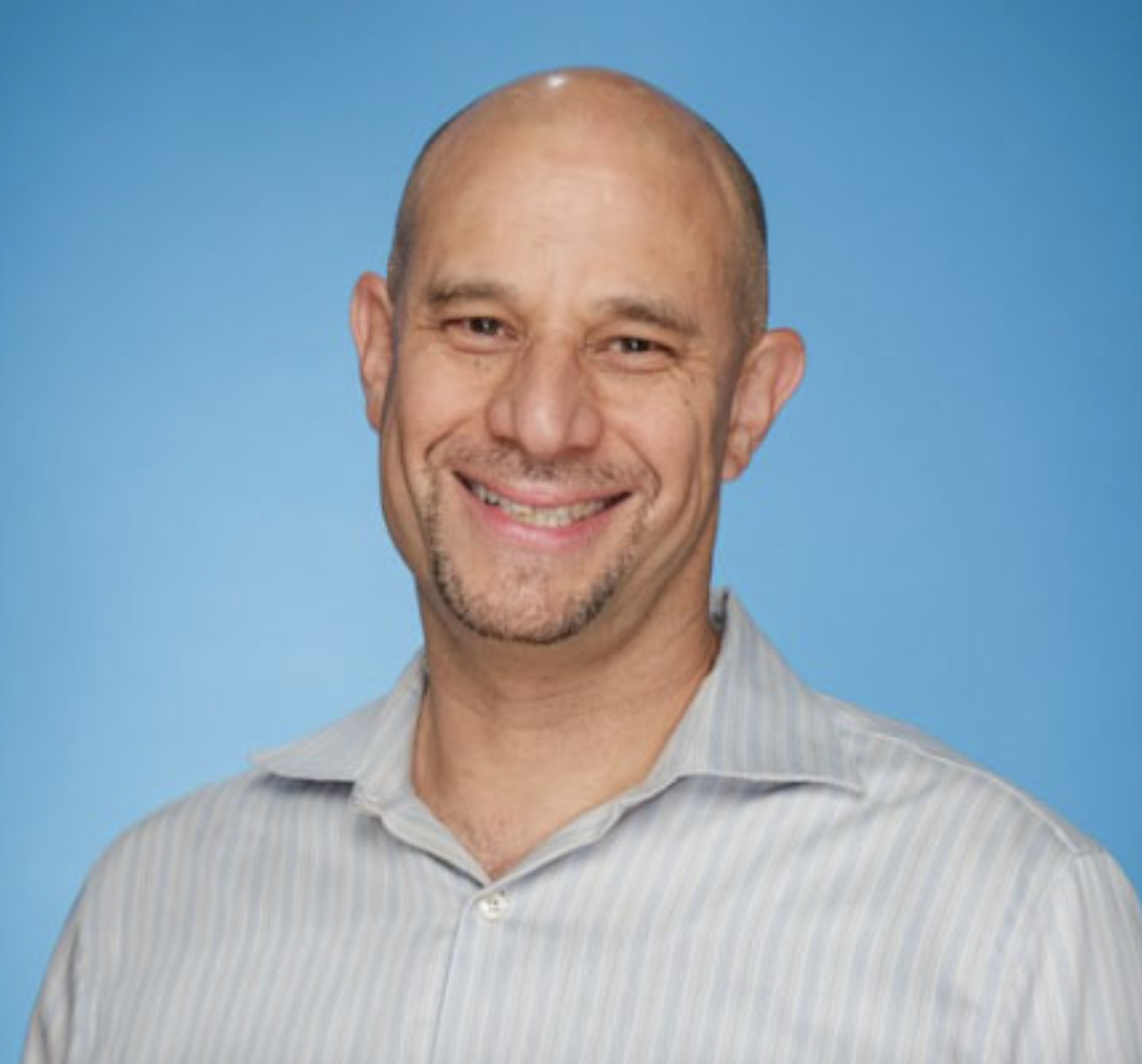











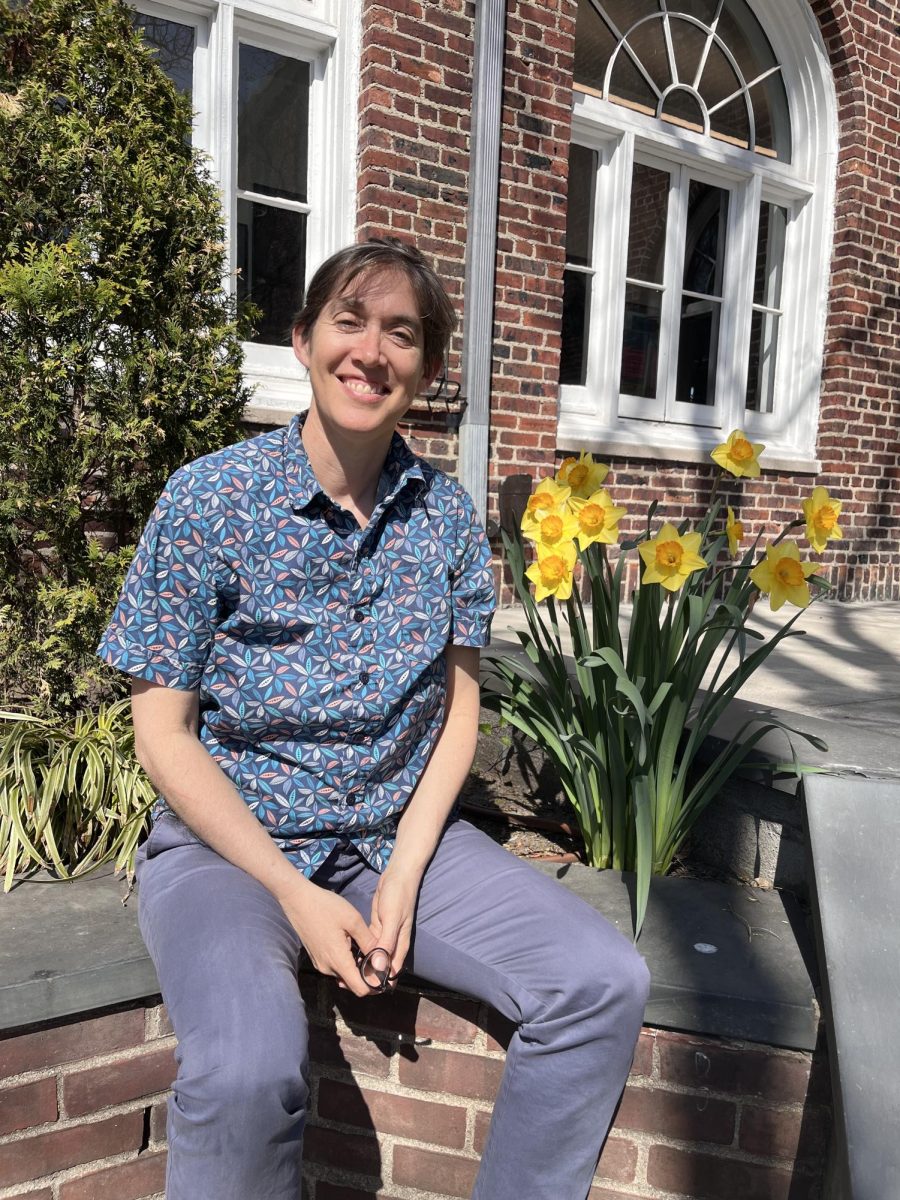





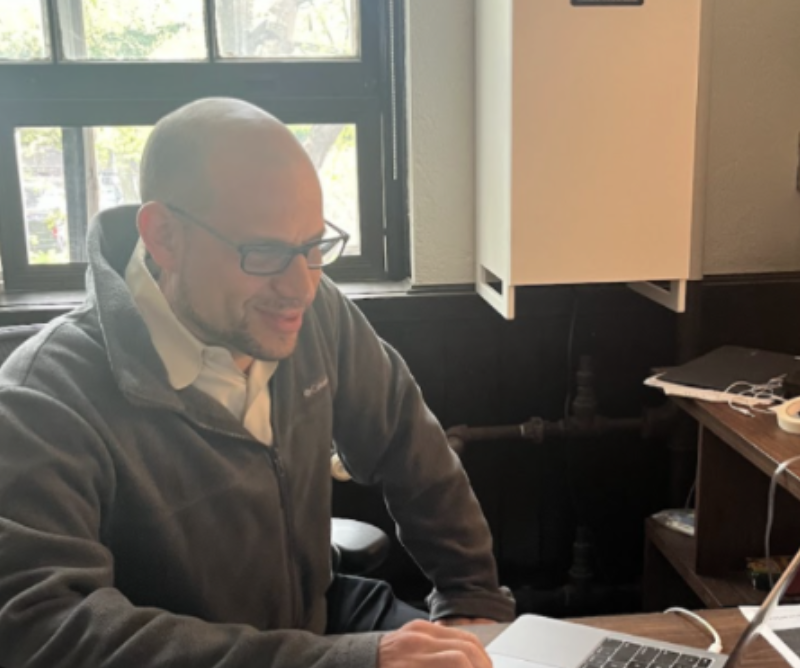

Stephen Bates, Upper School Mathematics Faculty, is a member of the Faculty AI Task Force and created the Student AI Task Force in Fall of 2025 to learn about the student perspective on AI usage and make meaningful changes to the broader Poly AI policy like the new “Stop, Slow, Go” policy. Bates, who started working at Poly as a mathematics teacher in 2017, has had an interest in AI ever since generative AI platforms, such as Chat-GPT went public in 2022. “I’m curious as to how it’s going to affect learning and teaching at the school level, but also about how it’s going to change how our students experience in college and eventually in the workforce,” said Bates.
This past December, four Poly students and two faculty members—Esme Gonzalez ’29, Haixuan Gao ’28, Tobias Petrzela ’27, Kaya Freeman ’26, Math Faculty Linda Russo and Stephen Bates—attended a conference in Texas hosted by the National Association of Independent Schools and the Stanford University Deliberative Democracy Lab. The roundtable’s purpose was to enable students from across the country to learn and discuss how AI is being used in classrooms. Gonzalez, one of the student ambassadors, thought the conference was “full of diverse perspectives” and said, “many people had different experiences based on where they lived and their lived experiences.” Students discussed AI usage in both educational and worldly contexts, gaining a better understanding of AI from professionals. After the conference, NextGen published a report that stated: “These are the young Americans who will feel the greatest impacts of AI as they finish school, enter the workforce, and take their place in society. Thus, it is a vital time for them to consider multiple perspectives on AI-related policy topics and to examine their own view critically.” This conference provided a wider perspective on AI for Bates, who learned “there are some schools that are light years ahead of where we are…and there are other schools that haven’t even begun to touch it, which I think is the scariest part.” Bates continued, saying, “We need to use it cautiously, but recognize that it’s important to teach our students how to use AI responsibly and ethically, where it always has human oversight. Because at the end of the day, we would know best.”
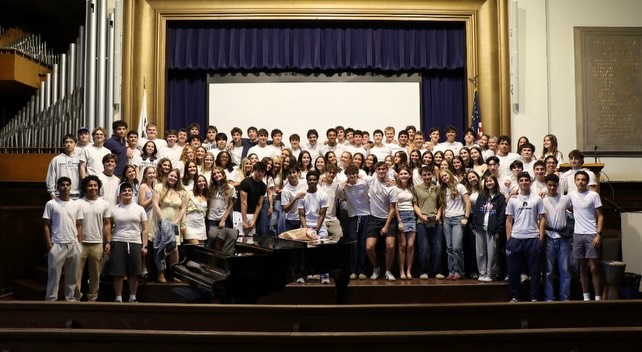
In the AI Task Force, students research how AI is impacting our world and discuss their opinions on its use in school. Member Lauren Pauls ’27 said, “We discuss the bridge between students’ perceptions of AI and teachers’ perceptions.” The group is split into sub-committees of two to four students and cover a range of topics, including “Academic Integrity and responsible AI use” and “Equity, impact, and accessibility in AI tools.” As leader of the Student AI Task Force, Bates helps students with their research and guides some discussions, offering his own perspective and insights. Member Shane Goldberg ’27 said, “With Dr. Bates, it’s very easy for me to communicate [with him] about the use of AI… the conversations are very open, and you’re not being judged… you can be honest.”
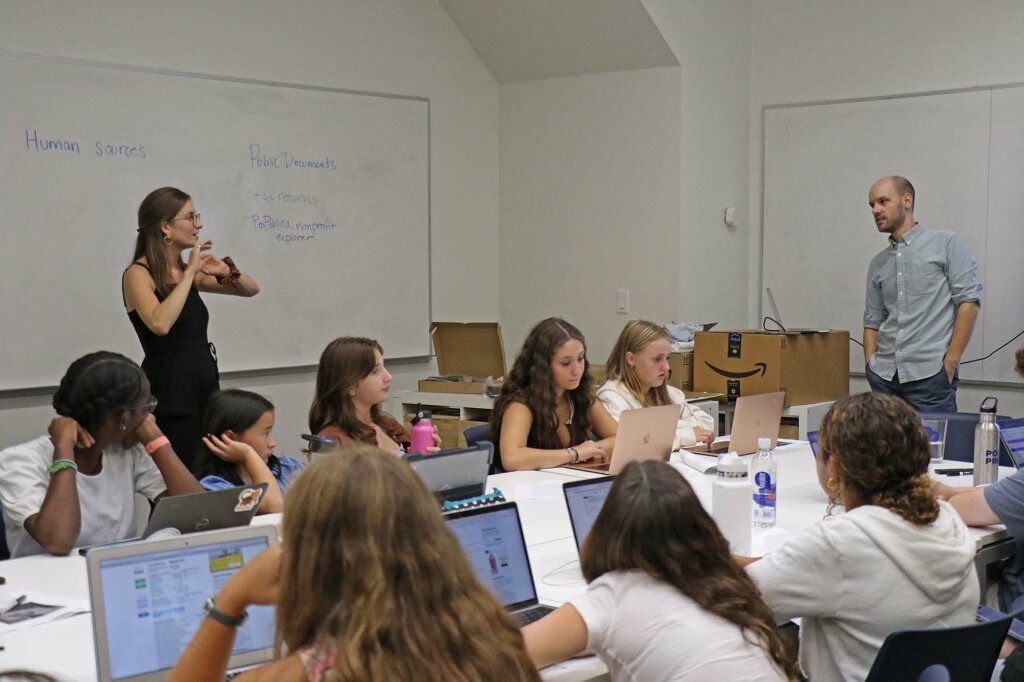
As we learn more about AI, some Poly teachers have begun using it in their classrooms. For Bates’ Accelerated Pre-Calculus class, students will use the Flint AI platform for a project. “AI is going to play the role of expert in a career field that the students get to choose with a partner to interview,” said Bates. Bates wanted to use this project to help his students ensure the information they were learning from the AI tool was factual. “It is going to teach them how to use it responsibly. They also have to go back and fact-check everything that the expert told them to see if what it said was true.”
Elisabeth Mansfield, World Languages Department Chair, and Elijah Sivin, Director of Service Learning and History Faculty, are also members of the Faculty AI Task Force alongside Bates and share their own opinion on the use of AI in schools. “Poly has to be in the reality of 2026 and AI, it’s not something that you can beat, it’s something that you have to keep yourself as knowledgeable and at the forefront of what’s going on so you can become a better teacher,” said Mansfield of why she joined the Faculty AI Council. Sivin continues saying, “There are experts who say, AI represents a threat, even an extinction-level threat, to humanity in a variety of ways. It seems to me that since there was so much money to be made, people are putting aside these risks about things like a jailbreak which is kind of leaving the human intentions and going off and steering in its own direction, that could be harmful to us.”
But as Bates continues to think about the Faculty and Student AI task forces he says, “Faculty are are a little more cautious in using AI, because we are seeing what the effects of AI use is doing to the younger generations, for students, from what I’ve gathered. Many of them are using it as replacements for learning and taking shortcuts that are ultimately not helping them to learn, which is the whole point of school.”