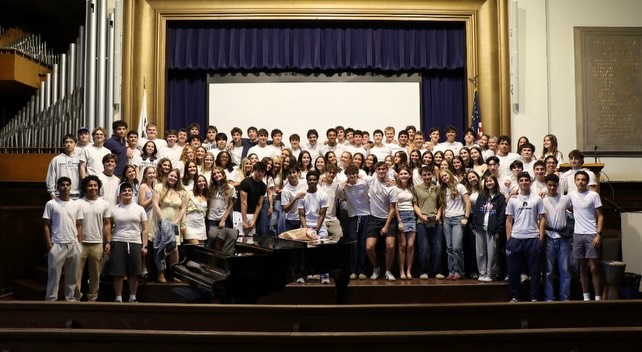







Through many new assemblies, Poly Prep’s Middle School administration intentionally curates programs to build character, celebrate learning and strengthen community across all grades.
Throughout the 2025-26 school year, there have been numerous assemblies crafted for the Middle School to take part in, every day two of the rotating schedule.
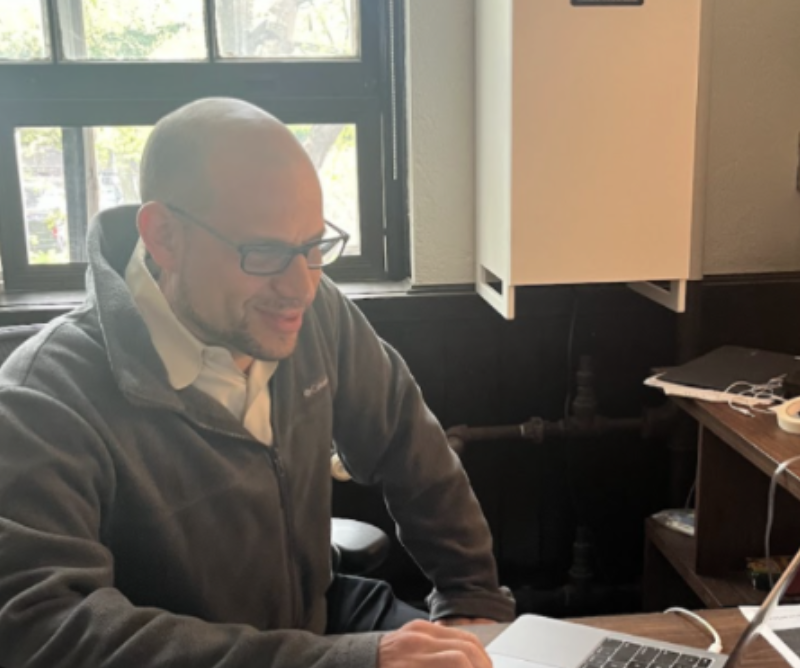
There was an assembly directed to teaching Middle Schoolers about upstandership, an assembly that “invites students to reflect not only on how they show up for themselves, but how they stand up for one another,” according to an article on Poly’s website. Faculty members themselves demonstrate these themes to the students, for instance, “upstandership resonates with me on a deep level and I try to be an upstander as much as possible,” said Jared Winston, Dean of Students.
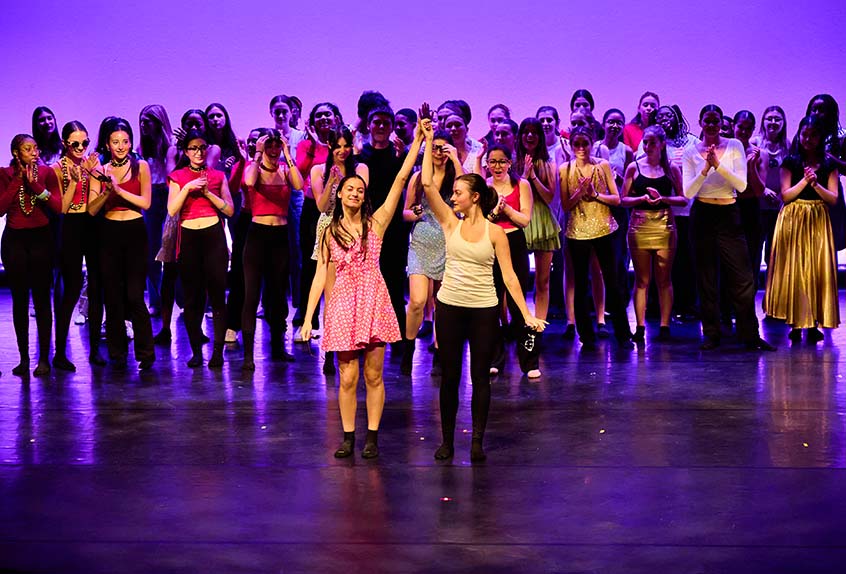
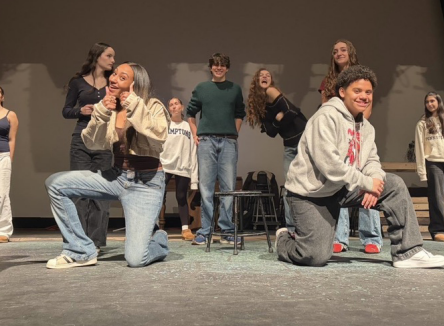
Recently, there was an assembly dedicated to the remembrance of Dr. Martin Luther King Jr, where all Poly Diversity, Equity, Inclusion and Belonging (DEIB) leaders and even some members participated. This was to show how his presence and activism impacted people of all backgrounds, especially the Poly community. “Faculty helped lead it, but it was an opportunity for students to learn about the culture that we’re celebrating in Black History month,” said Daniel Doughty, Head of Middle School.
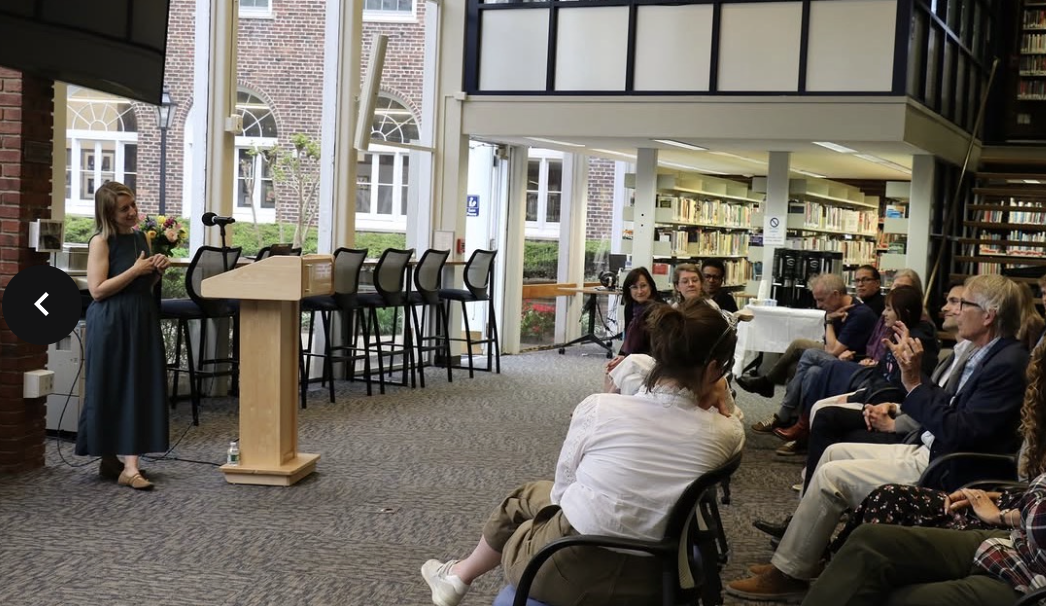
Some other assemblies included the Spelling and Geography bees and Rienzi. All three of these assemblies were curated for Middle School students to have the opportunity to showcase their academic abilities and interests in front of their peers, while remaining competitive, fun and collaborative. To participate in these bees, the students had to complete rounds of the qualification process beforehand, which included various geography questions and vocabulary words they had to spell. Similarly, the Rienzi program allows students to explore various linguistic interests and perform poetic pieces for their classmates and teachers.
While the content of the assemblies may be similar, they are created differently for Middle School students versus Upper School students. Younger children have a much smaller attention span and academic needs, which is why Poly’s faculty “make[s] sure there are plenty of changes in the format. This makes it so it’s not just sitting and listening for 40 minutes, we have an interactive activity or different presenters, so it’s not all one person’s voice,” said Doughty.
Encouragement and support lead to a healthy assembly environment that empowers young students to participate and feel safe on stage. “This is really important because they are constantly navigating social dynamics,” said Doughty. Building the courage to share out loud and to express one’s voice during an assembly strengthens the community and fosters a positive learning environment. Lily Klingensmith ’30 agreed with this notion of building a secure community, and said, “we all get to understand each other and get to know everyone better, even if you’re not that close with them.”
Assembly is a time for students to learn about their own current life developments and how to build a stronger sense of self.“Middle School is where identity, intellect and empathy begin to intersect,” said Winston.
When sensitive matters emerge in the Poly community, this information is not commonly shared by assembly for the middle school. Difficult topics of discussion can be hard to grasp as a Middle School student, which is why Poly faculty handles the distribution of information by organizing students by grade level. “If it’s a really difficult conversation, we usually break it up into smaller groups like grade level cohorts, and we wouldn’t have a super challenging conversation with the whole school at once,” said Doughty.
While this is necessary for students to process heavy material, Klingensmith said, “I hope we can do more activities where you interact with the other grades because I feel like we mainly sit in our grade box and I want to mix with the other unfamiliar students in different grades.”
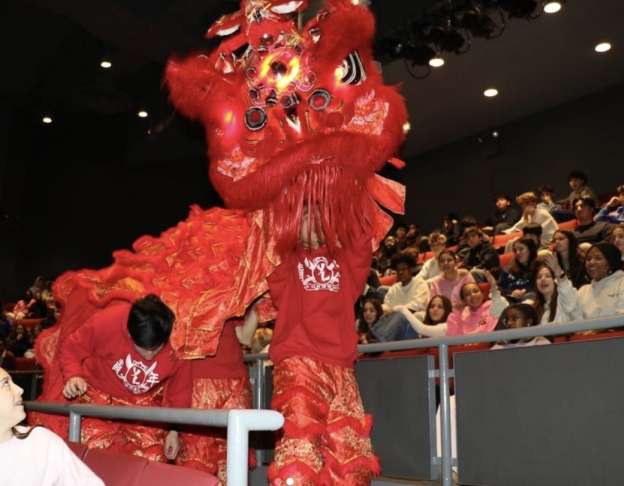
For the Middle School assemblies, there was “a good mix of academic competition, cultural representation, academic showcase and social emotional, community building,” said Winston.