


















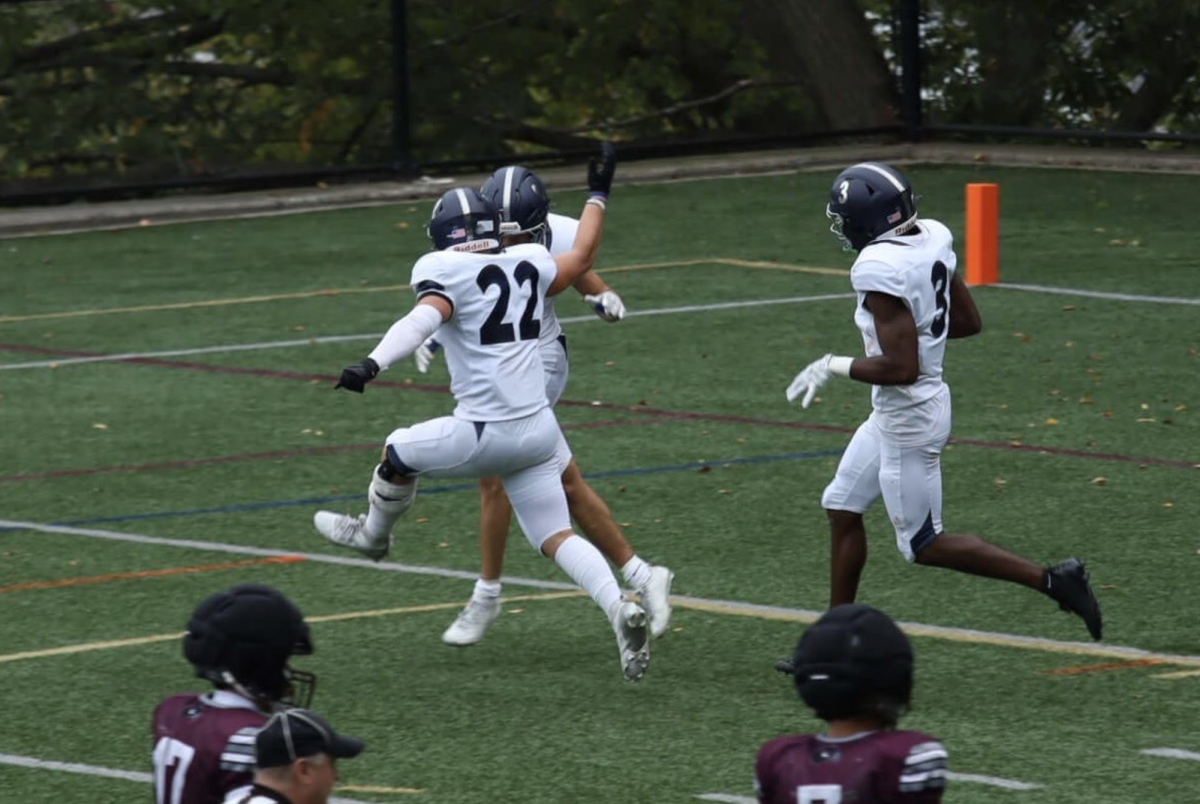

At Poly Prep, athletics aren’t just an after-school activity. They are spaces that shape friendships, identities and daily routines for a large portion of the student body. But when injuries happen—which they do often every year—students are left navigating more than just physical recovery. From steep hills and unavoidable staircases to the emotional weight of being separated from a sport they love, injured athletes face challenges that extend far beyond the playing field. While the athletics department emphasizes communication and offers extensive resources through its training staff, students describe a recovery experience that can sometimes feel isolating, difficult to navigate and largely invisible to those around them.
With so many students involved in athletics at Poly, injuries are an inevitable reality. Concussions, ligament tears and stress injuries frequently require students to step away from practices and games, sometimes for months at a time. Poly sees a “steady number of students placed in concussion protocols” or sidelined due to injuries each year, according to Peter Soto, Director of Athletics and Chair of Physical Education at Poly. Soto explained that once an injury is known, the athletics department works to ensure that no student “falls through the cracks” by keeping coaches, trainers and administrators on the same page. However, Soto acknowledges that one of the biggest obstacles is not the lack of support, but the timing and transparency of communication. Many students, he noted, are eager to return to play as quickly as possible, which can lead to “injuries being reported late or not at all.” While he described this determination as a reflection of how dedicated Poly athletes are, he emphasized that early reporting is essential in order to create a plan that prioritizes a student’s long-term health.
Once an injury is reported, students are evaluated by Poly’s athletics training team: John Pomponio-Careccia, Head Athletic Trainer, and Alyssa Alaimo, Athletic Trainer. Soto highlights that the trainers work closely with students to create individualized plans, whether that means modified participation, in-school rehabilitation, or coordination with outside medical providers. Students can “attend physical therapy during free periods, use hydrotherapy and heat treatments,” and access more specialized equipment that Soto notes is often “comparable to what colleges and professional programs use.” Despite all these resources, Soto clarifies that many students simply do not know they exist. He stresses that injured students are “encouraged not only to ask questions but to physically visit” the athletics training office and share documentation from outside providers so the trainers can follow up and support them on campus. According to Soto, the goal is always the same: to help students return to their sport and daily routines safely, whether that means on the field, the court, the pool, or the stage.
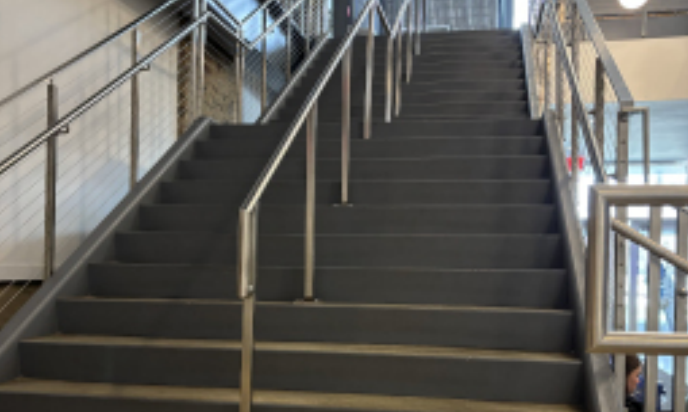
While athletic support may be robust, the experience of moving through campus with an injury can still be overwhelming. For Anna Brandmeyer ’26, who tore her ACL and meniscus during the first game of her junior year, the injury marked a sudden and painful shift in her life at Poly. Soccer had been “a constant in her life” since childhood, and losing it for some time was not only physically challenging but emotionally destabilizing. After undergoing reconstructive surgery, Brandmeyer spent weeks on crutches and months in recovery. Returning to school, she describes, was “one of the hardest parts of the process.” Navigating a large campus with multiple buildings and floors required immense physical effort, and even getting from one class to another became exhausting. She recalled that the combination of pain, fatigue, and the constant awareness of her injury made those early days back at school really difficult. Although Brandmeyer’s teachers were understanding and aware of her situation, she notes that there were “limits to what could be adjusted in such a large and stair-heavy campus.” Many classrooms require climbing multiple flights of stairs, and while elevators exist, they are limited in number and not always accessible during tight class transitions. As a result, she often found herself struggling to keep up physically with the pace of the school day.
Beyond the logistical challenges, Brandmeyer emphasizes the emotional isolation that came with being injured. Removed from daily practices and team routines, she describes feeling disconnected from a community that was central to her identity. She notes that while people were kind and willing to help, it was “difficult to find peers who truly understood” what she was going through. Looking back, Brandmeyer expressed that one of the most meaningful changes Poly could make would be creating systems that connected injured students with others who have had similar experiences. She suggested that mentorship or peer support programs could help students feel less alone during long recoveries and “give them someone to turn to” who understands both the physical and emotional challenges of injury. As Student Government President, Brandmeyer sees an opportunity for student leadership to help bridge this gap. She believes that student government, athletic chairs and coaches could play a larger, more vital role in connecting injured athletes with resources and with one another, ensuring that no student feels isolated or helpless during recovery. Creating spaces for conversation, she highlighted, could make a meaningful difference in how students experience injury setbacks at Poly.