









“The greatest threat to our planet is the belief that someone else will save it.”
Famous conservationist Robert Swan made this statement around 2009, and it stayed popular across various media platforms well into 2012. To build a better tomorrow, we must set aside our natural inclination to engage in unnecessary activities that contribute to climate change and focus on what we can do to address the global environmental crisis.
Most, if not all, of us have at some point in our learning careers learned at least the basics of how climate change works, even though only 70% of Americans believe that it truly exists, according to the Center for Climate Change Communication. In the U.S., learning about the climate crisis is not required in most states, which could be the cause of this low percentage. Greenhouse gases are released into the atmosphere, causing dramatic shifts in the warming and cooling of regions worldwide. However, almost everything we do daily affects the process of climate change. From using fossil fuel-powered transportation to consuming food products manufactured unsustainably, we are contributing to the ongoing climate crisis. There are countless ways for people, especially the Poly Community, to reduce the impact of our carbon footprint.
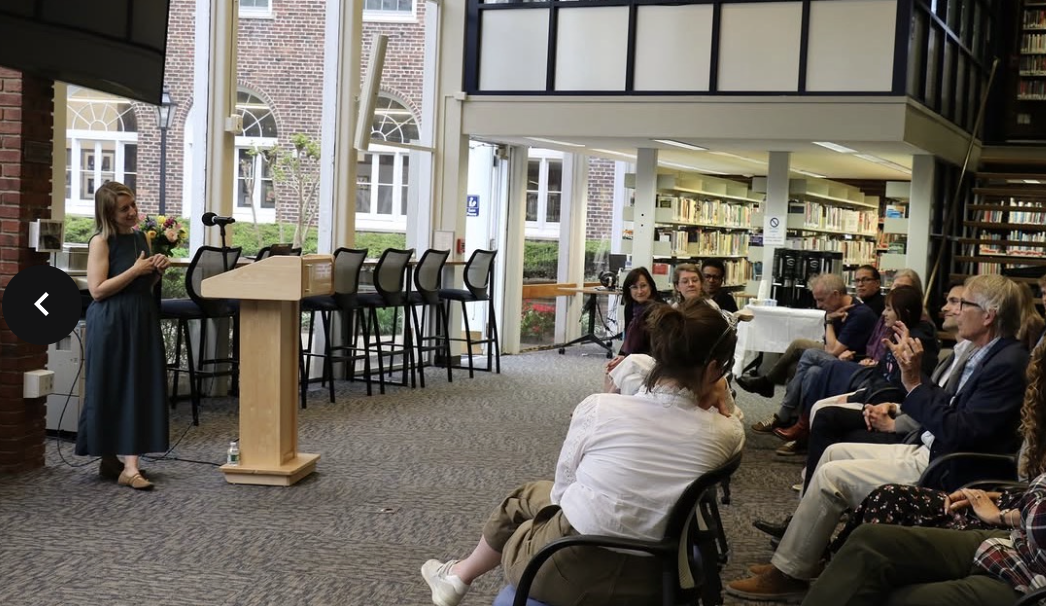
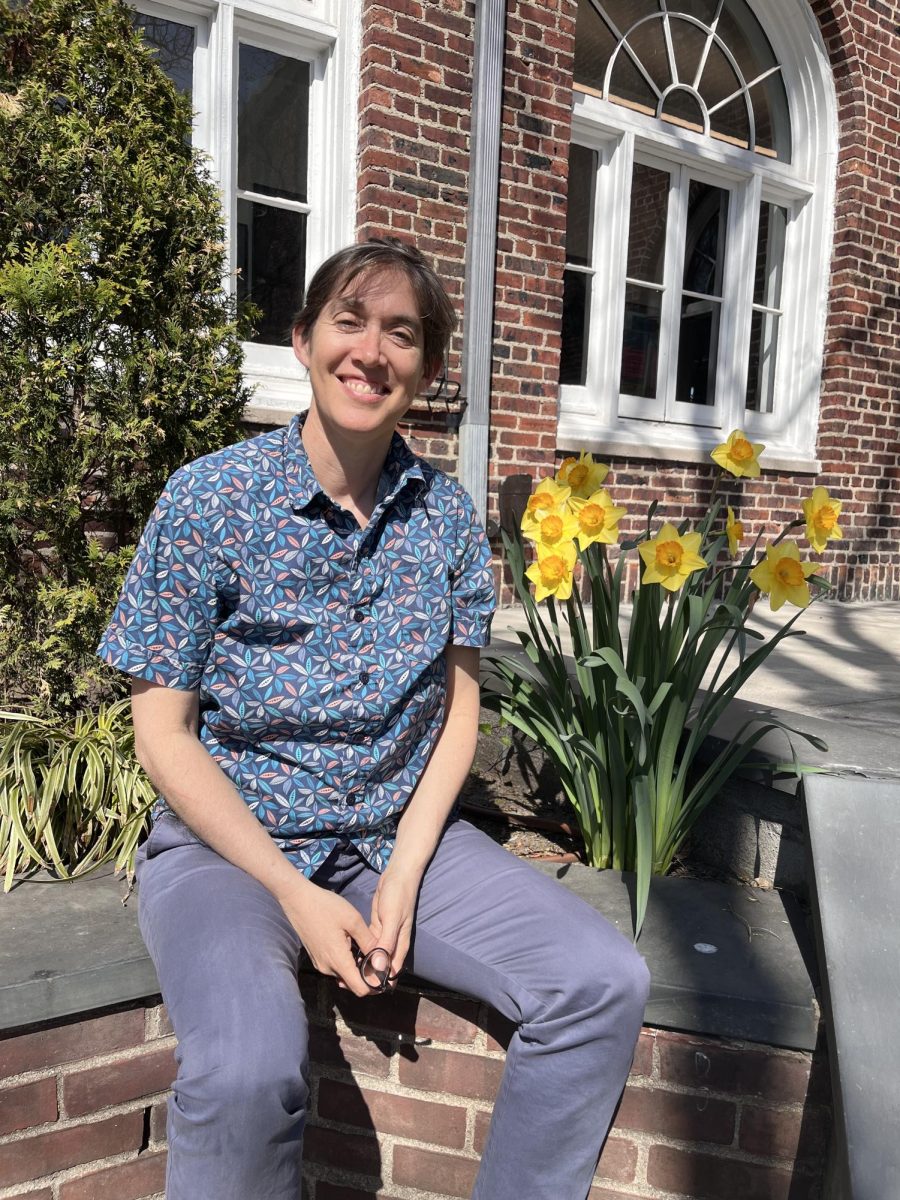
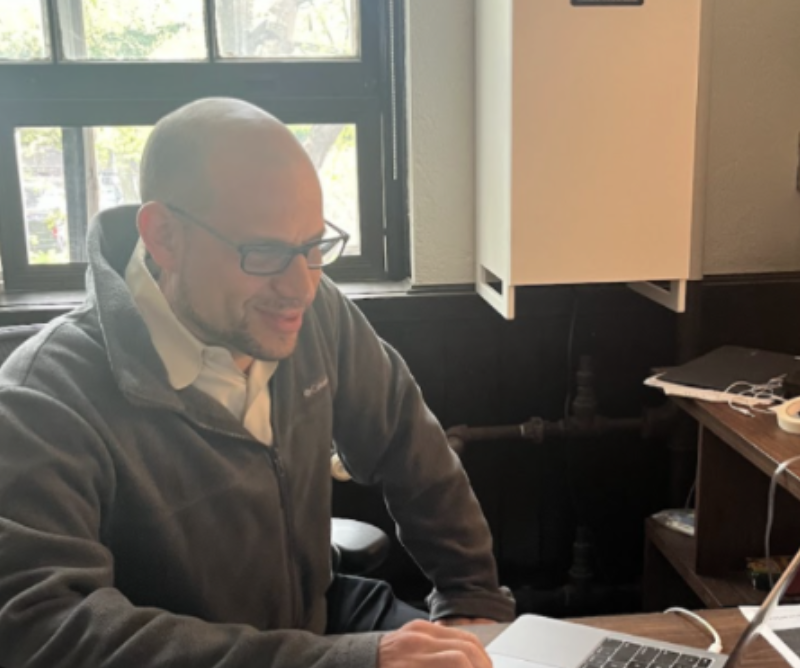
To help slow the pace of climate change, the students, faculty and staff of Poly might follow the idea proposed by Middle School Science Faculty Luke Davoren. “We did this environmental pledge where each student chose one of maybe five or six [options] of what they could do to reduce their own individual environmental impact,” said Davoren. This activity is something that everybody can do: choosing a number of the small things we do in life that contribute to the environmental crisis, to focus on and try to stop the habit. If we work to change our unnecessary actions that inflict harm upon our planet, we can improve the lives of all living things, including our own.
As a constructive challenge, Mr. Davoren encourages the people at Poly to concentrate on small steps that benefit the environment; achieving small goals to move toward a more sustainable world.
Furthermore, much of the Poly community uses disposable items often, which is one of the largest causes of the climate crisis. Global conservationists and climatologists give support to the idea of using more multi-use, climate-friendly products in place of plastic straws, water bottles, napkins, utensils, etc. This shift is one of the easiest ways to support the cause and it would be a good thing for our community to work toward together. We can introduce this change to our lifestyles by starting small and working upwards. For example, you might want to start bringing a reusable water bottle to school if you don’t already, or you could try to repair broken items instead of buying new ones.
Another issue present in the Poly community is that we don’t throw out our trash. While we are constantly reminded to, students often feel that it isn’t worth it to walk five feet to throw our snack wrapper in the can, even though it negatively affects the Earth and our own lives in the long run. By taking those few seconds out of our day to help keep the environment healthy, we are improving the world for ourselves—all it takes is believing in delayed gratification. So many of us might say, “The environment is important!” But, we have to show it with our actions as well.
When we go out into nature-dominated places like the woods or an unused plain, there are countless opportunities to learn and have fun, but we must remember to be respectful of the environment. Many conservation nonprofits and government agencies, including the World Wildlife Fund (WWF), encourage using the principles of “leave no trace”, a set of concepts focused on keeping the environment healthy, which are widely recognized as the key rules of “nature etiquette.” The Poly community could be greatly impacted if we attempted to follow these principles, both on and off our campus. Leaving nature alone helps to keep the balance between our environment and the things we alter in industrializing our world and without that balance, we could get stuck in a situation we can’t get out of.
We should all inspire others to help change the direction of the climate crisis, so that we can move towards a better future. The late Jane Goodall said, “What we do makes a difference, and you have to decide what kind of difference you want to make.” Just as she, Robert Swan, and countless others believed, for the world to change the way you want it to, you have to be the one to change it.