



























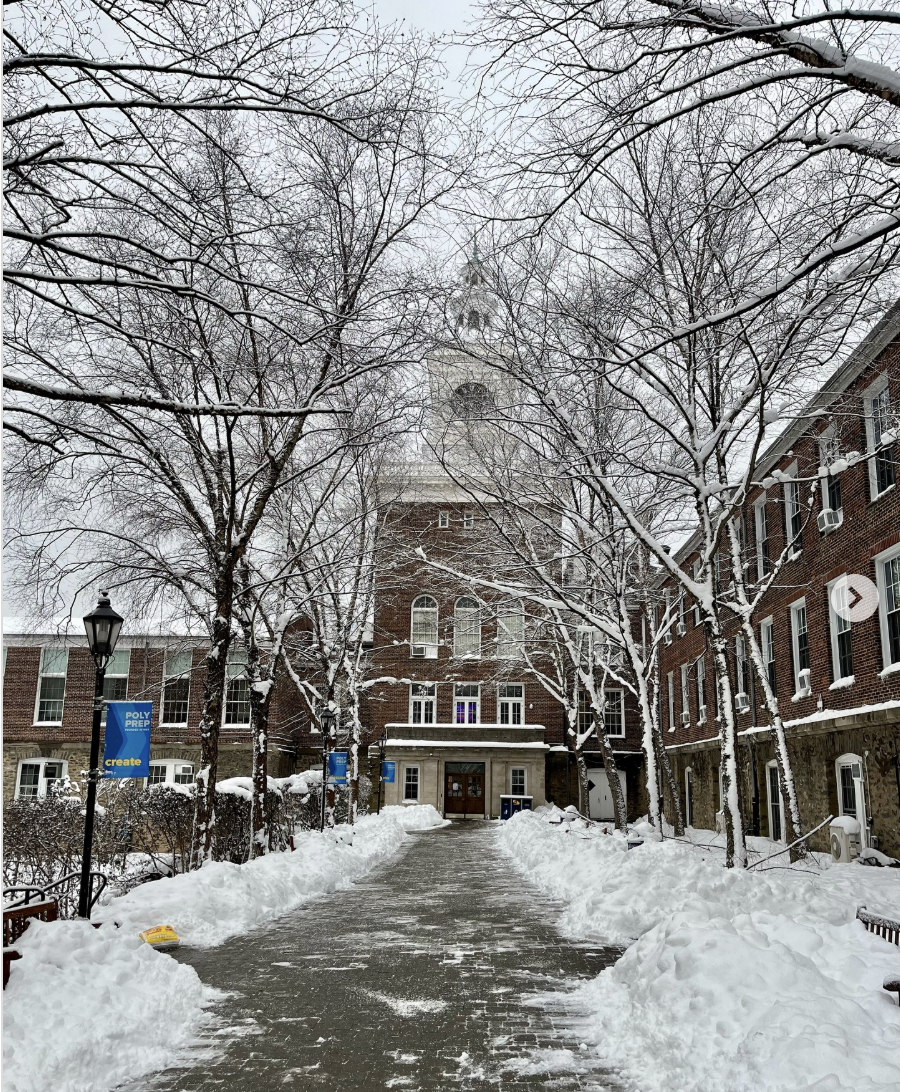
As the weather in New York City starts to warm up, many students come back from seasonal depression, a time where some people, often students, fall into a slump. The winter time can affect students’ performance in school and social life, simply from the lack of sunshine. While this time can be dreadful, many Poly students have found ways to cope with these feelings and enjoy the outside.
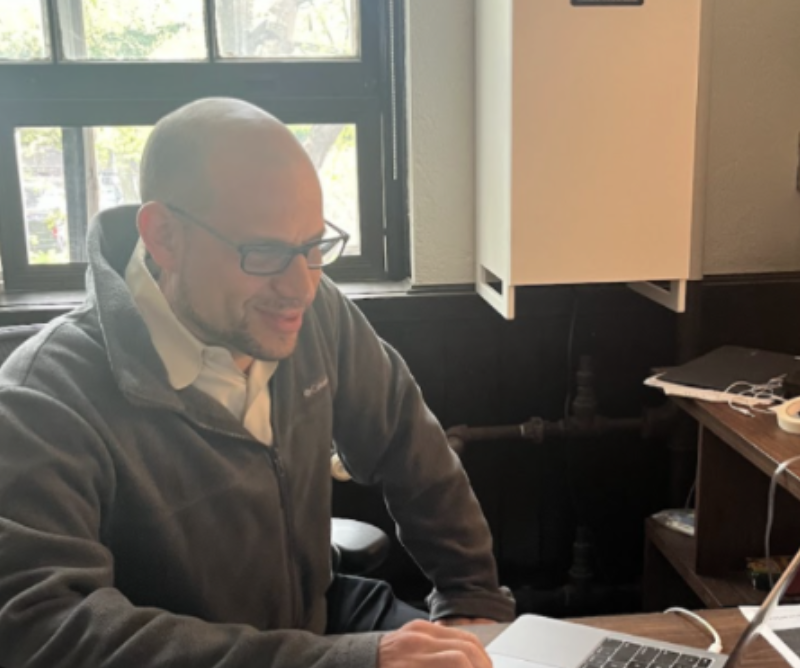
“It is possible to feel down in the winter and not be suffering from something like Seasonal Affective Disorder (SAD), and that can be a hard distinction to make. One of the easier ways to tell if this is an episode of having a bad day or a bad week, versus more of a condition would be if this is something recurring,” said Upper School Counselor Benjamin Marks.
“Seasonal Affective Disorder is a type of depression that’s related to the changes in seasons,” beginning and ending at the same time each year, most commonly starting in the fall and ending in the winter months, according to Mayo Clinic, a nonprofit American academic medical center.
Although the darkness of the winter makes people feel down, 6% of the US population suffers from Seasonal Affective Disorder, according to the National Center of Biotechnology Information, a US government-funded resource that houses and analyzes biomedical and genomic data.
Suffering from SAD or not, many people find themselves losing motivation in social and academic life throughout the winter. “I slow down a lot, both physically and mentally,” said Madeline Gross ’26. “[The winter months] greatly affect my motivation, including schoolwork, but also motivation to do things that are more fun, like a workout class,” she elaborated.
Another aspect of the winter that Poly students dread is Midterm Week, which typically falls towards the end of January. “Students are coming back from two weeks of winter break where they’ve had no real school responsibilities, have a week to study and then it’s midterms. The school schedule does not necessarily line up with the seasons in a way that really allows students to ease back into things,” said Marks.
The winter blues can also come from the effects of the end of daylight savings, shorter days and less sunlight. “Lack of light can throw off your circadian rhythm. This can cause your brain to produce too much of the sleep hormone melatonin and to release less serotonin, the feel-good brain chemical that affects mood,” according to Harvard Health Publishing.
67.3% said they experience seasonal depression symptoms, such as feeling down in the winter, and 89.1% said they feel happier knowing spring and warm weather is approaching, according to a survey from 55 Poly Upper School students.
Although the winter months can feel dreadful, many students find ways to cope with the winter blues. “It’s important to take that time to make those connections, reach out to people around you, and to spend time doing indoor activities. There’s a lot of parts of the winter that you can romanticize, and for me that’s skiing,” said Gross.
Another way to combat SAD or feeling down in the winter is light therapy. “Placing a bright light on your desk and sitting in front of it to try to mimic the effect of having the sun in the morning can be extremely helpful,” said Marks.
Coping with these feelings can be as simple as treating yourself to something small. “I’m a big tea drinker and I love having a warm cup of tea. I have this rule for myself that when it’s cold enough to snow, but it hasn’t started snowing yet, I buy or make myself a hot chocolate or tea. It’s the little things like that really keep me moving forward,” said Gross.
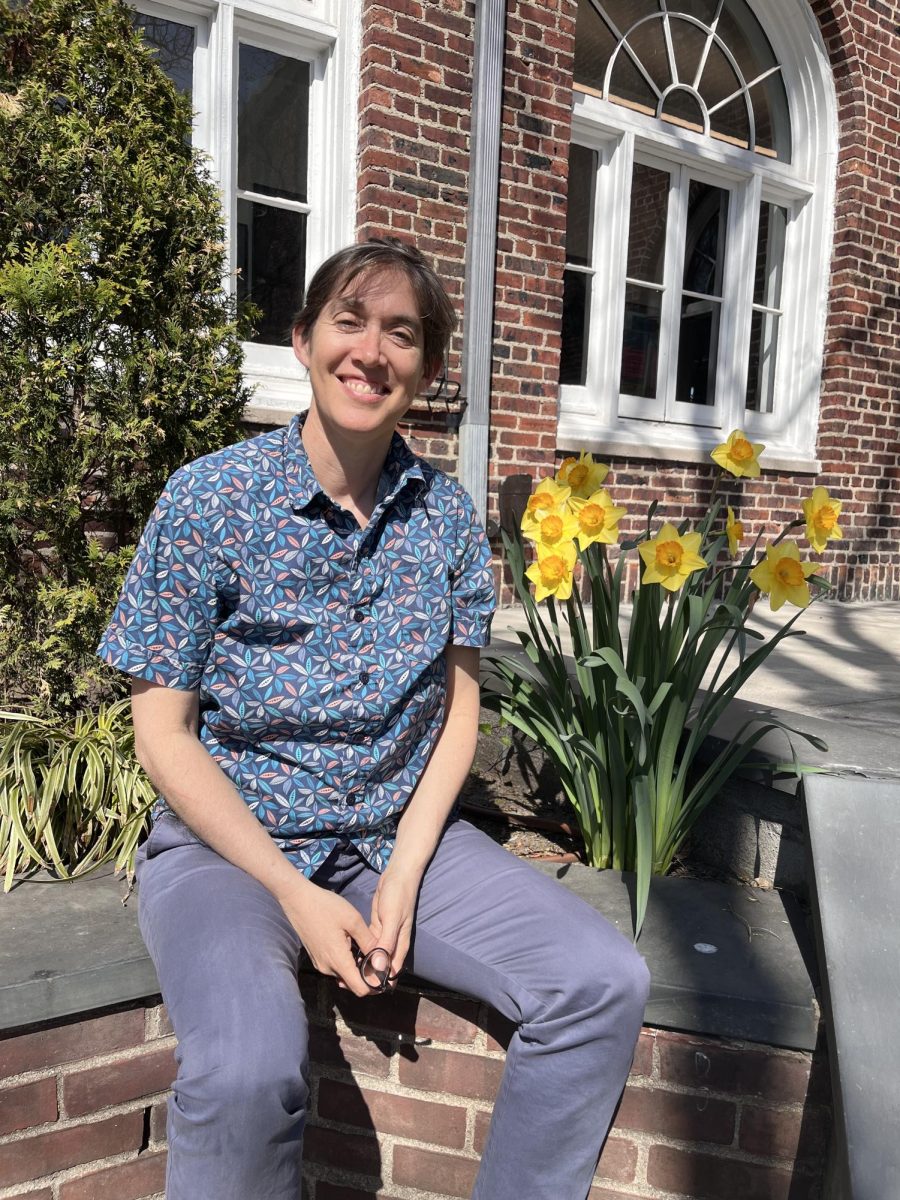
In the spring, numerous Poly students take advantage of the warm weather by spending their lunch and free periods on the backfields, enjoying the sunlight. “I enjoy going outside with my friends when it’s nice out and can walk around. Poly has a great campus during the spring,” said Harper Levin ’29.
“Even though seasonal depression and these mood effects can be really difficult, [it’s] really important because it gives you this feeling of change. It also makes that first day of spring just so much sweeter,” said Gross.