








International students have faced new restrictions on how long their visas will remain valid and experienced increased difficulty in obtaining them, due to the recent policies implemented by current President Donald Trump. These policies have made international students question their future in college, their safety in learning environments, and their sense of belonging in the United States.
Trump administration announced a proposed rule on August 27, 2025, that, if finalized, would “limit the length of time certain visa holders—including foreign students—are allowed to stay in the United States, thereby curbing visa abuse and increasing the Department of Homeland Security’s ability to properly vet and oversee these individuals,” according to the U.S. Department of Homeland Security.
These policies have the risk of discouraging potential students from coming to America, which could in turn reduce the value these individuals could add to communities. “U.S. Customs and Border Protection’s immigration data for July 2025 showed a significant decline in the arrival of international students compared to the same period a year earlier, including a drop of almost 50% for students from India,” according to Forbes.
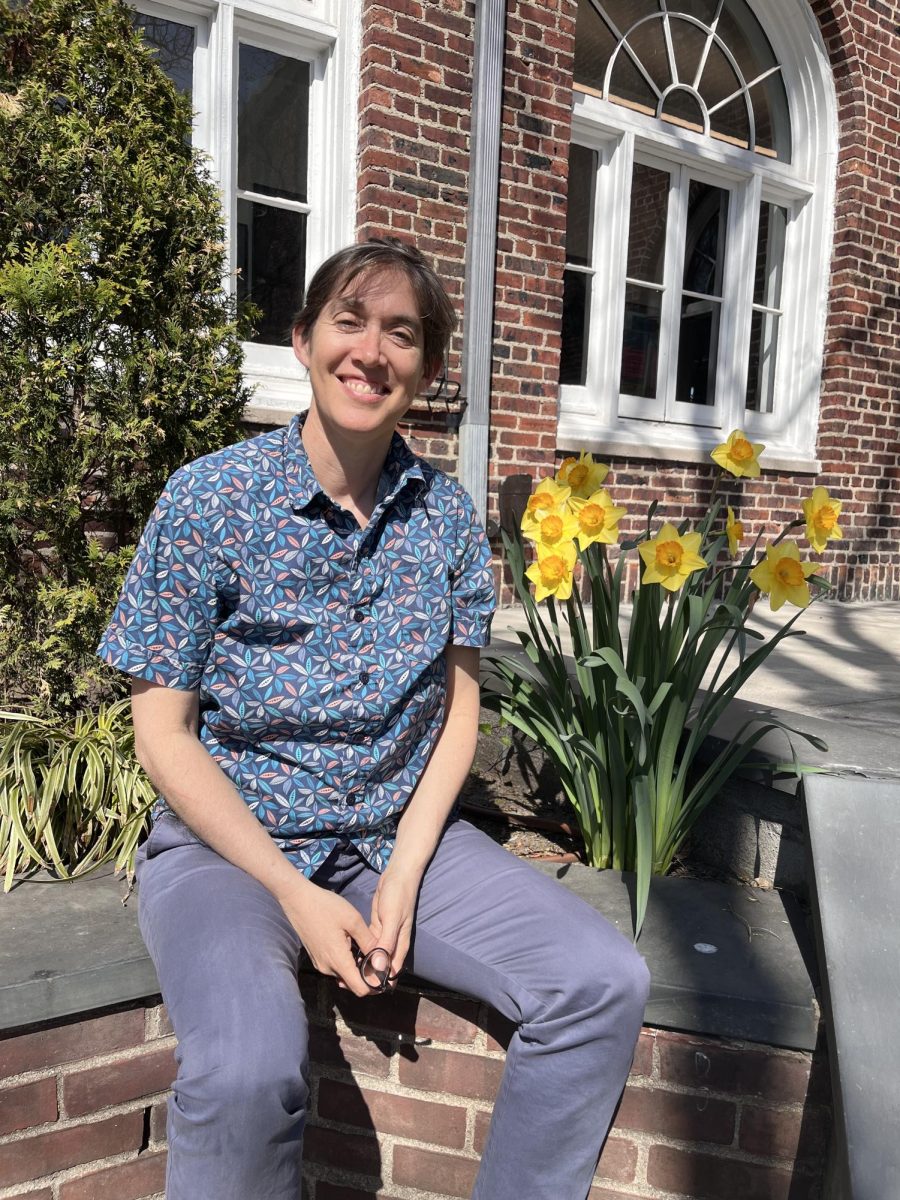
“Some great minds are going to stop trying to come to America, and they used to try to come here because things were well funded and great academic research was on the table for anyone,” said Upper School Dean Department Chair and Director of College Guidance Emily Gardiner.
“It’s going to mean less progress in our country,” she furthered. With a small number of international students attending Poly Prep already, their contributions are crucial to maintaining diversity and cross-cultural understanding on campus, and these policies threaten to reduce this number even more. “International students bring something very positive to Poly on a daily basis in the classroom,” said Language Faculty Member Ruoran Huang.
Beyond Poly, Gardiner shared that the U.S. also “[relies] on international students for scientific innovations. There’s very important money being spent right now on building great engineering inventions, solving pressing medical problems, developing solutions for the warming of the earth,” which cannot be done without foreign students.
An international student from China, Suri Sun ’26, is thinking about what colleges she will attend and if these policies will affect her. “When I’m graduating I don’t know what the government will look like, so I don’t want to think for the worse,” said Sun. She shared that she’s focused on the schools that have been respectful and inclusive towards international students by rejecting Trump’s policies.
Being an international student, coming into a new country and adapting to a new environment and culture is already a challenge for students. Adding the worry about these new policies on top of that initial stress makes it even harder for students to navigate these big life decisions. “International students can be considered as a group of people who have a totally different cultural knowledge and historical background and you want to interact with them to make your perspective more complete,” said Huang.
“I am hoping to meet more international students next year in a diverse college atmosphere. It’s fun to get to know people from different cultural perspectives,” said Sun.