
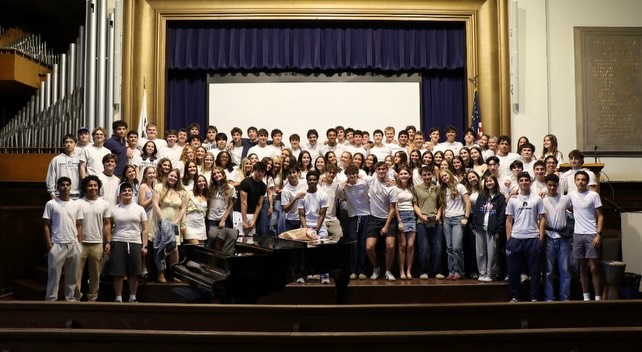
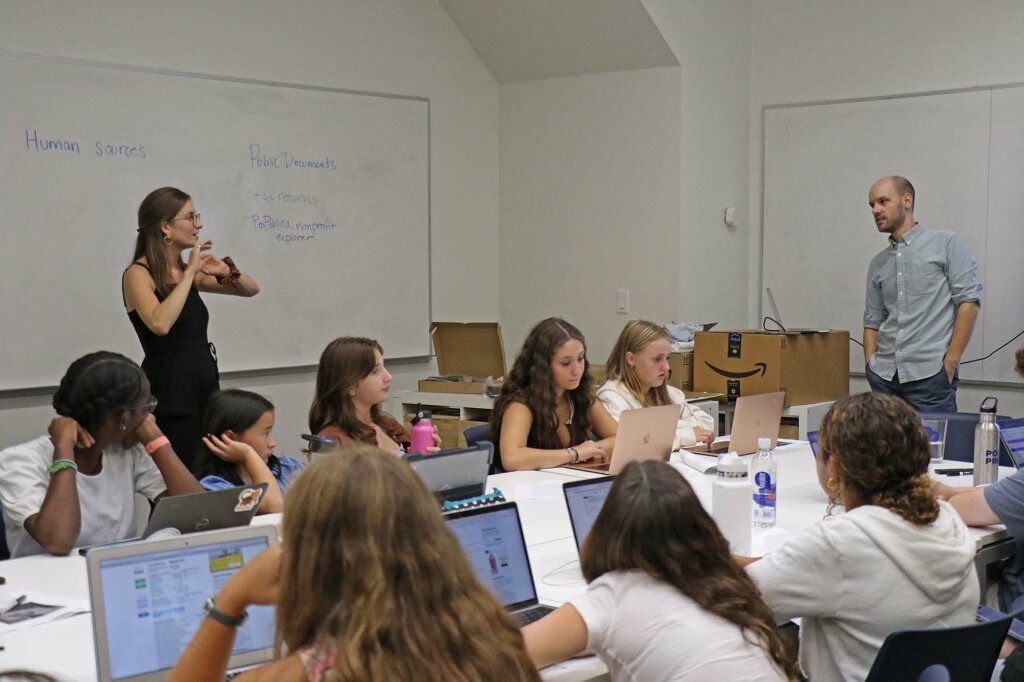

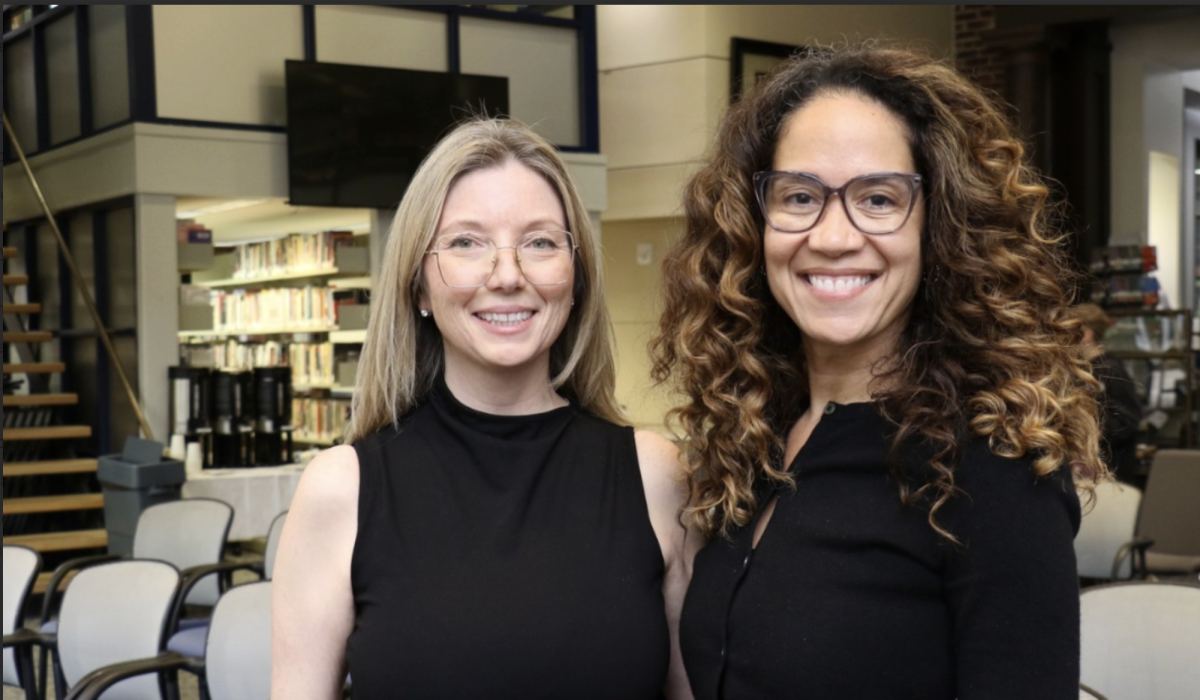
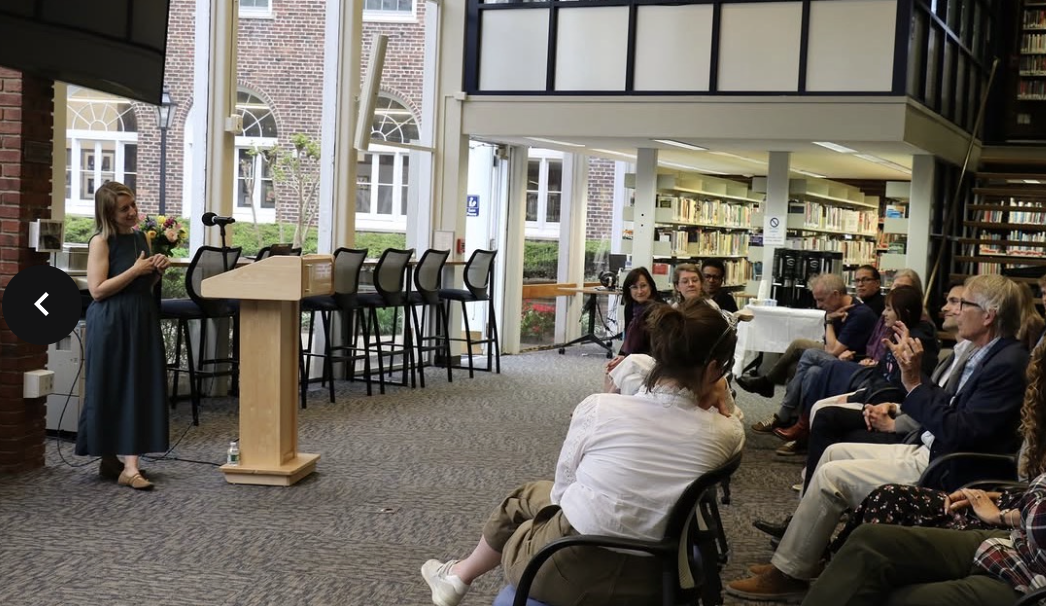








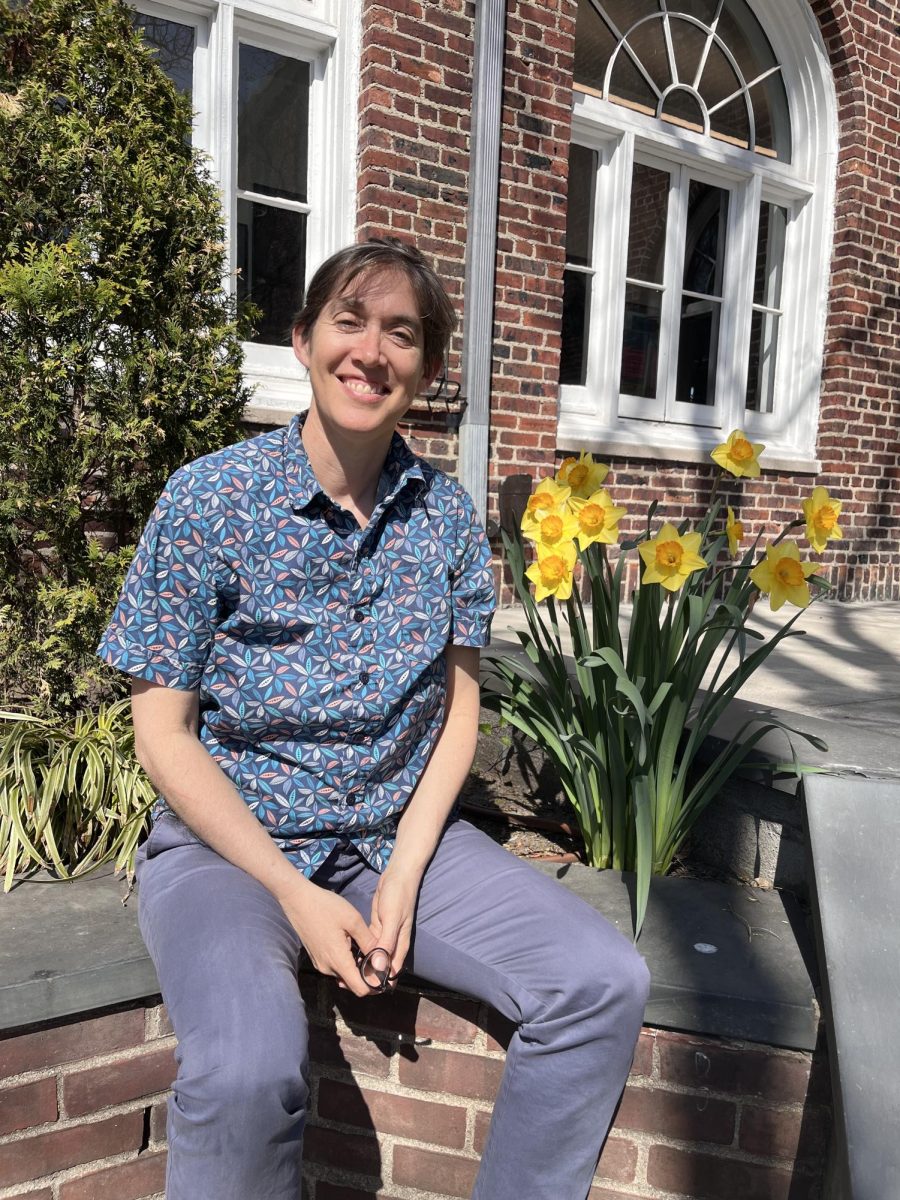
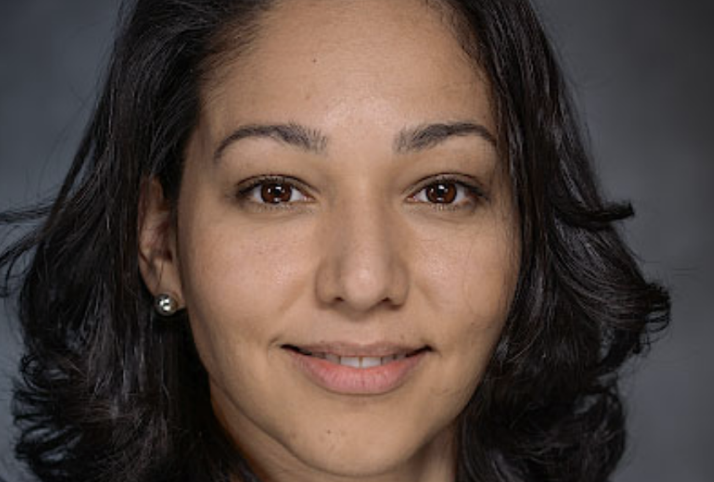






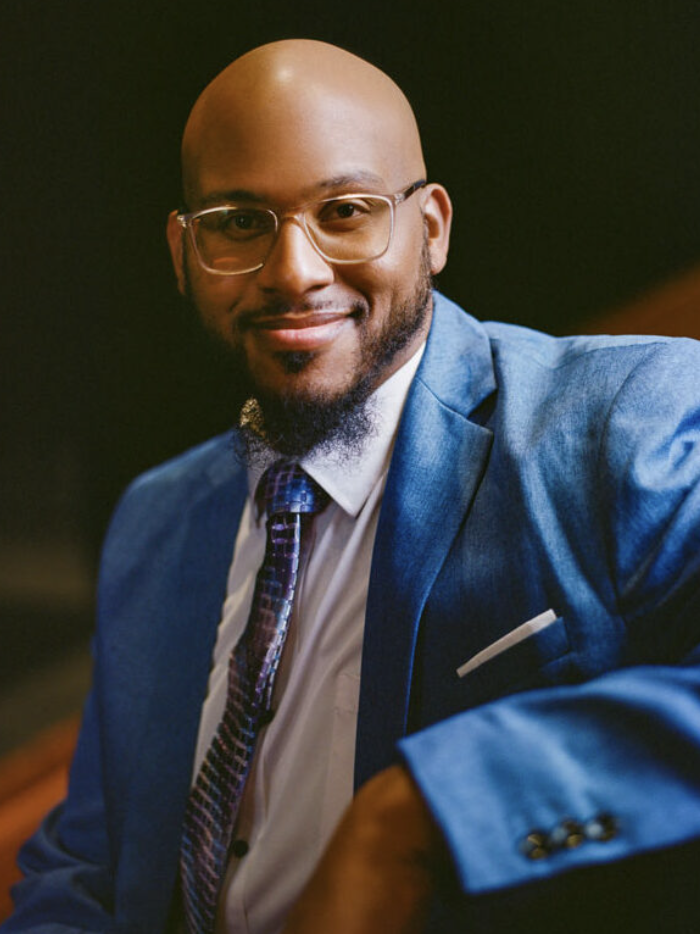
Jason Craige Harris, a senior advisor at the Perception Institute and Pollyanna, spoke at Poly Prep Country Day School on Friday, April 24. With the goal of shaping the perspectives of current and future student leaders, Harris addressed students holding leadership positions across the school, from Diversity, Equity, Inclusion and Belonging (DEIB) group leaders to Student Government Representatives. Erika Freeman, Director of DEIB, organized the Student Leadership Symposium and encouraged students to attend.
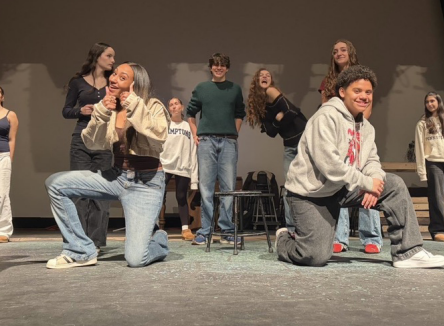
During the three-hour symposium, Harris described the skills of an effective leader. Through skits and interactive activities, he taught students the differences between average and exceptional leadership. Harris also shared personal anecdotes, reflecting on mistakes he made throughout his career as a mediator and explaining how he grew from those experiences. By acknowledging his own flaws, Harris encouraged students to confront and learn from their own mistakes as leaders. In that way, Harris conveyed to students that making mistakes in their leadership careers was natural, while also teaching them ways to improve.
“I believe it is essential for leaders to embody humility, curiosity, empathy, courage and accountability,” said Harris in an email to The Polygon.
The values Harris discussed reflected both his experience developing leaders and the lessons he shared with Poly students. Much of his leadership philosophy is shaped by his background in diversity education.
“When I work with student leaders, my intention is to create a space where they can surface the lessons they already carry about leadership—what to do, and what to avoid,” said Harris. “I may come in with ideas and life experience, but so does everyone in the room. We are all there to refine our thinking, strengthen our practice and grow together.”
The Perception Institute is an organization composed of psychology-centered researchers and strategists focused on fostering inclusive environments, according to its website. Harris is described on the organization’s page as a multidisciplinary strategist trained in ethics, psychology and systems of thinking. In his work, he partners with leaders, organizations and families to build trust and strengthen inclusivity in group dynamics.
In addition to his work with adult organizations, Harris applies his leadership experience to student communities through Pollyanna, an organization focused on promoting inclusion and connection in schools, according to its website.
Freeman first learned about Harris through his work speaking at schools. She was initially drawn to his emphasis on inclusion as an essential part of successful leadership and later became interested in having Harris speak at Poly after hearing about his talks at other schools. “I attended a virtual workshop with him, where he was speaking to students. Before I bring anybody [to Poly], I like to experience them for myself, to see what to expect,” said Freeman. “When I attended the live workshop, I saw how engaged the students were. On Zoom, many students will tune out because they’re on computers, yet the ones listening to [Harris] were 100% attentive. Just to see the way he engaged with kids made scheduling him a priority.”
Students at Poly echoed Freeman’s enthusiasm about the event. “I felt like [Harris] could connect with a lot of people in the way that he spoke,” said Isabel Anderson ’28, who will be vice president of the Lemonade DEIB group for the upcoming school year.
Anderson especially appreciated the interactive elements of the symposium. “I felt like they were very interactive and a little unserious, but in a way that lightened the mood,” said Anderson. “It was a space that was open to feedback and criticism while also being fun.”
Students also said the symposium changed the way they viewed leadership. “I learned a lot about what it means to be an effective leader and what kinds of leadership actions can accidentally be negative,” said Nicolai Fahy ’27, who will lead the White Anti Racist Allies (WARA) DEIB group during his senior year.
“For example, [Harris] talked about bad leaders being overbearing and not letting other students have a voice,” said Fahy. “From that, he really showed me that leadership isn’t about always being right, but more so making sure people feel comfortable.”
Freeman said Harris was equally impressed by the students he met at Poly. “‘Erika, your students are so inspiring,’” Freeman recalled Harris saying after the symposium. She added that Harris “was really happy to engage with them. I anticipate having him back again in the future.”