
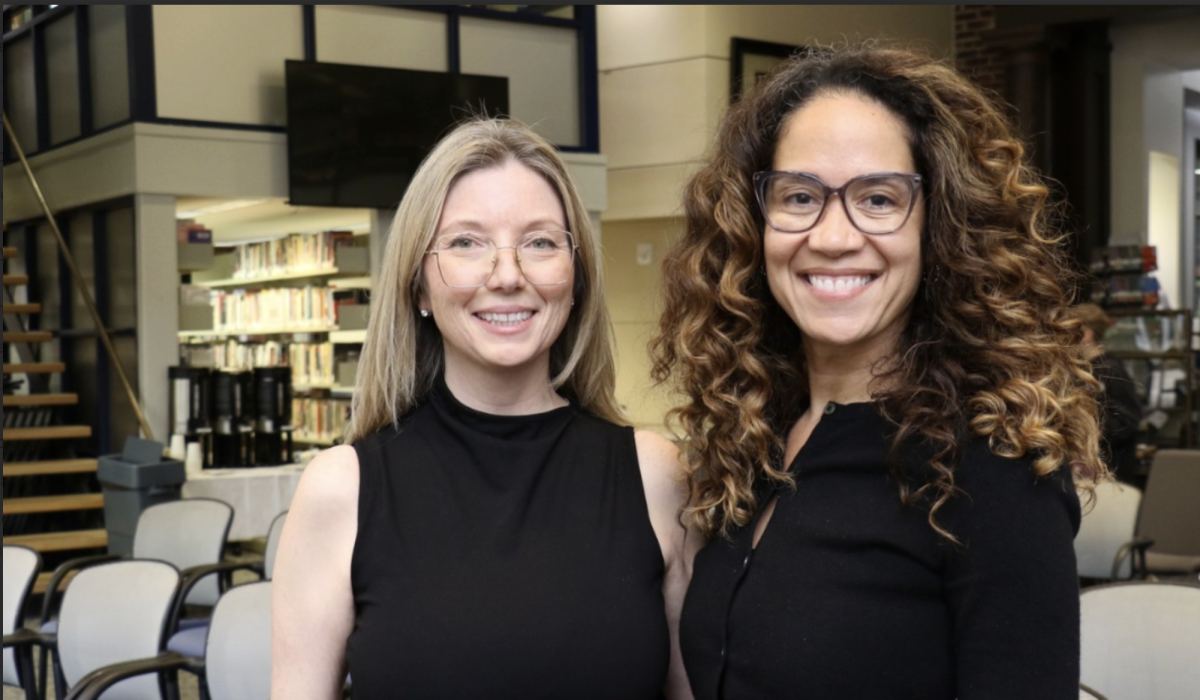
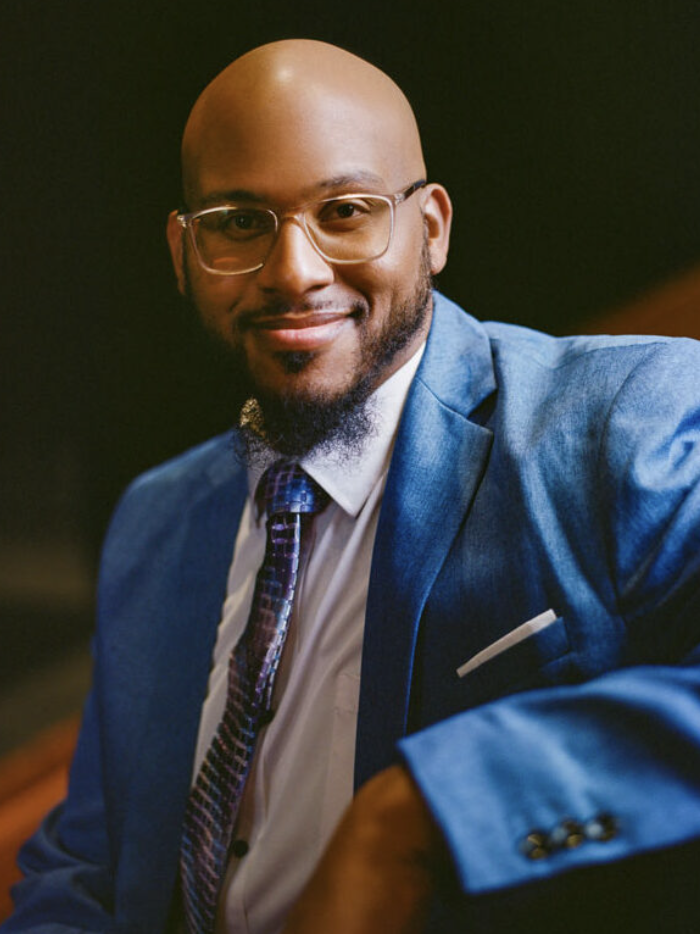








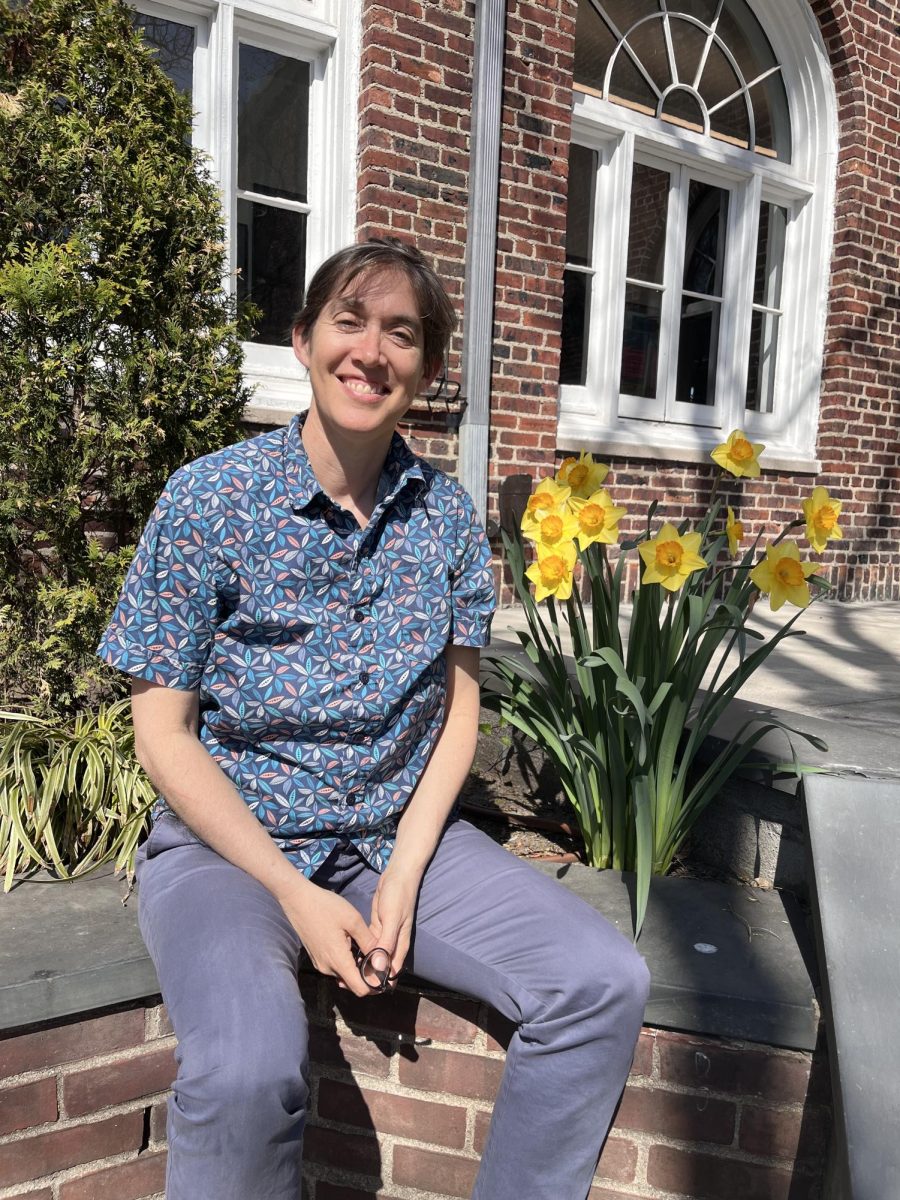
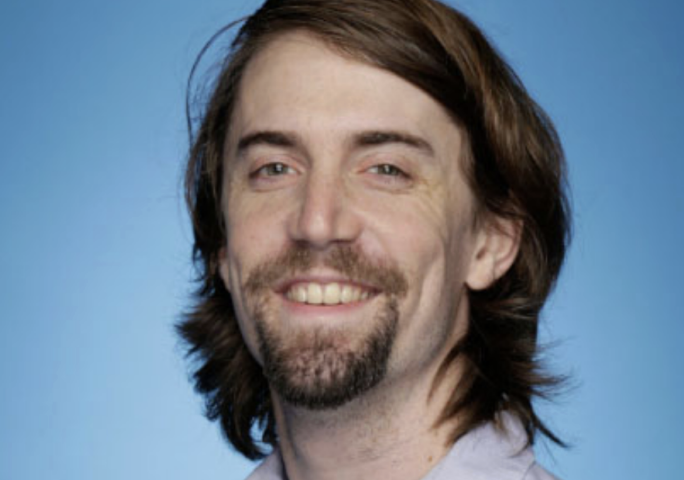
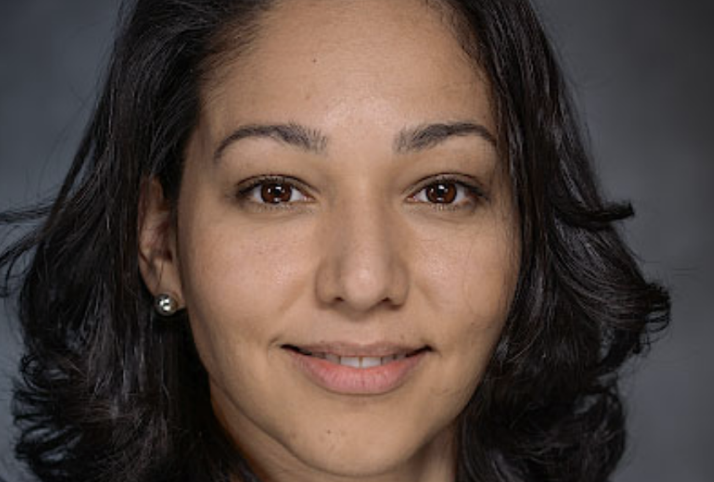




Día de los Muertos, or Day of the Dead, is a Mexican holiday celebrated on November 1 and 2 to honor and remember deceased loved ones. It is a joyful and festive time that views death as a natural part of life. Families create altars (ofrendas) with photos, favorite foods and marigolds, to welcome the spirits of the dead for a brief reunion. Across the Poly Prep community, this holiday is celebrated by many, including Omar Durán García and Upper School Spanish Faculty Member Maité Iracheta.
Día de los Muertos is a complex holiday with a rich history. Iracheta described it as a celebration of living beings who have passed, noting that although the celebration mainly honors humans, it can also include pets and other animals. Iracheta added that those who celebrate believe that after people pass, they move onto a spiritual place, possibly a different dimension, and although they live elsewhere, celebrating el Día de los Muertos allows their memory to live on.
While the holiday is primarily celebrated by Mexicans, Mexican-Americans and others across Latin America, some believe Día de los Muertos to be a holiday that was influenced by European traditions brought by colonization. As Durán-Garcia explained, “Some believe it has Christian roots brought by Europeans. Some also believe it was from the Aztec visions of religion and life and death.”
As a result of its potential colonial origins, some choose not to participate in the festivities. “It [was] not a tradition that was celebrated all over the country, until recent times,” Durán-Garcia added. Around the world, Mexico is where Día de los Muertos is mainly celebrated. However, as of 2023, according to statista.com, 25% of Mexicans did not observe the holiday. This high rate of people who do not celebrate shows the validity of Durán-Garcia’s point; not all celebrate the holiday in Mexico. Like many, he did not celebrate the holiday with his family growing up. Instead, celebrating with others and in turn learning how the holiday is observed, allowing Durán-Garcia to gather his own complex understanding of Día de los Muertos. Durán-Garcia concluded, saying, “We think of Día de los Muertos today as a particular articulation of a longer tradition.”
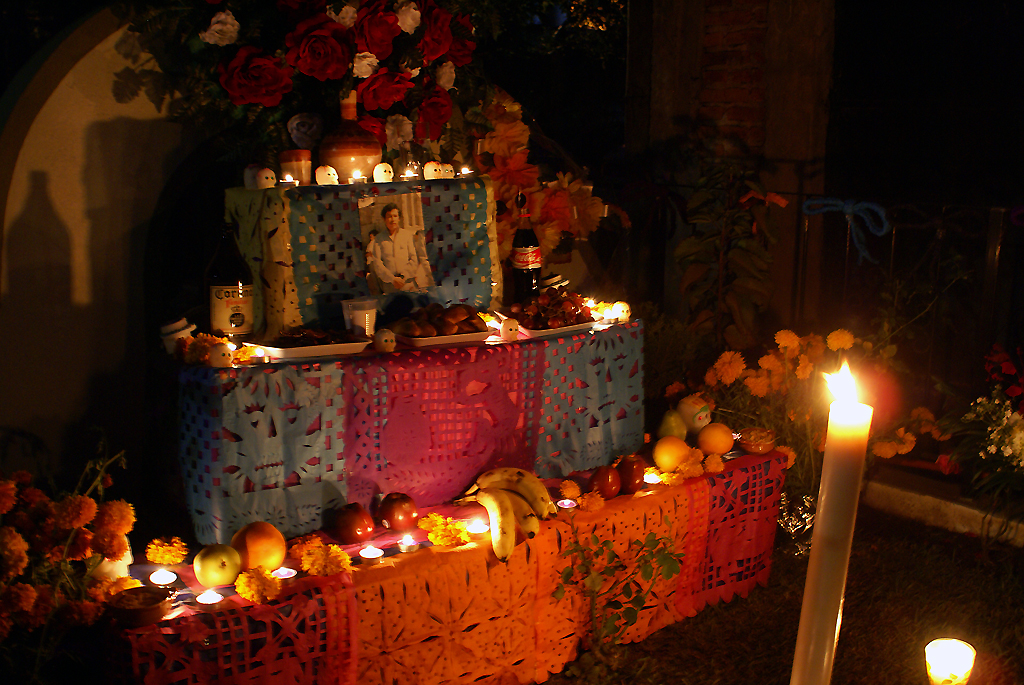
During the holiday, many people celebrate by setting up an altar that consists of four main elements. The first element, earth, is usually represented by food, which is meant to nourish the soul. The second element is wind. Wind is symbolized by paper banners that move in the breeze. The third element is water; it is placed in a glass or pitcher to quench the souls’ thirst after their journey. Lastly, fire is represented by lit candles, which help guide the souls to the altar. The Grace Museum describes the altars and the elements that coincide with the altars well, going into detail about each element.
“My favorite tradition is when I get to go to a cemetery at night in Mexico,” described Iracheta, when explaining how she celebrates the holiday. She elaborated that “families not only place their altars at home, but also on the cemeteries of their loved ones.” Describing these altars in detail, Durán-Garcia added, “You may be able to find some of the altar pieces that are more grand and sophisticated in certain regions. However in rural communities, you may find more humble or smaller sized altar pieces that may signify the resources people have access to and how they celebrate differently.”
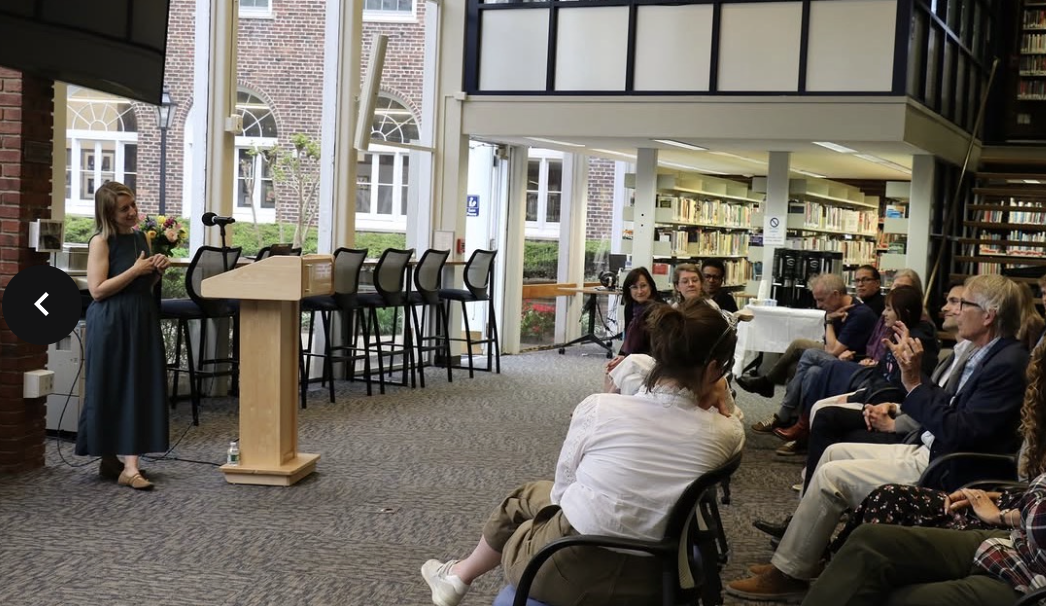
As they have done in past years, many staff and faculty members of the Poly community brought their traditions of celebrating the holiday to school this fall. Poly’s very own altar, set up by Iracheta, was set up in the library, “filled with pictures of loved ones who have passed and people that the community admires.” Iracheta even brought students from her Advanced Spanish IV and Advanced Topics in Spanish Language and Affiliated Cultures classes to the altar, where they had the opportunity to leave a letter to somebody who had passed away. Iracheta shared that she felt it was very special that there was an altar in the library and that Poly was recognizing the holiday. She described this feeling in greater detail, saying, “I am very happy that we have our own altar in the library and I can take my students to observe it.”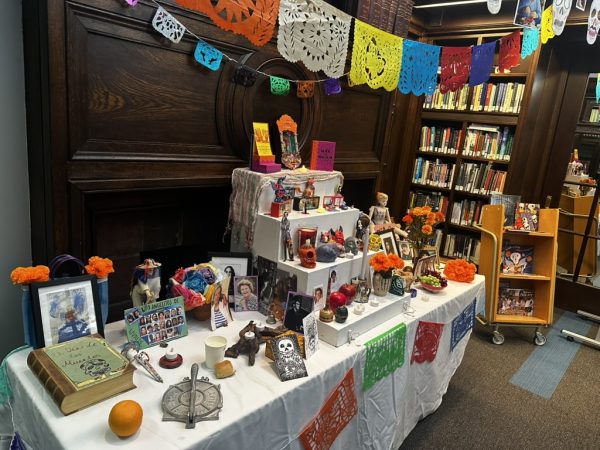
Iracheta described how she felt the principles of Día de los Muertos are universal, and that truly anyone can celebrate the festivities, regardless of whether you are from a region that is native to the holiday or not.