
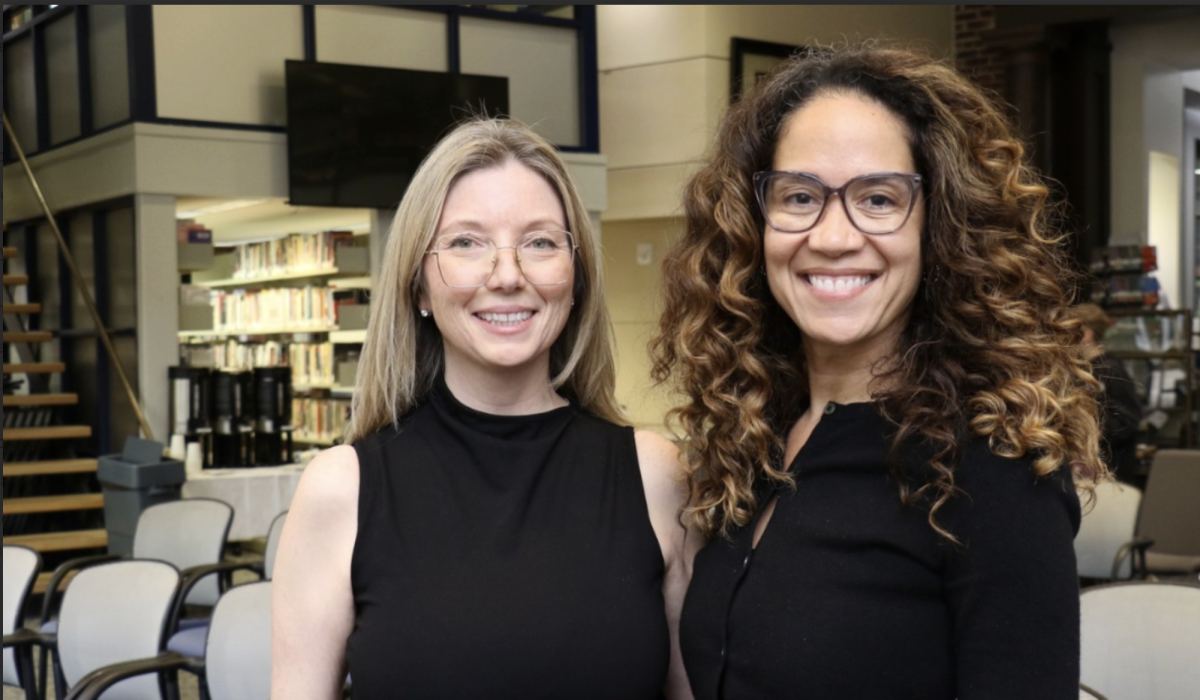
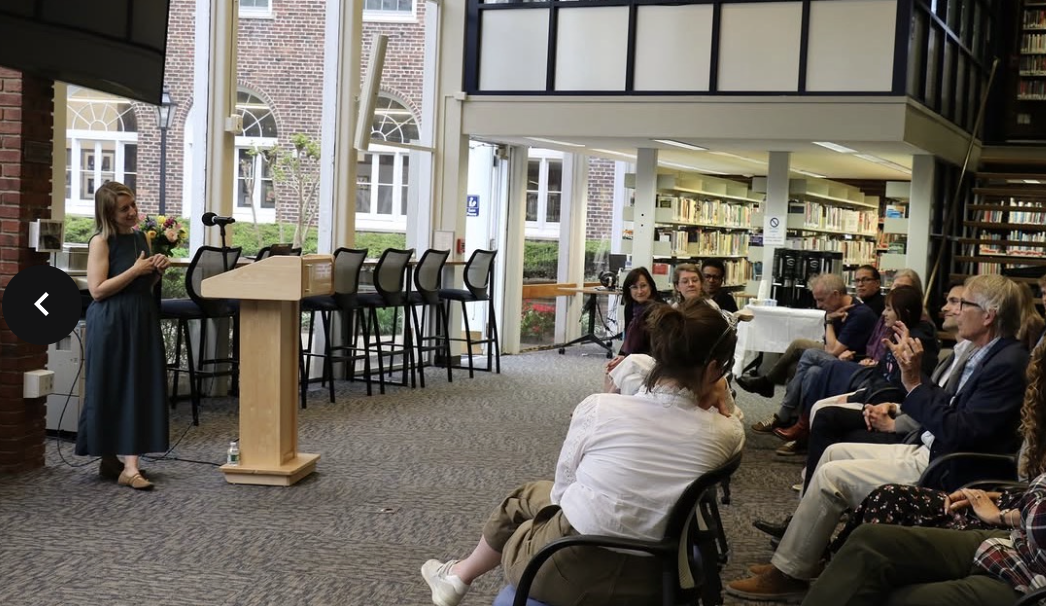
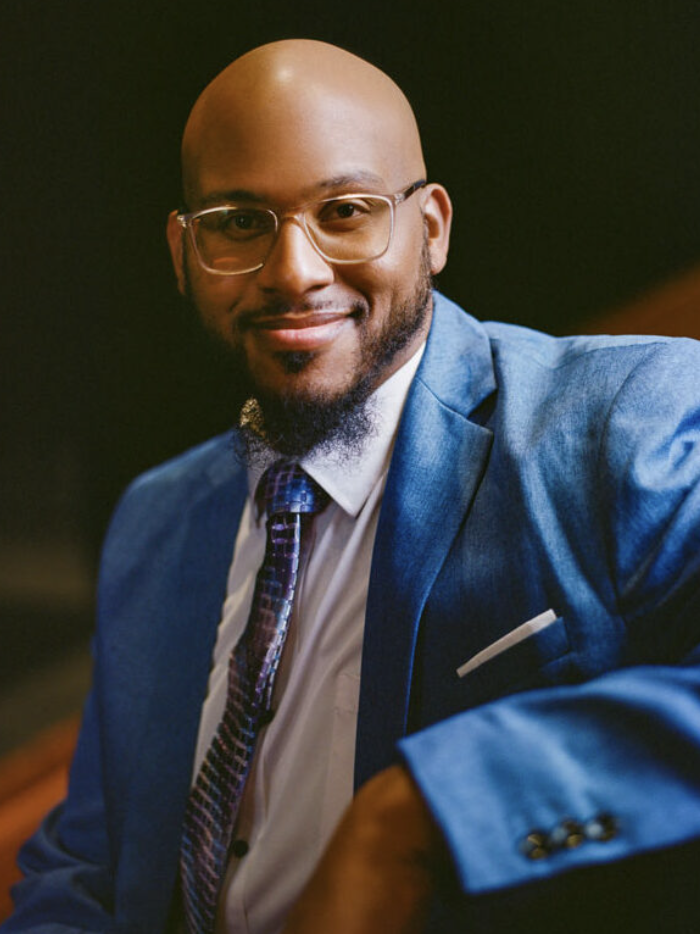



















Poly Prep’s debate team made history this fall, taking first place at the San Diego Gaske Memorial Invitational Tournament this past October. The varsity team duo of Sasha Londoner ’27 and Zahaan Batliboi ’27 went undefeated with a record of 7-0 in the finals, tying for top speaker and earning $1,000 scholarships to San Diego State University. Not only did the four-day trip include victories, but it was also full of camaraderie and passion that defines the team’s culture.
Months of Preparation Behind Every Win
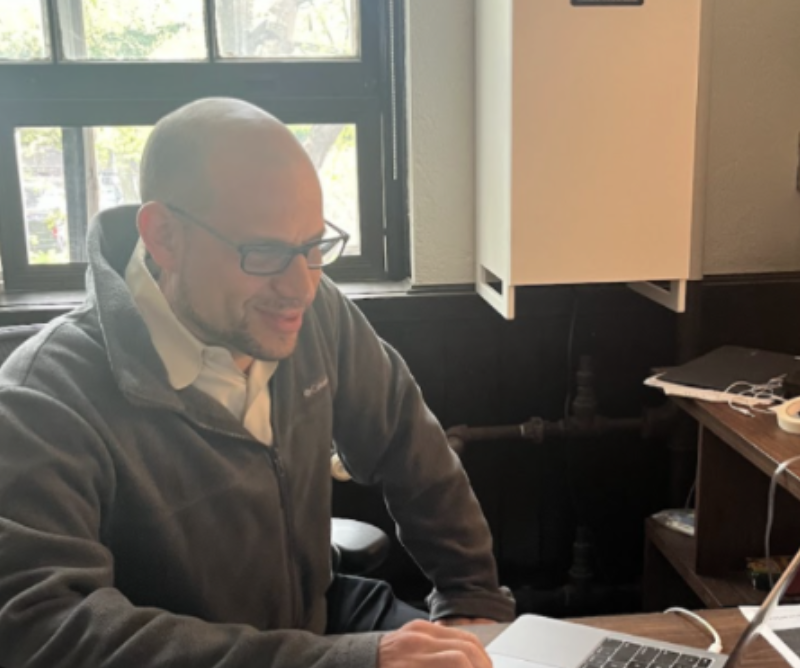
For the Director of Debate Sohail Jouya, success reflected months of careful planning and practice. “There are two non-mandatory practices per week and a preseason,” he said. “Our goal is to inform students of substantive concepts, arguments, and positions to be aware of, including predictions of what other students might read.” This year’s topic—the controversies surrounding the development and expiration of the arctic—pushed debaters to explore issues ranging from international relations and scientific diplomacy to decolonization and climate change. “At preseason, I had no idea what scientific diplomacy, arctic science, or Russian appeasement even meant, but after hours of practice, it [became] completely ingrained in my mind,” Clara Sarcos ’29, first-time debater, mentioned. “The team helped me a lot—we go to workshops and our practices are informative. Recently, we did a mock debate that released the pressure of an actual debate, which helped us learn from our mistakes instead of constantly looking for perfection.”
Intense Training and Strategic Thinking
For Londoner, this season’s topic demanded long hours in the library and many weeks of practice. “I would write and drill different arguments, refine my language, and communicate with judges,” she said. But the team’s training extends beyond simple research. Debaters also learn to adjust to different judging styles and manage travel logistics, as the team competes domestically almost every weekend. Together, they represent Poly’s new, but incredibly successful policy debate team—in addition to its historically victorious debate program.
Work Hard, Play Hard
The debate team has a “work hard, play hard” philosophy, which they carried with them to the San Diego trip. After three days of intense debating, the students found time to relax at the beach, play volleyball, and even visit Dave & Buster’s. “It’s essential that they get to experience where the tournament is,” said Jouya. “An itinerary is curated, and the students have opportunities to have fun—whether it be a culinary experience, laser tag, or a museum visit.” For Poly debaters, tournaments are more than competition—they are opportunities to bond, explore the surrounding area, and tour the university they are debating at—which in this case was San Diego State University.
A Winning Combination of Focus and Creativity
The balance of focus and fun paid off for Londoner. “I felt well-prepared and confident heading into the San Diego Gaske Memorial Invitational Tournament,” she said. “Going undefeated felt reassuring—it showed that the new arguments we were running were effective.” Londoner and Batliboi’s main strategy drew inspiration from postmodern nihilist Friedrich Nietzsche, forcing opponents to re-evaluate all values, emphasizing individualism and the rejection of objective truth in favor of multiple perspectives. “They acted as intellectual trolls,” Jouya joked, “but it worked. Their opponents weren’t ready for those arguments.”
Learn and Laugh, Take Both
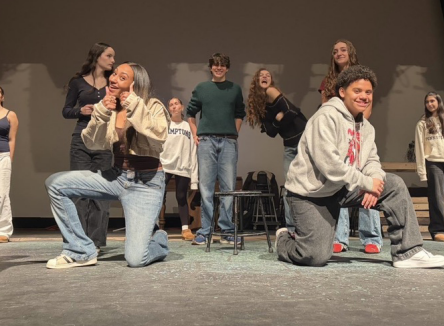
While competition drives the team, it’s the community and culture that keeps the debaters motivated. “The atmosphere is fun and lighthearted,” said Londoner. “We talk about complex political issues, but we can still make jokes and bond as a team.” The team lives by the motto: “If you’re not laughing, you’re not learning.” This sense of unity extends beyond winning rounds. Senior captains Eric and Ava Barbiere, along with Londoner and Batliboi—nicknamed the “Core 4,”—have set the tone for an inclusive and inspiring team environment for the younger debaters. “They model what leadership looks like, not only through debate, but by living their fullest and most authentic lives,” said Jouya.
An Injection of Enthusiasm
Poly’s debate team, which competes nationally throughout the school year, is experiencing a resurgence in energy and growth. “The state of the program needed an injection of enthusiasm,” said Jouya. “San Diego was about building culture, community, and success that can inspire our novice debaters.” This sentiment resonated throughout the team. “The takeaway from this tournament was resilience,” remarked Londoner. In the preceding tournament, the duo of Batliboi and Londoner lost in the octo-finals. “I was really upset and [the loss] was disheartening,” Londoner said. “Going to this [tournament] and realizing one loss doesn’t mean you’ll never be successful was a very important lesson for me. Being able to find success encouraged me to keep going.”
Looking Forward
With several national tournaments still ahead, the team’s focus is set on qualifying for the Tournament of Champions, the most prestigious event in the high school debate circuit nationally. During the recent NYC Invitational, team captains Ava and Eric Barbiere exited as octo-finalists in the bid round, losing to a close 2-1 decision against Basis Peoria, an Arizona-based school with a well-renowned debate program, barely missing qualification for the Tournament of Champions. However, this loss didn’t bring down their hopes. “The Barbieres have been working towards the finals since they were in middle school—and this was the closest they, and anyone from Poly, has ever been to qualifying,” said Jouya.
Debate with Purpose
“The debate team doesn’t simply stand for research and arguments collected and made without purpose—it is the representation of critical perspectives on social justice—beliefs we have internalized in our souls, which spreads to how we treat others,” said Jouya. “Through debate, we liberate ourselves.” Poly’s debate program is ultimately a team that competes nationally and grows academically. Their culture of learning, leadership, and social awareness continues to propel them forward.