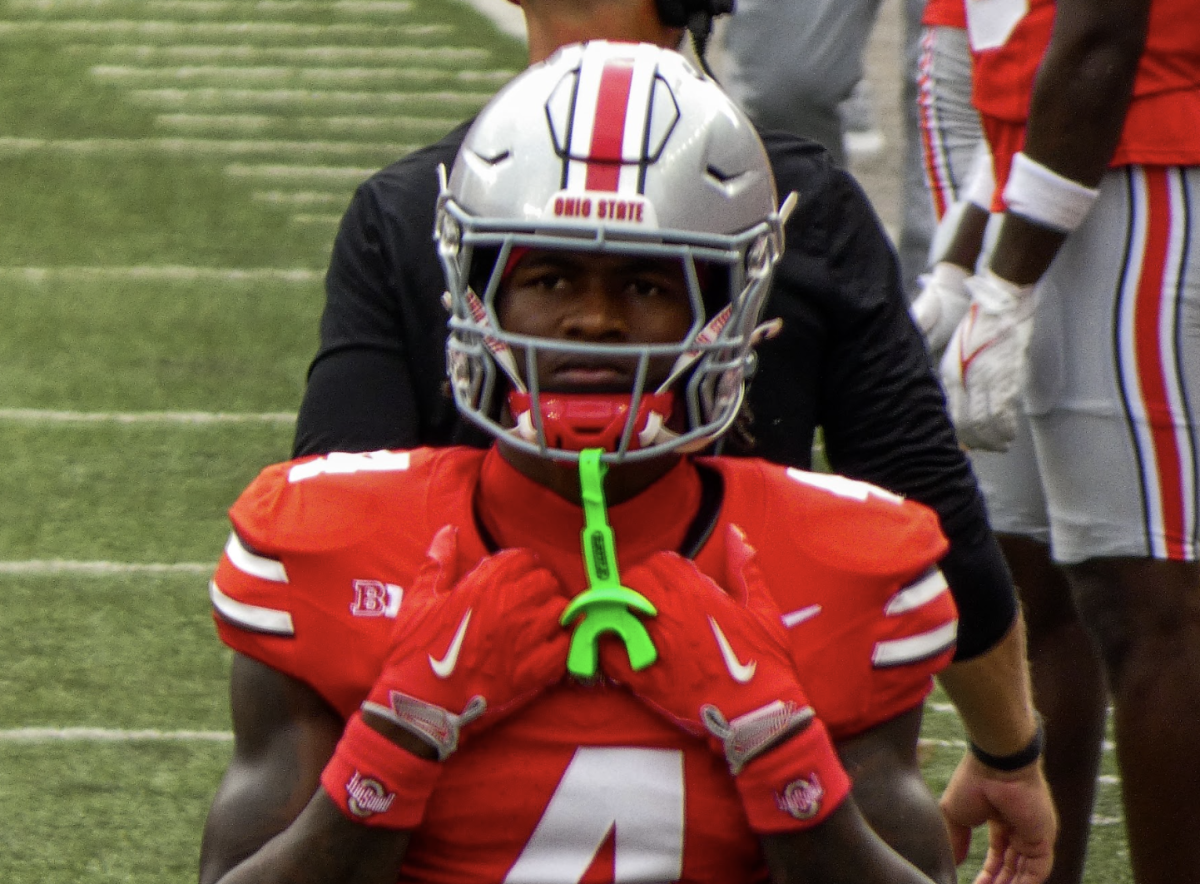




















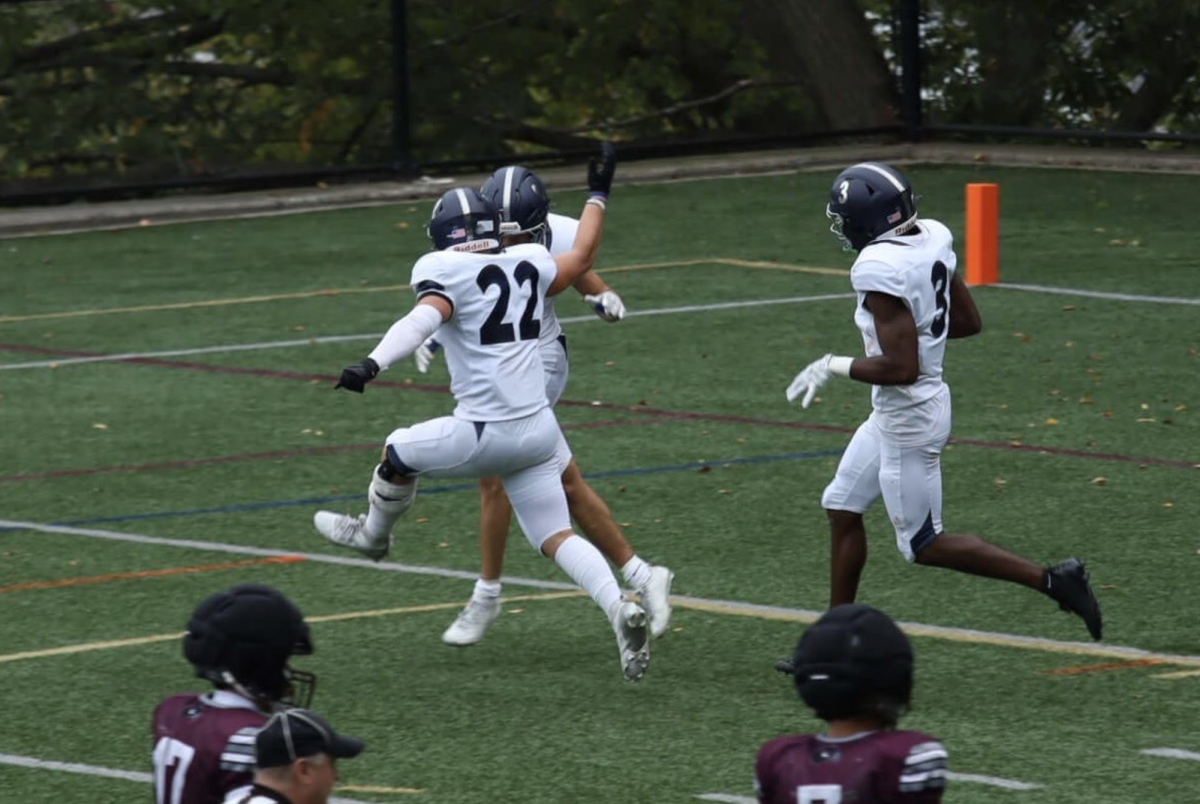
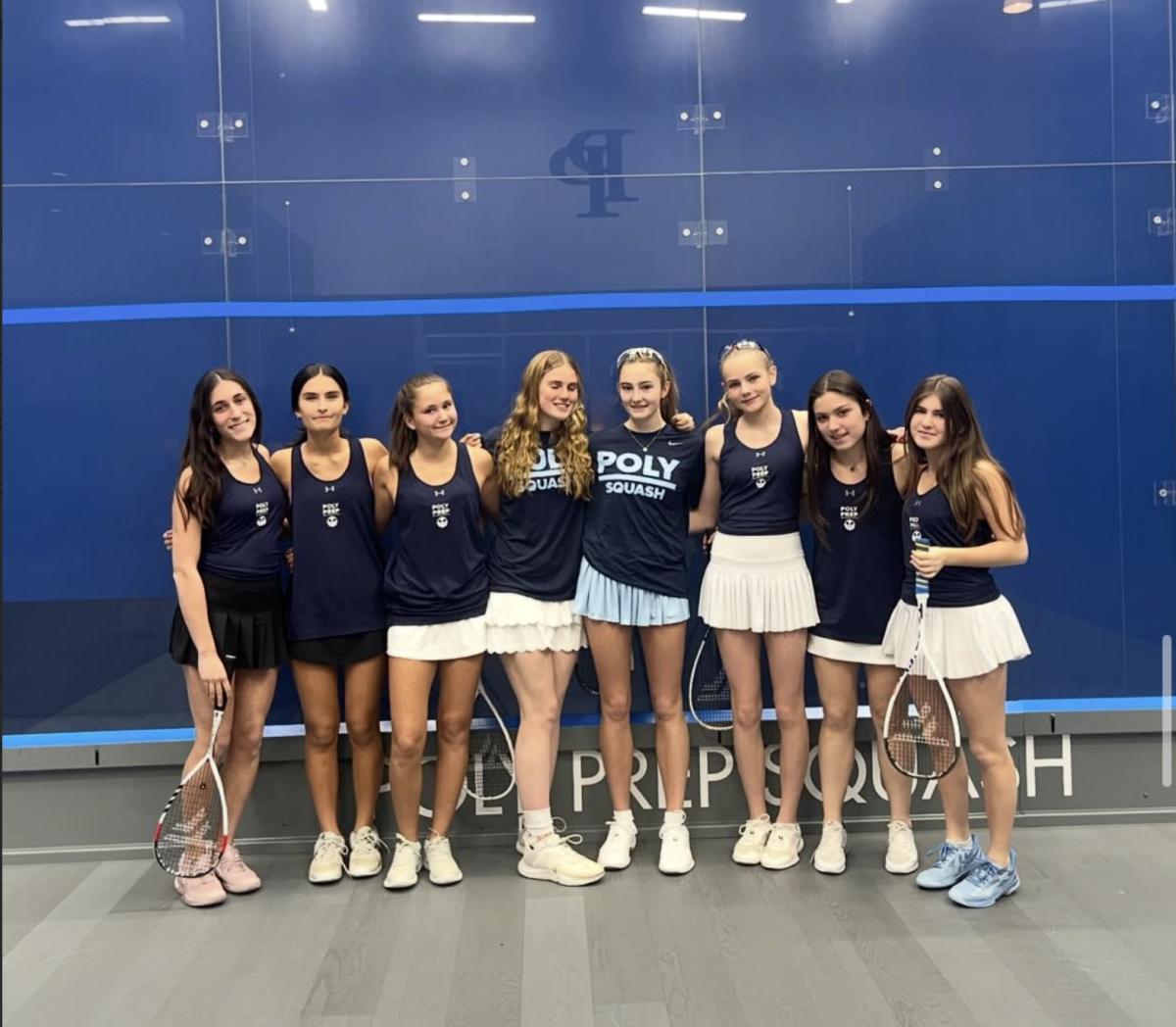
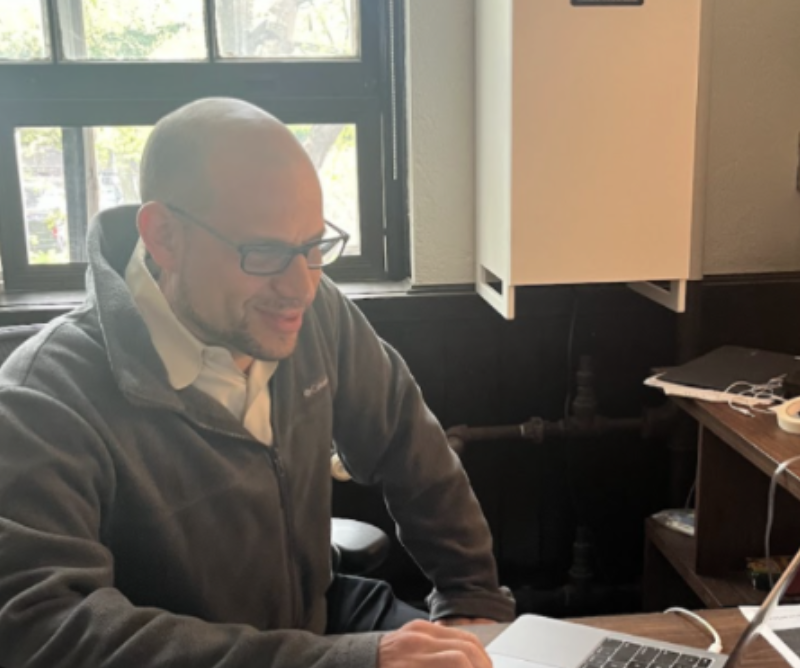

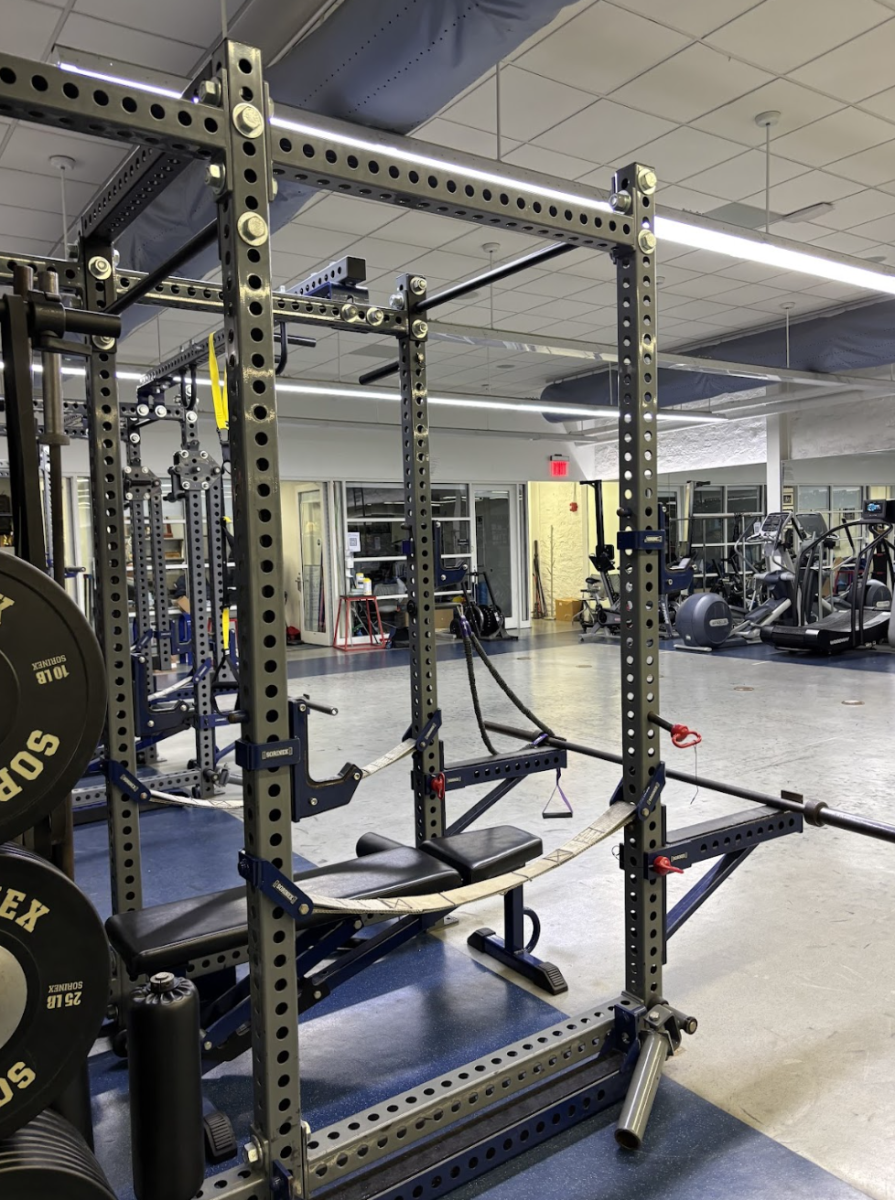
Every Poly Prep team experiences pre-season training in its own unique way, building the individual strength that will later become the foundation of the team’s successes. While Poly may focus on the excitement of games and consistent wins, athletes are constantly working behind the scenes in preparation. Students are often found in the weight room during lunch, on the field in their free time, or playing in basketball “open runs” after school (when any students can come together to showcase their skills in front of coaches). Facilities and equipment are available to all athletes throughout the entire school year, and coaches are readily accessible for training.
For many high school athletes, the off-season is viewed as a break from the intensity of competition. However, for Coach James, Director of Performance Fitness, and the Poly Prep athletics program, the off-season is when the real work and improvement take place. He shares this philosophy of discipline and growth with the majority of the Poly athletic community. James was an All-American runner at Southwestern Christian College and LIU Brooklyn, competed with Jamaica’s 2004 Olympic 4×400 relay team and won the world indoor championship in the mile relay. He earned his master’s in exercise physiology from LIU Brooklyn, studying how the body responds to physical activity. James’s wisdom remains evident in Poly’s weight room, on the field, courts, pools, and even in the Poly Prep classrooms, whether he is directly training senior athletes or lecturing incoming freshmen.
“My main goal for athletes preparing for the off-season is creating athletic resilience and a habit of excellence. We do it through strength and conditioning, and we utilize a periodized program,” explains James.
The Three-Part Training Approach
James emphasized three significant parts of the training that he instills in all Poly Prep athletes. It begins with the biomechanical aspects, which surround the laws governing the body’s structure and movement. The second aspect is the biochemical part, which focuses on how to train your body to support and sustain intensified movement. Lastly, there is the “psychological edge”, or mental resilience. He emphasizes the importance of how he keeps athletes self-motivated throughout the off-season, pushing through discomfort and staying focused under pressure.
Biomechanical
In the biomechanical stage of training, the goal is simple: move better to perform better.
At the beginning of training, James takes time to evaluate his athletes, asking them questions about their goals and willingness. From there, the training begins with teaching technical proficiency (the correct form and movement patterns) and then building strength into that proficiency. This part of the training focuses on balance, posture, coordination and the technical side of every lift or movement. Athletes work on mastering form before building strength, ensuring their bodies are aligned to perform at their best. James explained his primary goal to “help kids move the best way they possibly can”, putting them in “a position where they can produce force with minimal effort, and absorb force while preventing injury.”
He adds that physical stress is intentional and essential for the program’s success: “The stresses that you’re going through are designed to increase tissue resilience. They simply make muscles stronger, make tendons a little bit stronger, make the ligaments more resilient to overstretching, and allow the joints to go through a full range of motion with the appropriate force vectors.”
By improving movement and quality of body control, athletes not only build power but also protect themselves from injury. They are creating the foundation for every other part of training and performing that follows. The skills developed in this training will not only lead to success in the Poly Prep teams but will support health and resilience throughout their lives.
Biochemical
While athletes are mastering their movements, they should equally be training their bodies for endurance. This stage focuses on the biochemical process of turning adenosine triphosphate into energy, which James explains to “sustain movement over the duration of competition”. This means conditioning drills that will help athletes manage their fatigue and develop necessary stamina.
These drills include interval running, agility drills, resistance training, and sport-specific exercises. By repeatedly pushing themselves, athletes will teach their bodies how to recover quickly between plays and perform at a high standard.
“Coach James is very adamant about us working with him in the off-season. It’s all strength and speed-based workouts, but he really shapes the workouts for soccer-specific movements. It’s a lot of running and intervals and stamina-based work,” explained senior Jedi Scott.
Along with proper exercise, nutrition, hydration, and avoiding overtraining, these lifestyle factors support energy production and recovery. James emphasized the importance of taking care of the body, explaining that biochemical training is not just about being physically strong, but also about being physiologically prepared to perform at a high level from start to finish.
Psychological
“My top priority is creating that mindset of growth, allowing the students to understand that during this off-season period, there is going to be a lot of opportunity for learning in the clothing of failure.”
For James, growth hides “in the clothing of failure.” He believes the off-season is when athletes must become comfortable with being uncomfortable, where every challenge, mistake, and repetition contributes to long-term improvement.
“Expect nothing but growth,” he tells his athletes. “The time you spend training isn’t what you want to do; it’s what you have to do.”
James’s mix of body and mind training enables athletes to focus on the movements and skills that are less developed, providing them with the hope of improvement. He replicates game-realistic moments with players to motivate them into understanding how their work will pay off in the season ahead.
“My motivation for our students is having them recognize the value of the present moment and its impact on the future,” explains Coach James.
The value of preparation to Coach James and now much of Poly Prep is evident in all his training and talks with athletes.
Junior Celia Camara explained how “he encourages failure, but he does not encourage complacency and mediocrity. He will motivate you to push past what you think you are capable of.”
The Culture of Dedication
From the track team to the basketball team, James’s approach has helped reshape the athletic culture at Poly.
“What’s happening now at Poly Prep is we’re having a better culture of training versus what we had before,” said James.
James explained how he has seen a clear shift in the value of preparation among students, especially in the younger athletes. Coaches around Poly Prep are encouraging students to dedicate themselves in and out of the season, and in all forms.
Junior Jack Harris states that “it is expressed a lot by Coach De La Rosa to get in the weight room in the offseason.”
“Our Coach’s deep involvement and interest helped the team very well in the pre-season,” said Scott.
The effects are visible: athletes are training more consistently, recovering well, and building stronger habits that carry from one season to the next. What was once just about showing up for practice has become about showing up with purpose. As James put it, the new culture is about creating athletes who take pride in the process, a mindset that’s quickly becoming part of Poly Prep’s athletic identity. In the inspirational words of Coach James: “A skillful warrior does not rely on the enemy not coming to the battlefield. They rely on their preparedness and their impregnability. And that’s how we train. We prepare for anything and everything.”