


















College sports are beginning to enter a new era as endorsements and brand deals are starting to gain more control over college programs and athletes. In terms of securing brand deals as well as increasing popularity, a collegiate athlete is evaluated by their name, image and likeness (NIL). In order to maintain a strong fan attraction to stabilize their NIL, athletes must be both talented in their sport, as well as establish a likable media presence in terms of how they’re perceived. Introduced by the NCAA in July 2021, NIL has the goal of offering college athletes a chance to earn a certain amount of money based on their productivity and image within their sport. This opportunity is specifically appealing to college athletes who are not likely to pursue their sport professionally after college. When it comes to the logistical side of NIL, it typically involves athletes signing deals with brands such as Gatorade, Nike or other consumer heavy products.
I believe that NIL is doing more harm than good to the majority of college programs and players. It leads to athletes shifting their focus from purely their sport, to the ideology of chasing a check. Additionally, I believe that as NIL becomes increasingly potent throughout college sports, schools and programs will begin to use money as a means of coercing athletes into choosing their program. “Universities with generous donors and resources such as NIL collectives can offer a more enticing pitch to players—programs have had to keep raising the financial stakes to stay competitive,” according to Business Insider.
When it comes to the goal of NIL, I don’t believe that as an overall concept it is a necessarily flawed system, however the way it is being executed is only beneficial to certain companies and athletes. The top college basketball players may be the best candidates for NIL, however these same players may be bound to be drafted into the National Basketball Association (NBA). Although NIL isn’t fundamentally flawed, how it currently works effectively favors top college basketball or football players who are likely to leave for the NBA or National Football League (NFL). Furthermore, these top 5% of college athletes are the only real players making real money, sustaining collegiate programs with a very uneven wealth distribution. “Student athletes have—for four years—been able to reap millions from sponsorships—with the top earner currently Arch Manning, who is expected to be paid $6.8 million this year as a quarterback for the University of Texas at Austin,” according to the New York Post. Athletes like Manning are able to earn such a grand amount of money due to both his play on the field and likeability in the media. However, an athlete that has worked just as hard as Manning may never see that kind of money due to their lack of popularity. “Not all athletes benefit equally from NIL. High-profile players in revenue-generating sports, like football and basketball, often secure the most lucrative deals, while athletes in less visible sports or at smaller schools may struggle to attract sponsors,” according to the Little Legends Football, a well-known organization that caters towards youth football development.
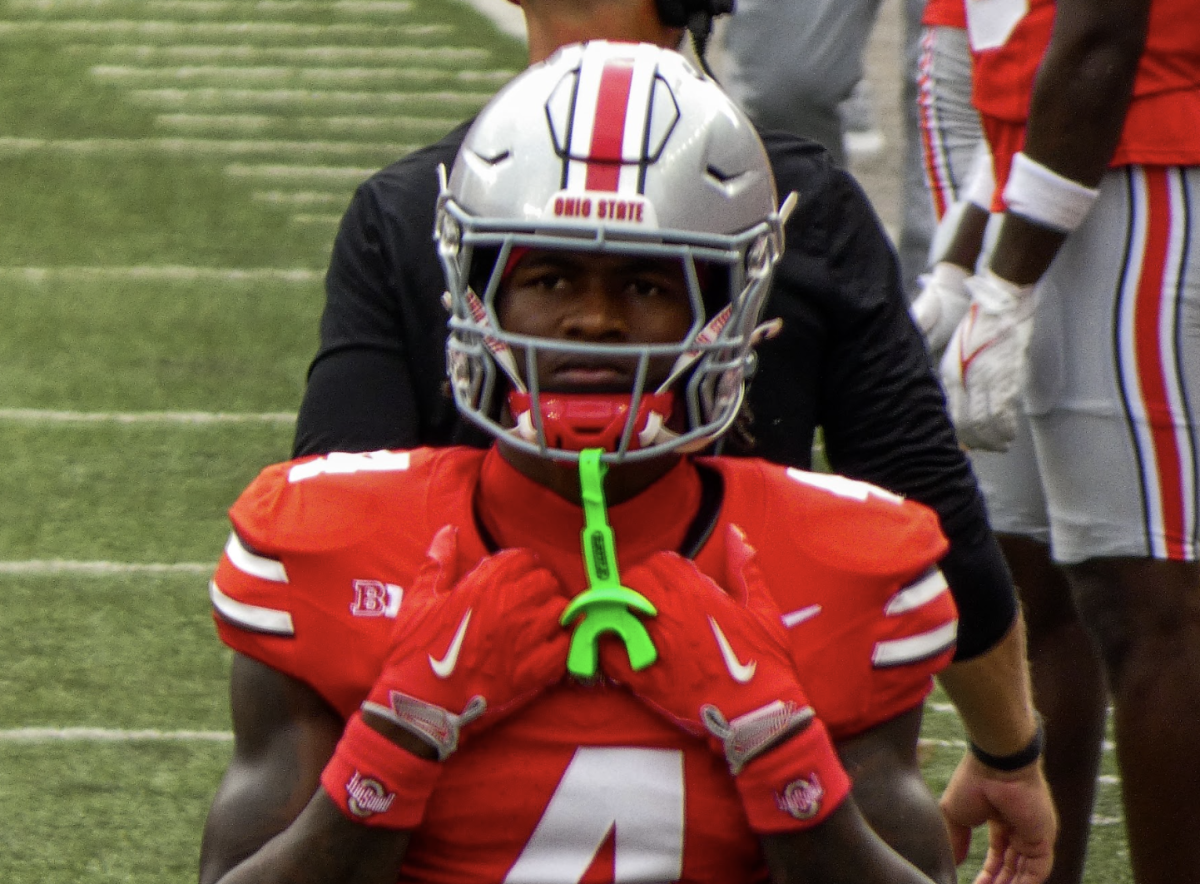
Striving to be compensated financially, although a choice made by the athlete themself, is only made easier when the program that is negotiating has either a reputation or offer too good to pass up. Certain college football programs like Alabama, Ohio State or Oregon are always going to receive the players with the best potential for talent. This is due to their reputation as well as their ability to offer a great deal of money as a result of their program’s success. “Over [2022-2024], the NCAA has also changed its transfer policies, making it easier for athletes to switch schools. According to NCAA data from 2022 to 2024, the number of students entering the transfer portal has risen every year,” according to Business Insider.
Looking ahead, although NIL has given athletes the opportunity to give themselves more financial stability, the drawbacks that it has outweigh and impact many more people than it benefits. NIL is very helpful to athletes of extreme popularity and talent, and is less helpful to those that are less known or skilled within their sport. I believe that a potential solution to this problem could be the creation of college specific contracts. While the best players should still make the most money, the gap that currently exists is one that is too extreme. “While allowing college athletes to be paid at last has benefited the athletes themselves, it seems that NIL might have some negative effects on college sports as a whole,” said University of Michigan.