

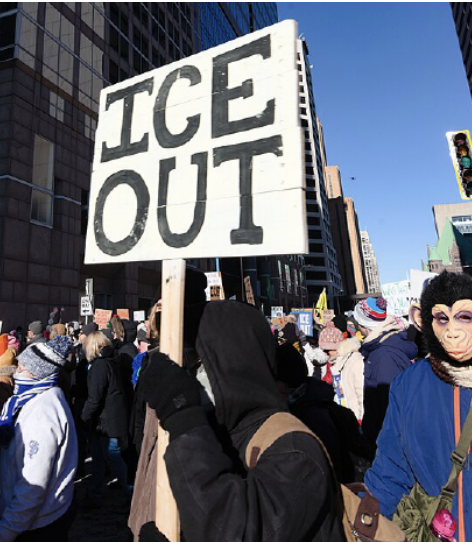











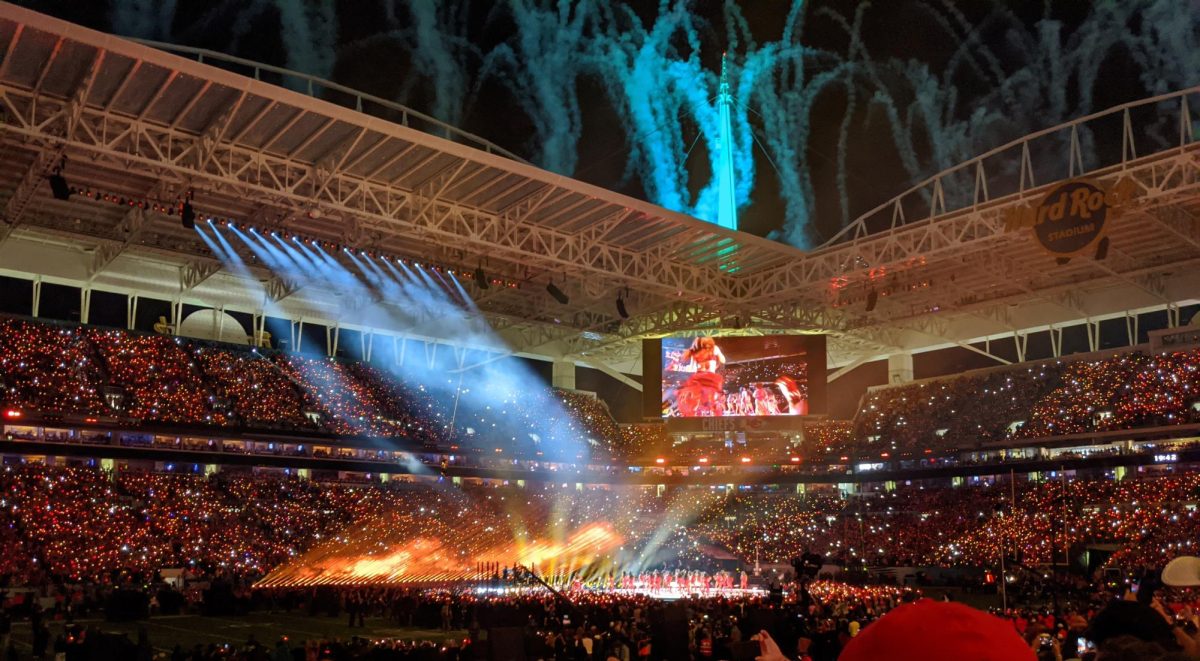
Halfway through the NFL season, popular Latin musical artist Bad Bunny was announced as the Super Bowl LX halftime performer, leading to a plethora of backlash from the media and political enthusiasts. In an instant, political enthusiasts such as Corey Lewandowski took to Twitter to dispute the choice. Lewandowski stated, “it’s so shameful they’ve decided to pick somebody who seems to hate America so much to represent them at the Halftime Show.” This widespread backlash likely stems from Bad Bunny’s criticism of U.S. Immigration and Customs Enforcement (ICE) and other government policies targeting immigrant communities.
Upon the announcement, a common response across social media platforms was an overwhelming amount of distaste for the NFL’s choice in a “non-American” to represent an American sport. Thousands of responses ridiculed the NFL’s attempt of making the sport more accessible to a foreign audience, while also attacking Bad Bunny’s support for anti-ICE organizations. Similarly, President Donald Trump called the choice “absolutely ridiculous.” However, NFL commissioner Roger Goodell attempted to support the NFL’s decision, stating “I don’t think we’ve ever selected an artist without some blowback or criticism.” On the other hand, some NFL fans stated that, “All of his music is in Spanish,” and “we won’t even understand what he is saying.”
A common controversy comes from Bad Bunny’s tour he hosted this year, and his decision to cancel all shows in the United States in fear of ICE making an appearance. Bad Bunny stated, “There was the issue of like, ICE could be outside [my concert]. And it’s something that we were talking about and very concerned about.” Alternatively, many celebrities found the announcement empowering for the NFL’s global audience, alluding to the fact that this would create a unique opportunity for the league to appeal to Spanish-speaking fans all across the globe.
Popular musical artist Shaboozey stated, “It’s really cool. I think he is a global superstar, global icon and an American citizen. There is no better choice.” While many fans opposed the NFL’s goal of making the sport more global, other supporters advocated for the change, believing that it would enable a wider audience to unite and experience a global sporting phenomenon. Previous NFL halftime performer Jennifer Lopez agreed, expressing her unwavering support for Bad Bunny, declaring “I’m so proud that Bad Bunny, who represents not only Latin culture, but also how important Spanish language music has become on a global scale and how universal it has become, is getting to perform on the biggest stage in the world.” Despite many NFL fans’s disappointment with the announcement, an equal number are endorsing the selection and remain excited for the performance on February 8, 2026.
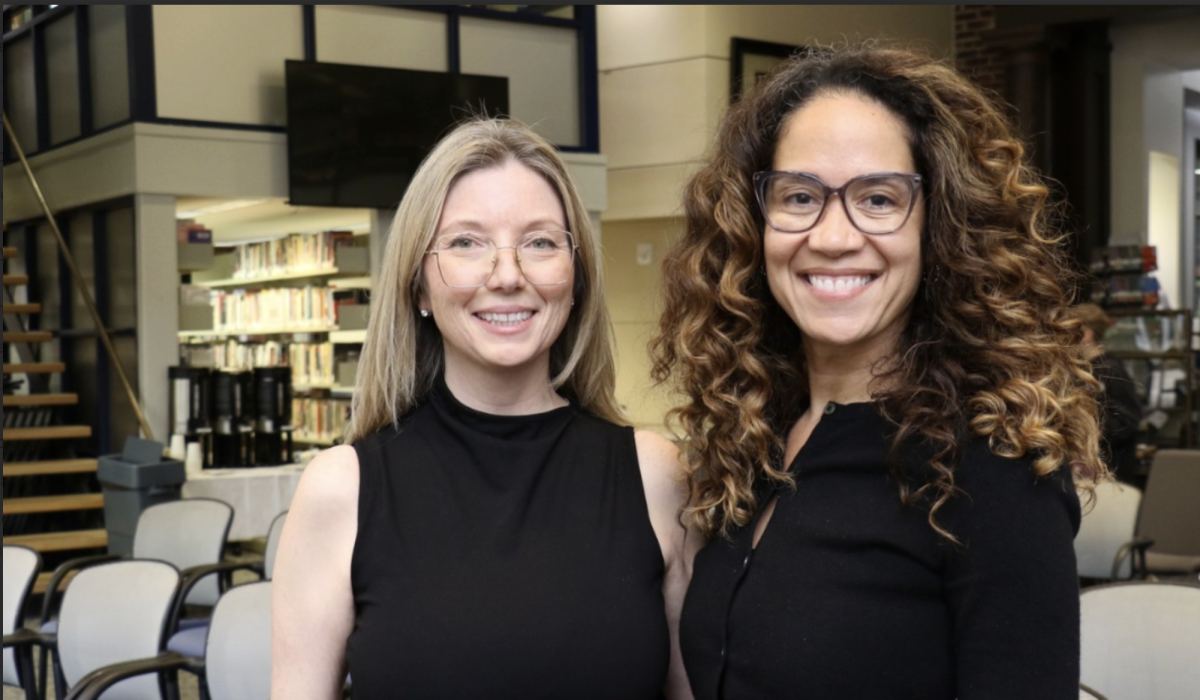
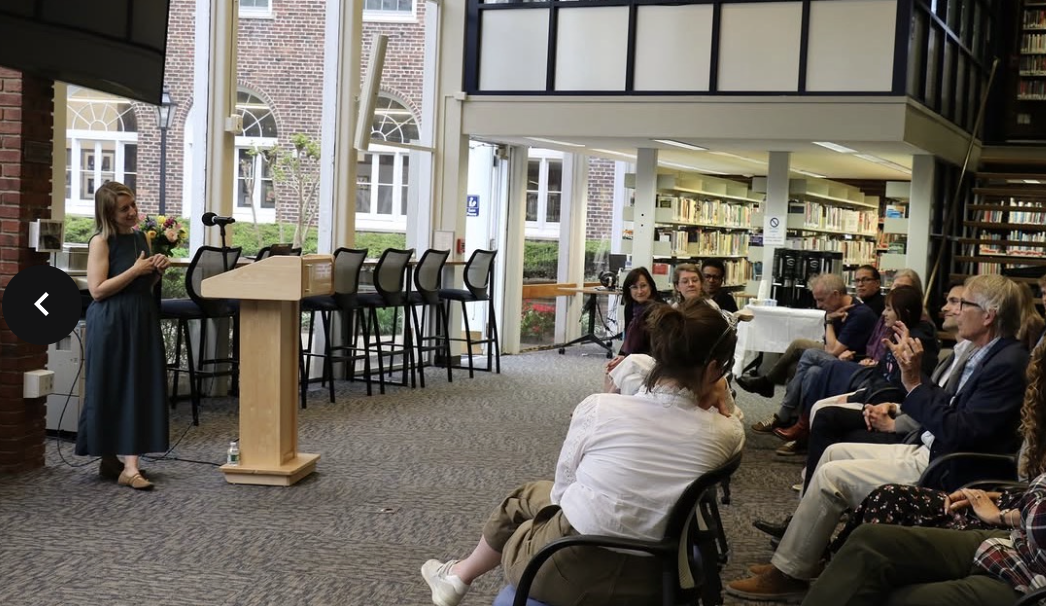
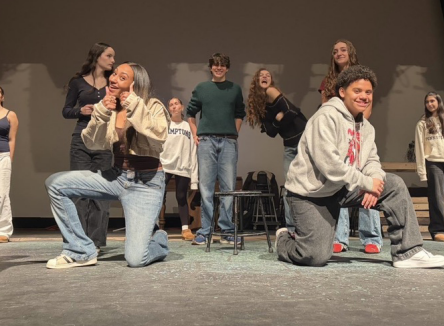
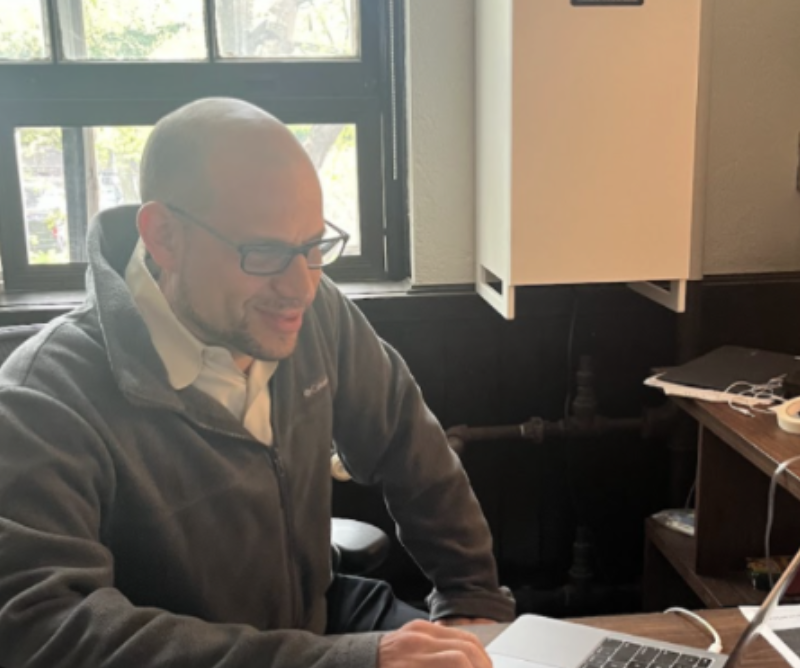
At Poly, students and faculty alike have expressed their excitement and optimism about the announcement. Spanish faculty and avid Latin music listener Alexandra Fisher said, “I’m excited. I am a lover of world music, and including as many languages as possible in a big event like the NFL halftime show makes me really happy.” Fisher is an enthusiastic supporter of Bad Bunny, as evidenced by her excitement, and sees this opportunity for Bad Bunny as “the stars aligning.” However, Fisher also has a clear opinion on the political tension surrounding the announcement and the politicalization of identity in the U.S. She says that “being Brown has become quite political in our country… To have somebody who is unequivocally part of the U.S and is a bold Spanish speaker… I think that says a lot,” referencing the drama behind Bad Bunny’s identity.
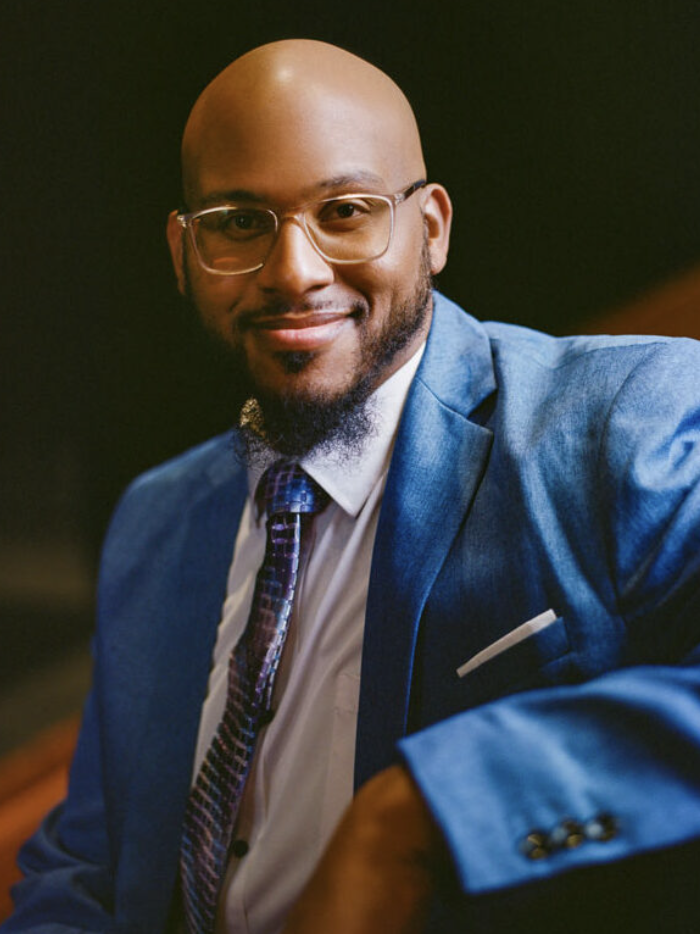
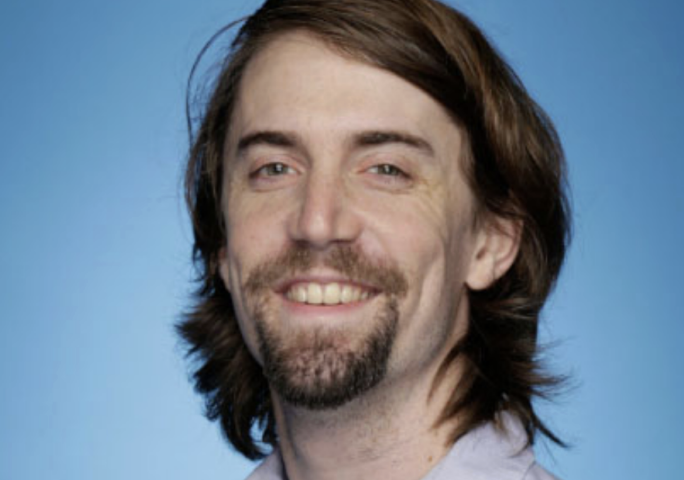
Fisher also supports Bad Bunny’s usage of social media to create greater awareness for the Hispanic community, something that was otherwise frowned upon by some NFL fans. During a time when Hispanic people were receiving online criticism, Bad Bunny used his media presence to draw attention to the struggling community. Fisher said that “I think he’s trying to use his power for the best he can. And so if he sees injustice in the neighboring territory, which is partly his home as well, I think he’s going to talk about it.” Correspondingly to Fisher, football enthusiast Andrew Cooper-Leary, Drama and Theater faculty, expresses his own viewpoint on the situation. Cooper-Leary shared “I think he knows his audience, and maybe he was being protective of it… I think there’s something magnanimous in saying I’m trying to protect people here.”
Upon the announcement, Cooper-Leary didn’t seem bothered at all, having the same reaction he always has when the show is announced. However, when he learned of the backlash surrounding it, he was surprised and said, “If you’re upset by Bad Bunny being chosen to perform at the Super Bowl, you have to ask yourself: why?’”
Overall, a mixed response of support and criticism surrounds the 2026 halftime show, reflecting the political climate and continuous conversations about the role of culture and identity in major national events.