
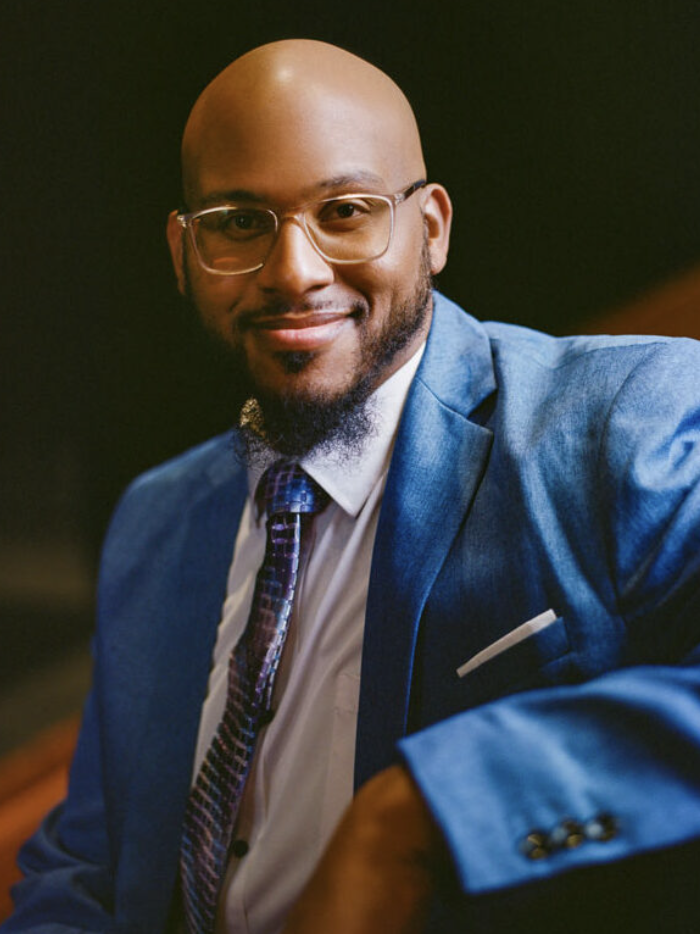











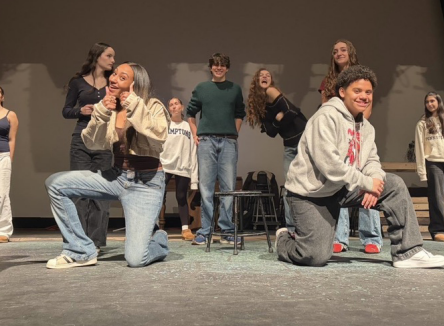







iam Rodriguez-John’30, the newly elected Middle School President, aims to foster inclusivity, cultural representation, and make the Middle School a fun place for kids to remember long after they step up to Upper School. He is focusing on everything from the micro-to macro-level changes, using a holistic approach to help alleviate the problems the Middle School students are facing.
One of Rodriguez-John’s goals is to have more allergy-friendly options for students with dietary restrictions. Rodriguez-John, who himself is allergic to eggs, nuts, wheat dairy, and gluten, aims to expand the options to include students who cannot eat certain foods. “With those allergies that I have, I want to be able to plan things,” Rodriguez-John said. For example, “I have friends here who can’t eat pork. Instead of doing bacon, we might have to substitute for turkey bacon.”
Rodriguez-John’s emphasis on the often overlooked experiences of Middle Schoolers is part of his holistic approach to his new role and works in tandem with his focus on fostering diversity, equity, inclusion, and belonging. “I’m also big on DEIB and bringing different cultures to the Middle School and having people experience different cultures,” Rodriguez-John said. “I am really big on my identity and my community. I’m a black kid; I’m of Caribbean heritage. I have food allergies. I’ve been at Poly for 11 years.”
Rodriguez-John’s connection to many overlooked groups may allow him to better understand the needs of the student body. In fact, “students who feel more connected to school have higher attendance rates, higher academic outcomes, and higher graduation and post-secondary success rates,” according to Ed Research for Action.
As a part of overlooked groups himself,Rodriguez-John is focusing on the inclusion aspect of DEIB. “I want to engage with the whole Middle School. Although I’m in eighth grade, I don’t just want to be there for eighth graders, I want to be there for eighth through fifth,” he shared. Rodriguez-John also hopes to create a fun and engaging community, saying“I want things to be more fun.” These fun events include more interactive assemblies and Spirit Cup point challenges. Events and assemblies are the things Rodriguez-John wishes to be remembered for after his tenure is done, and not necessarily that he was the president. “I want them to be able to not just remember my name specifically, but to remember their middle school experiences as a time to look back on and cherish and forever hold dear to them,” Rodriguez-John said.
In terms of Rodriguez-John’s long-term goals, he aims to bring people together. One key to community–building is to “establish a respectful environment, and remind students of the shared values and expectations in your community agreement,” according to a Cornell University article on teaching. “I want to bring more guest speakers in with different cultures to showcase the different cultures because I want everybody to feel proud of their community; I want everybody to feel included,” Rodriguez-John said.
In the cases of Middle School Student Government and Upper School Student Government, fun is perhaps the most critical component of the student body’s experience. The focus shifts away from the self and to the greater good.
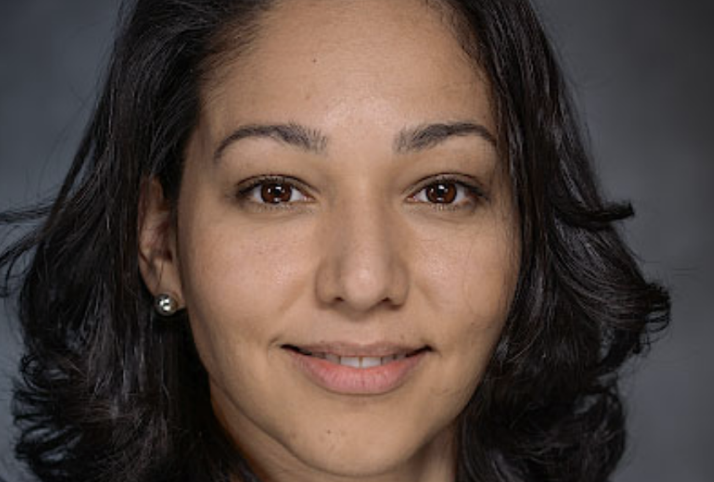
“The main goal of student government is to bring the student body more fun and joy and create things that are lighthearted and make the students’ lives a little easier,” said Upper School Student Body President Anna Brandmeyer ’26. The student government is meant to assist students in their day-to-day lives– from small, quotidian concerns to help find ways for students to manage and cope when stressed out.
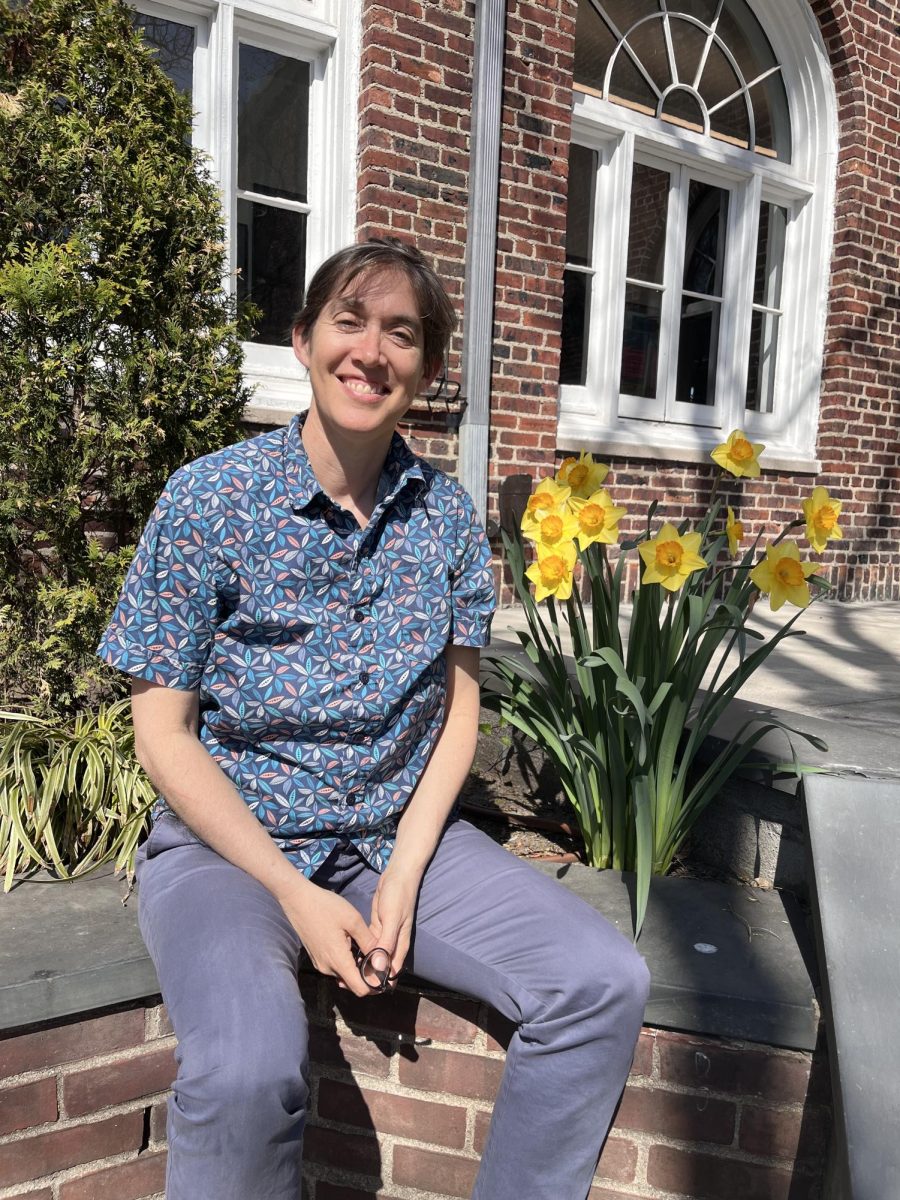
In Rodriguez-John’s plan, “Even larger problems that kids will come to me with, I want to be able to try my best to change… I will talk to Mr. Doughty as best as possible,” said Rodriguez-John. Having peers that students can go to in order to voice their opinions and concerns opens up a line of communication. This in turn allows the appropriate parties to make the necessary changes. Specifically, “The relationship between leadership and school culture is central to both internal development and the broader influence of the school on its community,” according to Frontiers in Education. “Student Government is an outlet for students to voice their concerns to their peers that they would then funnel up to me that I then funnel up to whoever needs to hear it,” said Math Faculty and Student Government Advisor member Stephen Bates.
While Rodriguez-John’s tenure is only just beginning, he hopes to make enduring changes to the Middle School. “An impression and a mindset that we should all want is to be problem solvers and try to benefit our community in all the ways that we possibly can,” he shared.