
















It’s a cold December day; I can see my breath as I make it through the doors of Poly. As I shuffle through the crowded hallways, I go through the basics of last night’s chapter of “The Great Gatsby” to ensure that I’m prepared for Ms. May’s reading quiz that morning. Walking into Ms. May’s room feels like entering a new reality, separate from school. As soon as I cross the threshold, time seems to pause, and suddenly, Ms. May, my peers and I are immersed in a world where Jay Gatsby himself stands before us during his dramatic death scene. Ms. May turns to us, her curly hair swaying as she moves her head from left to right, and finally asks us what we thought of the particularly challenging passage we had to read the night before. We just stared at her blankly.
“Pick up your pens,” she instructed, and we all got ready to once again enter the world of fiction and literature, with Ms. May guiding us through it. “Understanding this is not only important for your growth in English class but for growth as a person,” she said.
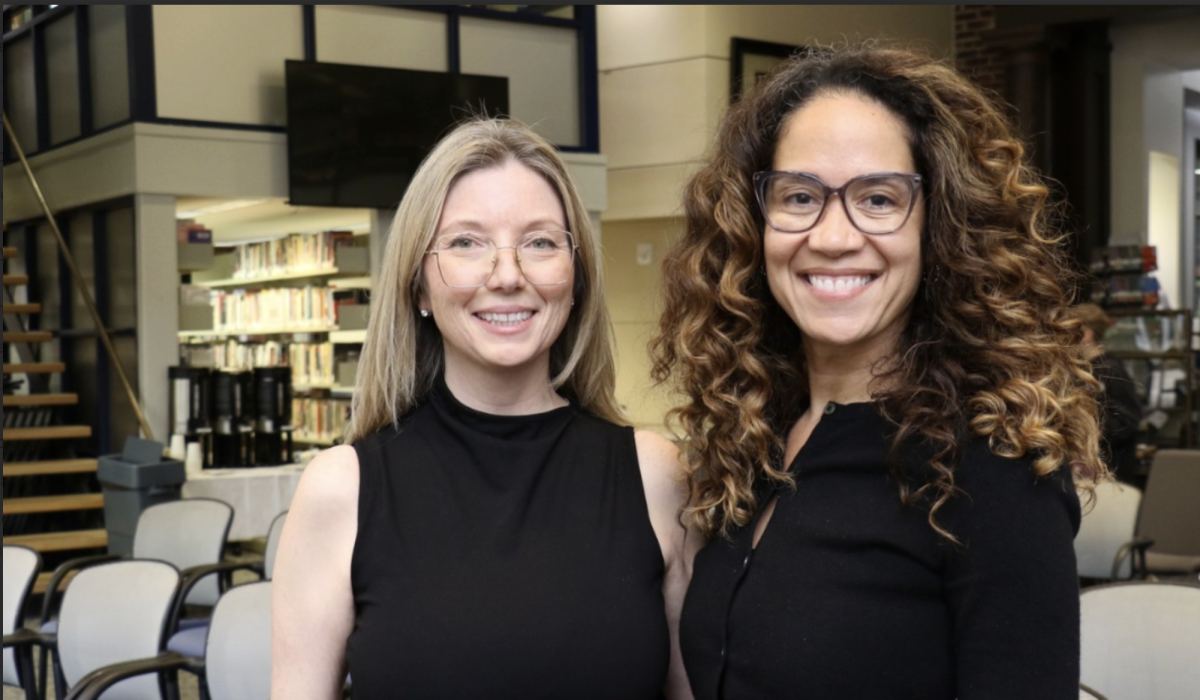
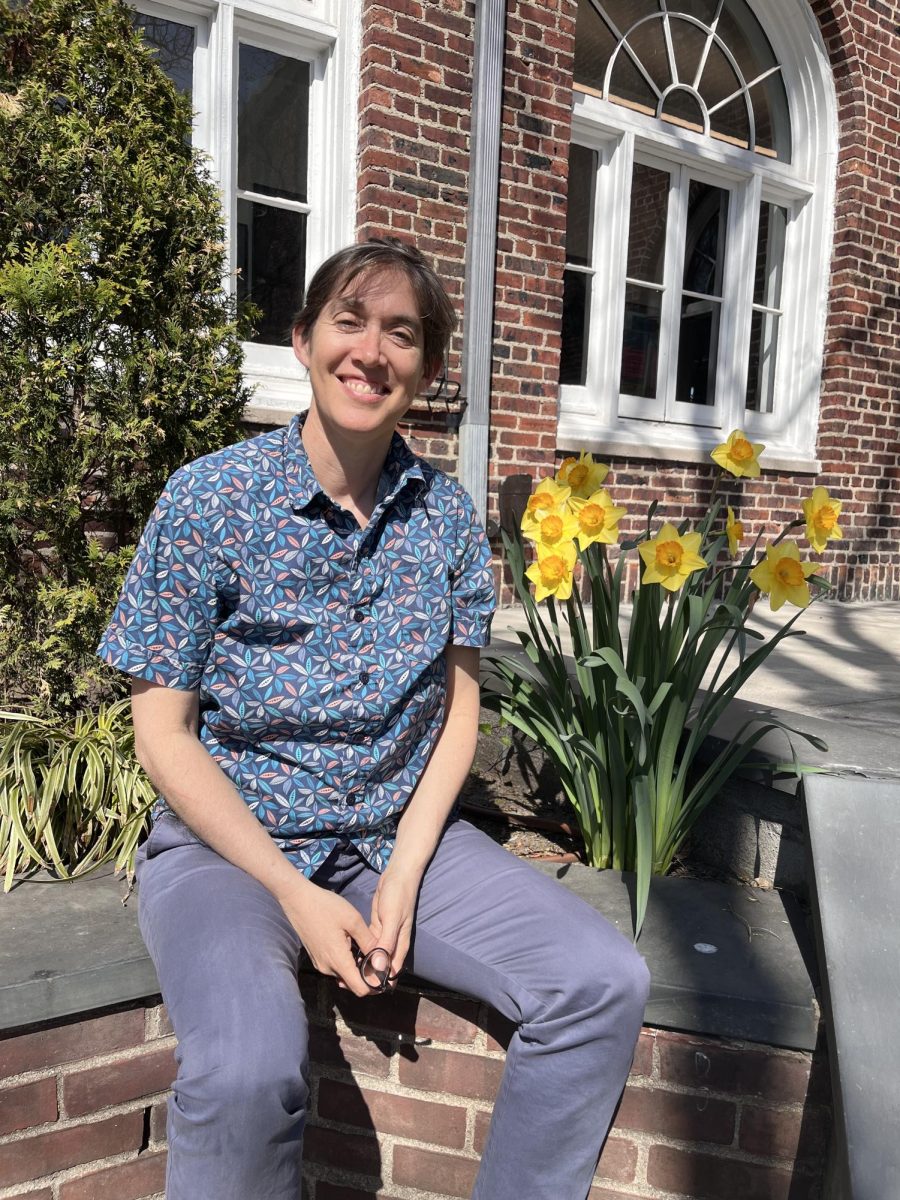
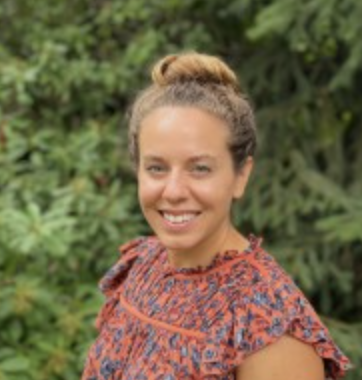
English Faculty Brianna May is a dedicated English Teacher who, according to her biography from the Poly Prep Faculty Directory, believes that “English teachers have the greatest job in the world. We are privileged to spend our careers reading, writing and being in communion with young people as they grow.” Recently, May’s goals to help young people grow through literature have been challenged amid the growing debate over book bans.
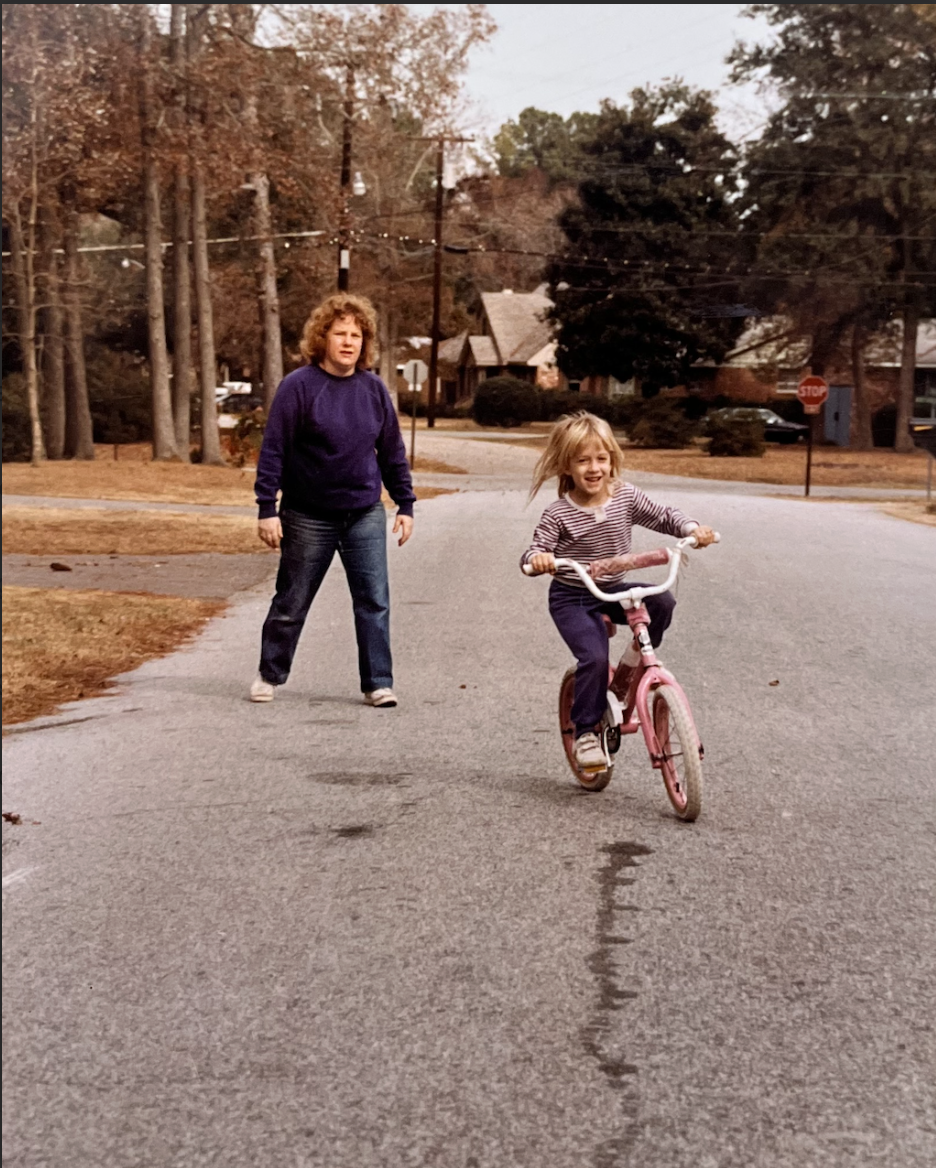
Growing up, May lived in a highly sheltered environment with extremely low racial and political diversity. She was raised in Lebanon, Long Island, one of the least ethnically diverse communities in the country. She went to school with kids who looked just like her and was taught by teachers similar to her in terms of their political views. “My mom wanted me to be a liberated woman, but I think her own education had its limits, her own culture had its limits and so I got to see even beyond what my mom tried to teach me through literature,” May said.
Literature was the only opportunity May had to gain a diverse perspective on topics such as racism, sexism and religion, so she read constantly.
When May attended high school, she found herself in many honors humanities classes, which, for the first time in her life, were filled with students from diverse backgrounds. After feeling invalidated by her uncompromisingly conservative household, May was struck by the demographics of her new classrooms. Many of her classmates and their parents shared political views that aligned with her political views more than with her parents’. “It was great for me because I agreed with my classmates, and it gave me an outlet to think about perspectives that I wasn’t hearing at home.”
“I feel like it’s so necessary to experience initial alienation. And then try to work through it. And then, find beauty, a voice and a perspective that might be initially uncomfortable to you.”
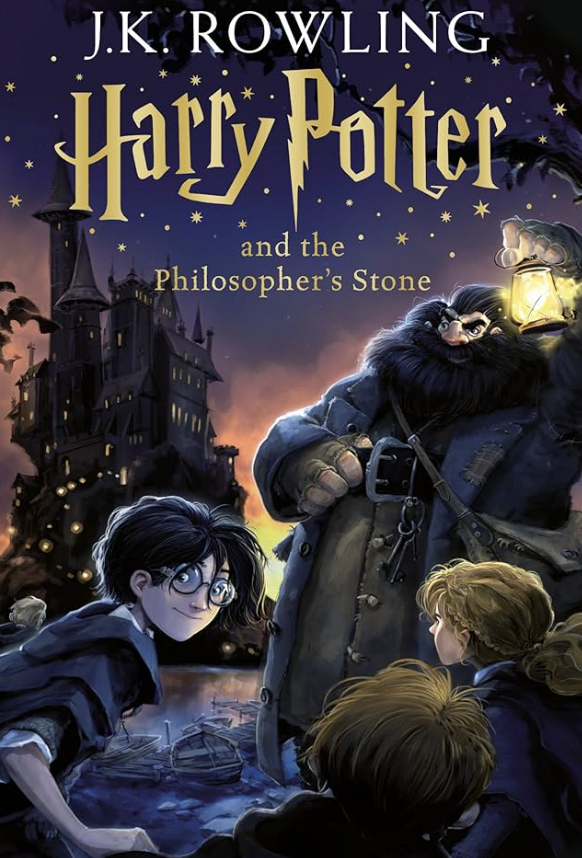
To this day, Alice Walker’s “The Color Purple” is her favorite book to read and teach. In 2026, as conversations about book banning gain momentum, May is aware that “The Color Purple” is among the books that is frequently banned in the United States, as Walker offers perspectives that many would find uncomfortable. According to May, banning books that challenge traditional viewpoints would be detrimental to student learning. “These uncomfortable voices tend to be LGBTQ+ voices, black voices, Latino voices, voices that are typically marginalized or considered taboo…so, banning books is limiting students’ exposure to voices that offer a new way of thinking about things outside of traditional Christian American values.” May’s observation is supported by an article in PEN America’s Banned in the USA, a nonprofit organization whose goal is to protect free expression in the U.S. and worldwide, which highlighted that most banned books grapple with issues such as racism, gender identity and sexuality.
May is dedicated to giving students a broad perspective and encouraging their personal and intellectual growth. According to senior Madeline Gross, one of May’s many devoted students, she has achieved this goal. May has helped Gross and many of her other students become comfortable with being uncomfortable. “I think it’s normal to be able to talk about hard things. I just wrote an entire essay on sex, which is not really the most comfortable thing, but it makes it more normal to be able to talk about things like that,” said Gross. Not only that, but Gross also commented that May’s passion and dedication to literature and her students’ growth have made every class an immersive experience. “I remember the first class when we started reading ‘The Color Purple.’ This one person in my class said, ‘Well, I don’t really think you can blame this character because they’re traumatized.’ It sparked this whole debate where everyone was excited to put their input… I feel like there’s a lot of room for your own perspective in her classes.” Through literature, May has immersed herself in a multitude of worlds and perspectives. Now, as a teacher, she inspires her students and brings them along for the journey.
“English was the class where I found power in my voice. The class where I felt challenged emotionally, spiritually and intellectually was always English class…school would be so boring without English,” concluded May.