













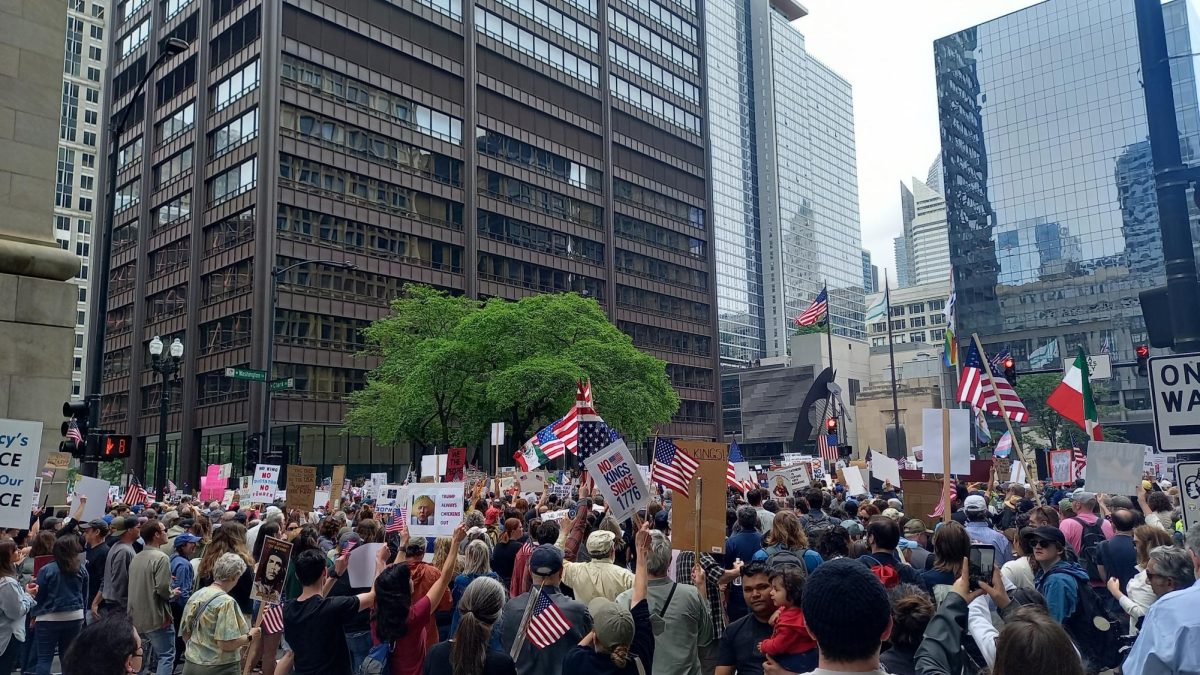
Millions of demonstrators filled the streets in Washington D.C., New York City, and more than 3,000 small towns across all 50 states on March 28, as the “No Kings” movement staged its third major wave of protests against President Donald Trump’s administration, according to The Washington Post. What began in June 2025 as a response to sweeping executive actions and rhetoric targeting democratic institutions, which people called growing authoritarianism has, six months later, evolved into a sustained national movement.
At its core, No Kings is built around the peaceful opposition to concentrated power within the U.S. government. The movement’s name rejects the prospect of having a single leader operating above democratic accountability: a king. On its official website, No Kings calls itself a “movement rising against [Trump’s] authoritarian power grabs” and “defend[ing] democracy,” arguing that Trump’s policies and rhetoric go against the Constitution. The website cites the targeting of immigrants, military interventions and spending, and the reduction of common necessities, such as healthcare and education, as examples of how the administration operates outside democratic limits. “We will not allow this country to descend into authoritarianism or oligarchy in America,” said U.S. Senator Bernie Sanders of Vermont at a 2026 rally, according to Time Magazine. “We, the people, will rule.”
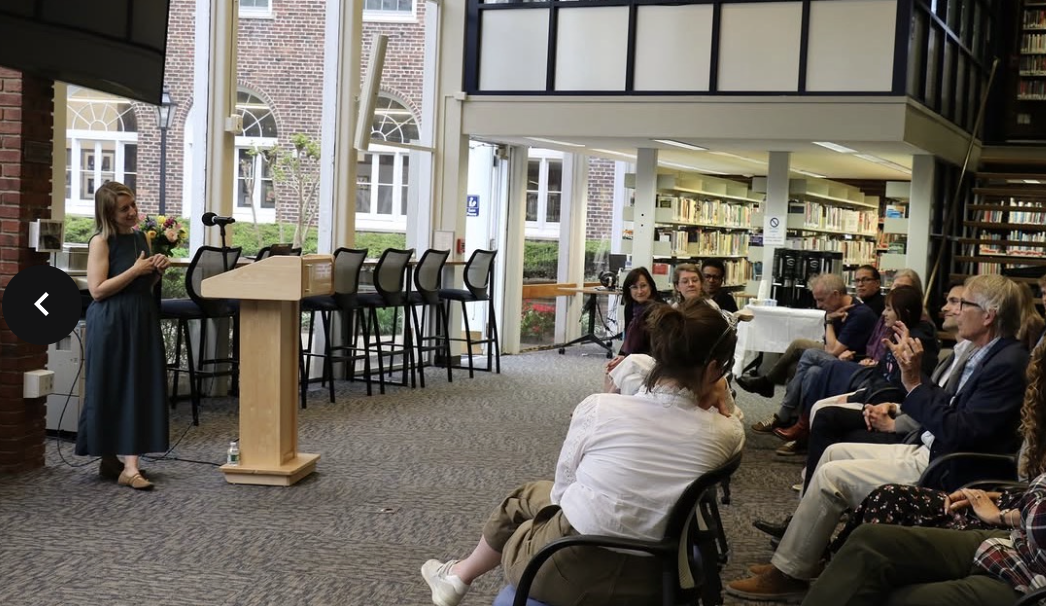
The movement’s message is intentionally broad. “Whoever shows up to No Kings is almost entirely people who are already anti-Trump,” said Elijah Sivin, Director of Service Learning and History Faculty. “After being fragmented… I think Democrats started to believe in themselves again as a political party because movements like No Kings gave them a shared cause.” This flexibility has allowed No Kings to unify a range of progressive and moderate parties under a single, anti-authoritarian banner, which has been one of the organization’s greatest strengths. In a national survey of 3,000 voters conducted by Indivisible, No Kings protests earned net-positive support through favorability ratings; +12 among all voters, +10 among independents, and +23 among moderates. Moreover, while some attendees focus on immigration or labor rights, others emphasize civil liberties, reproductive rights, foreign policy concerns, or simply general dissatisfaction, according to Reuters.
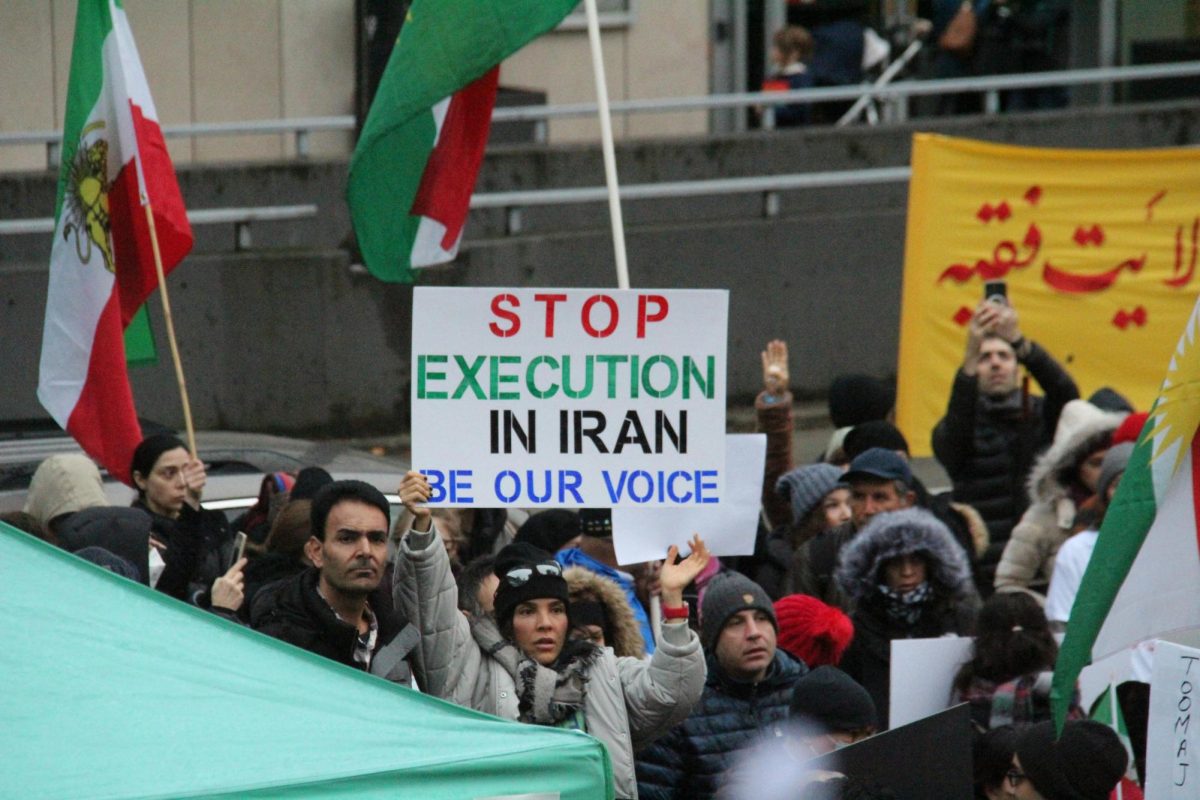
The movement’s rebounding strength can also be largely attributed to the variety of worrying national developments in the last few months. One of the most significant has been the war in Iran, its opposition becoming a major theme at the most recent rally in March. Demonstrators have condemned U.S. involvement in the conflict, pointing to rising casualties, economic instability and fears of prolonged military entanglement. “We’re cruel towards other countries, taking their leaders and deciding those leaders’ fates,” said Hannah Abrams, a No Kings attendee, to NPR News. “I think the people who are in our military are being asked to sacrifice their lives not for freedom, but for money-hungry rulers, and that is cruel.”
At the same time, expanded ICE efforts and activity have reignited national outrage among immigrant communities, civil rights activists, labor organizers, and more. “The number of people held in ICE detention on any given day increased by over 75% in one year,” from 40,000 on any given day to a record-high 73,000 in mid-January, according to the American Immigration Council. Additionally, with the funding from the Big Beautiful Bill Act, “ICE has enough funding to operate upwards of 135,000 detention beds through the end of FY 2029.” For many activists, this represents both a humanitarian concern and another authoritarian encroachment, calling them to action. “It seems silly that…people have to wander around with papers, with their documents saying what they are,” said Mario del Obaldia, a No Kings participant in St. Paul, to NPR News. “It just doesn’t seem quite American.” These developments have further broadened the movement’s appeal, drawing in immigrant and civil rights advocacy organizations that may not have initially aligned with No Kings.
Economic frustration has further intensified No King’s momentum. Consumer prices in the U.S. rose by 3.3% over the past year and by 0.9% in March, according to the Bureau of Labor Statistics. Due to rising costs of living, the public has become increasingly dissatisfied, as concerns were echoed repeatedly throughout news coverage from The Guardian and various other sources. “All Trump is doing is making himself wealthy while taking away from regular Americans,” said Theresa Gunnell, a participant in a No Kings protest in Los Angeles, to Reuters. According to a Reuters/Ipsos poll, Trump’s approval ratings have fallen to 36%,and his economic approval ratings to 29%, creating a political environment in which protest movements can easily rack up support.
A final reason for the No Kings resurgence has been the outstanding organization of the events. Unlike some past protest efforts that struggled to maintain direction, No Kings has benefitted from structured planning and a unified front among Democratic-aligned activists, labor organizers and grassroots groups. “Eventually, No Kings did a good enough job on the first [rally] that they [instilled] their [mentality] and they’re like, ‘all right, next one’s 4 months from now. You gather yourself and come back again,” as Sivin puts it, referring to how most protestors only attend the largest rallies, a preference which No Kings catered to.
Additionally, coalitions such as Indivisible and national nonprofit organizations, including the American Civil Liberties Union, MoveOn, and the Working Families Party, have provided training resources, online tools and coordinated communications to keep participants engaged between rallies, according to the No Kings website. That infrastructure has helped to transform demonstrations into more than one-day events. “This allows protestors to feel that they have made a difference when they do show up and stay connected,” said Sivin. It also means that significant protests have been led in suburban and rural communities, further strengthening the movement’s visibility.
Large turnout numbers spark enthusiasm, but they may not translate to lasting political change. One of its biggest strengths, its unification of many separate ideological beliefs, may encourage fragmentation as the movement fails to define priorities once the initial outragefades. “I think there’s a lot of union about both anti-Trump and specific policies,” said Sivin. However, he believes, “that [No Kings] definitely do[es] not…represent a united policy-focused movement. Without a single, concentrated cause, there is less of a chance for real change.
At the time being, the movement remains one of the most visible signs of national discontent with the administration. More than six months after its creation and initial rallies, No Kings proves that it is not a temporary reaction but an evolving protest network shaped by current events and frustration. Deidre Schifeling, Chief Political and Advocacy Officer for the American Civil Liberties Union, reinforced this sentiment: “Peaceful, people-led movements have always led the way for real change. Millions joined us to send a resounding message that we, the people, will not be intimidated by President Trump’s fear tactics.”