
















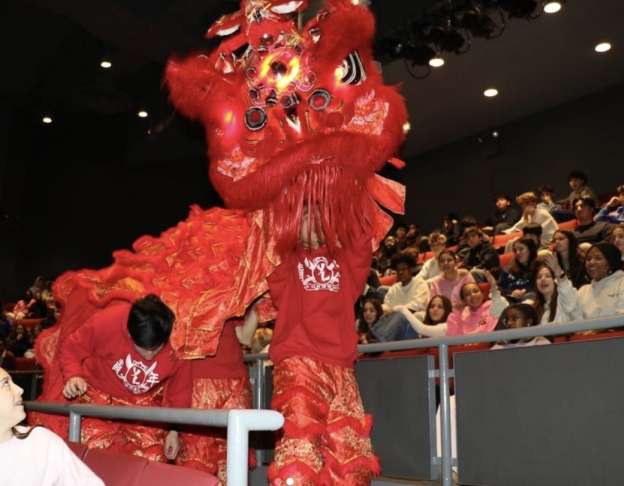
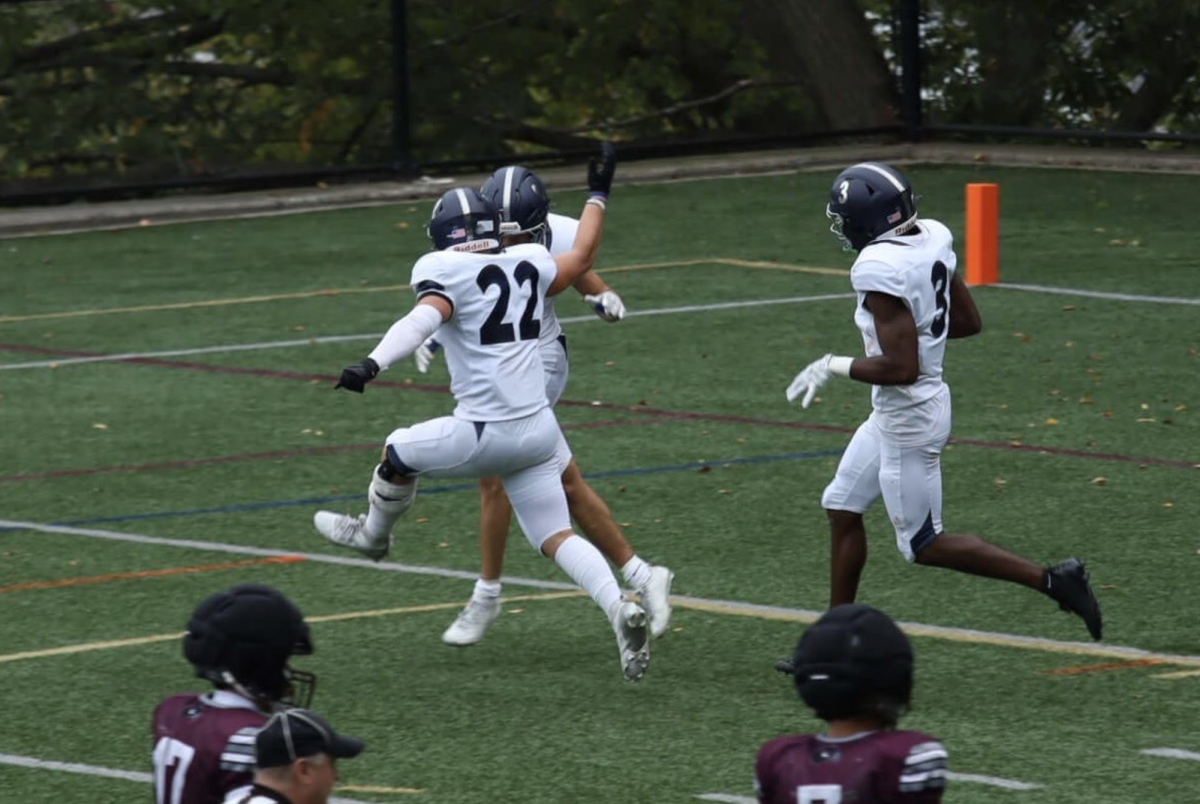


Most Poly Prep students recognize Oasis Night as a high-spirited winter tradition, but few understand its origin. The annual event is closely tied to one of Poly’s oldest and most transformative programs: the Oasis Society.
Today, the Oasis Society is responsible for the Peer Mentor Program. Poly juniors apply to join the Society in the spring, and if selected, begin their mentorship in their senior year. Members of the Society mentor Poly Middle Schoolers who are struggling academically, socially and/or emotionally, helping them set and review personal goals. “It feels good…helping students come out of a hole they put themselves in or are put in by their circumstances,” said Oasis Society Member Sergio Abboud ’26.
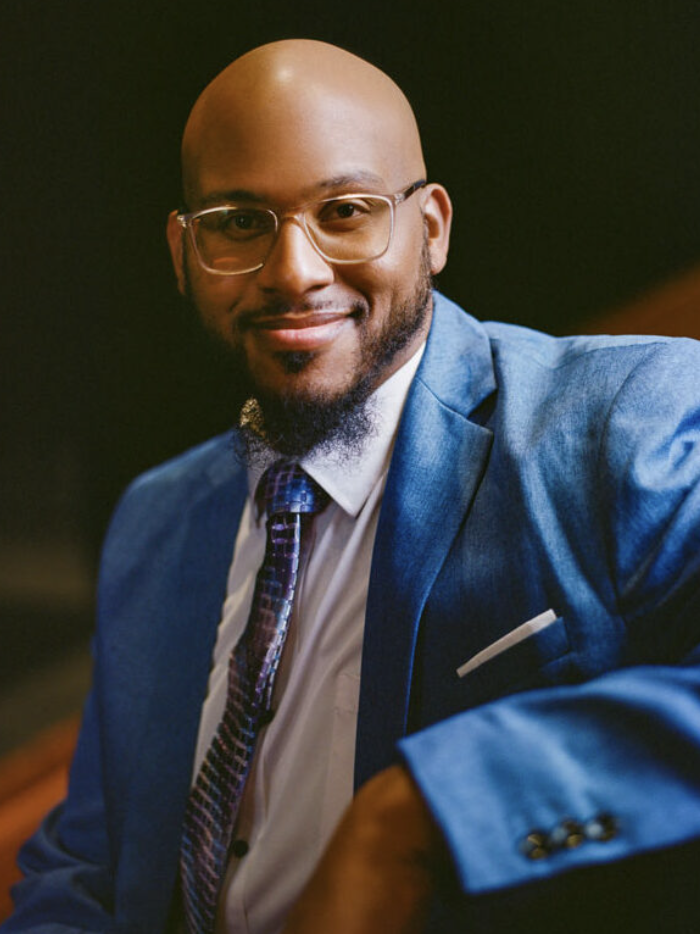
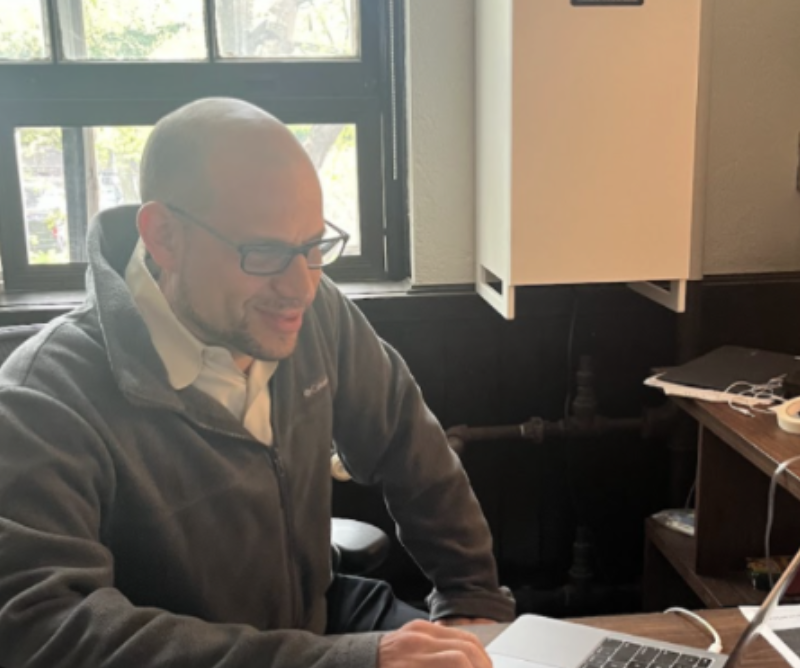
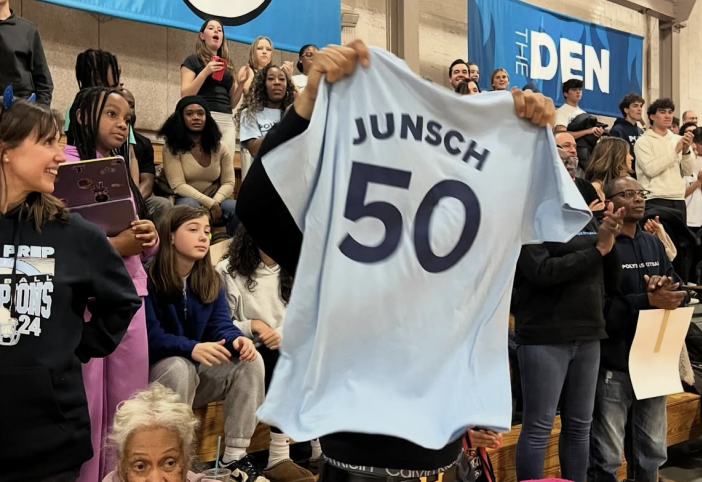
The Society, however, was originally founded as a philanthropic organization. Leading fundraising initiatives over the course of the academic year, the group’s motive was to support “non-profit organizations within the local community and beyond,” said Dean of Students and Oasis Society Faculty Advisor Jared Winston. “They really were a philanthropic kind of group that was looking for ways to raise money,” reflected Girls’ Varsity Basketball Coach Michael Junsch ’71. The Oasis Society was a highly recognized group, as it “played an active part in Poly’s academic and social life by sponsoring many varied events,” according to the 1976 Polyglot. Overall, the Oasis Society, past and present, is recognized for its service, character and leadership in the Poly community, with its members selected for demonstrating altruism and commitment to service.
Derived from the Society, Oasis Night was one of the Society’s main fundraising events. “Oasis Night, in its longstanding form, had been an opportunity for the Oasis Society to lead fundraising around campus for organizations beyond Poly,” said Winston. In 1976, in what was “one of the most successful Oasis Nights ever, the society raised over $900 from the annual basketball game and dance. The club also received a good deal of money from a giving drive, in which students donated money after chapel,” stated the 1976 Polyglot. According to a Polygon article by Piper Lipton in 2025, initially, students had to purchase a $5 pin to enter the gym on Oasis Night, with the money going to the organizations the Oasis Society had chosen to fundraise for.
However, having to pay to enter the gym on Oasis Night raised concerns for students who might’ve felt socioeconomically excluded. “As Poly became a more socioeconomically diverse community, we found that there were students within the community who felt marginalized by that practice because they would show up to, for example, Oasis Night, and they would want to contribute but couldn’t because of their family’s financial circumstances,” said Winston. After 2020, Poly shifted its fundraising policy in consideration of the students who felt marginalized by the practice. As a result, Oasis Night lost its monetary aspect. “With our change to our fundraising policy as an institution, it means that the Oasis Society has less of a hand in driving what Oasis Night is,” said Winston. Subsequently, the Oasis Society was refocused inward, supporting Poly students rather than engaging in external philanthropy.
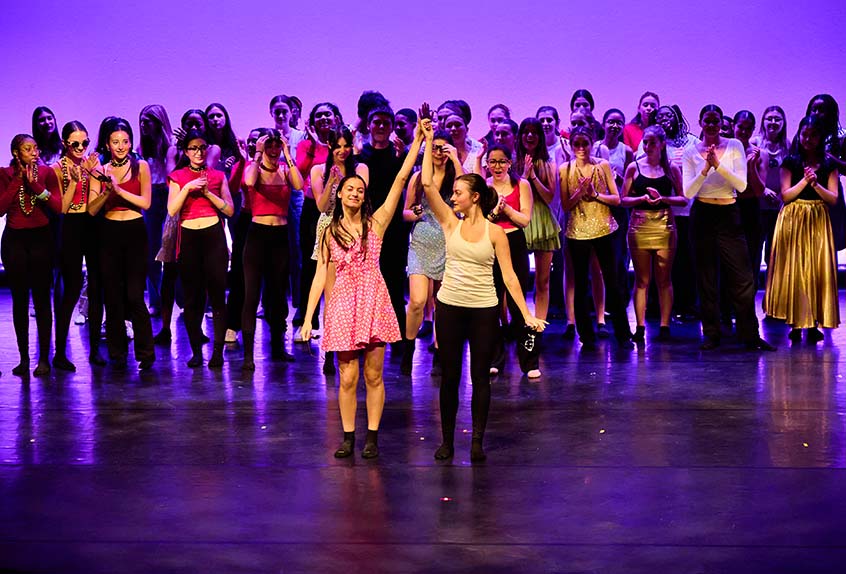
Today, Oasis Night continues to be recognized by students more as a social event than a philanthropic one, bringing together students, faculty, alumni and families. The event typically occurs mid-January, as it “marks the middle of the academic calendar…an opportunity for everybody to come together and celebrate being here at Poly,” said Winston. There are food trucks and merch, resulting in an event that “has become more so something of a winter homecoming,” said Winston.
Despite the shift, however, Poly remains open to reintroducing the Oasis Society into Oasis Night. “I’m always thinking about ways to get the Oasis Society back involved in Oasis Night, though it is a little more difficult now, given the transformed nature of Oasis Night,” reflected Winston.